How Loud Is...? Complete Noise Guide
Explore 100+ noise level guides — from whispers to jet engines. Every sound measured in decibels with safety ratings and expert explanations.
Measure Your Noise LevelThe Seven Decibel Level Guides
Start here: each level guide covers a different part of the scale, from night-time quiet to impulse noise.
🔊 How Loud Is X Decibels?
Every decibel level explained — from whisper-quiet to ear-splitting.

How Loud Is 40 Decibels? (Real Examples + Comparison)
40 dB sounds like quiet library. Learn what 40 dB really sounds like, whether it is safe, and how it compares to other everyday sounds.

How Loud Is 60 Decibels? (Real Examples + Comparison)
60 dB sounds like normal conversation. Learn what 60 dB really sounds like, whether it is safe, and how it compares to other everyday sounds.
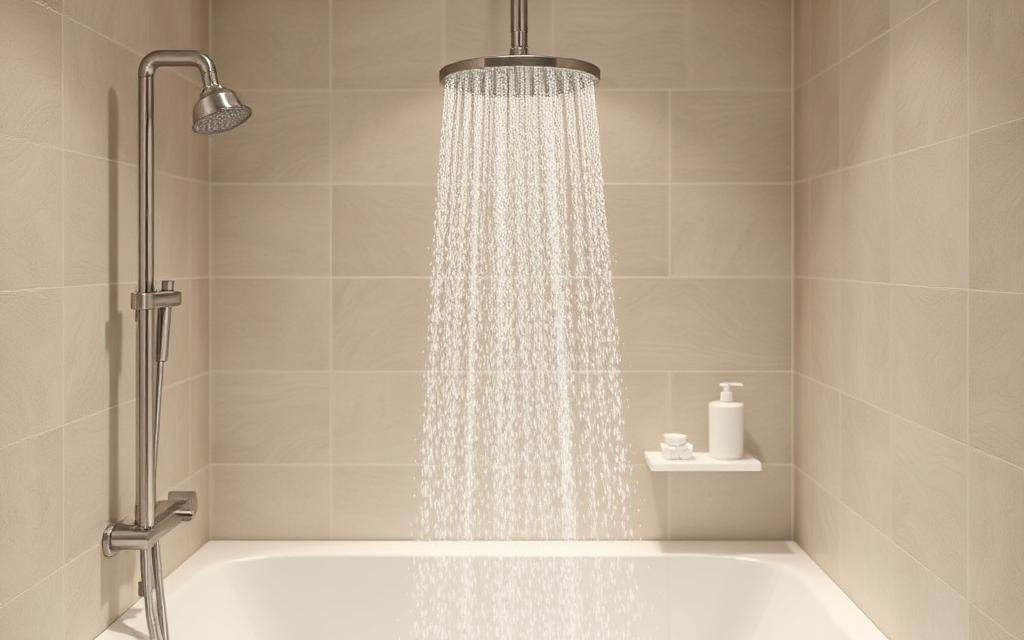
How Loud Is 70 Decibels? (Real Examples + Comparison)
70 dB sounds like running shower. Learn what 70 dB really sounds like, whether it is safe, and how it compares to other everyday sounds.
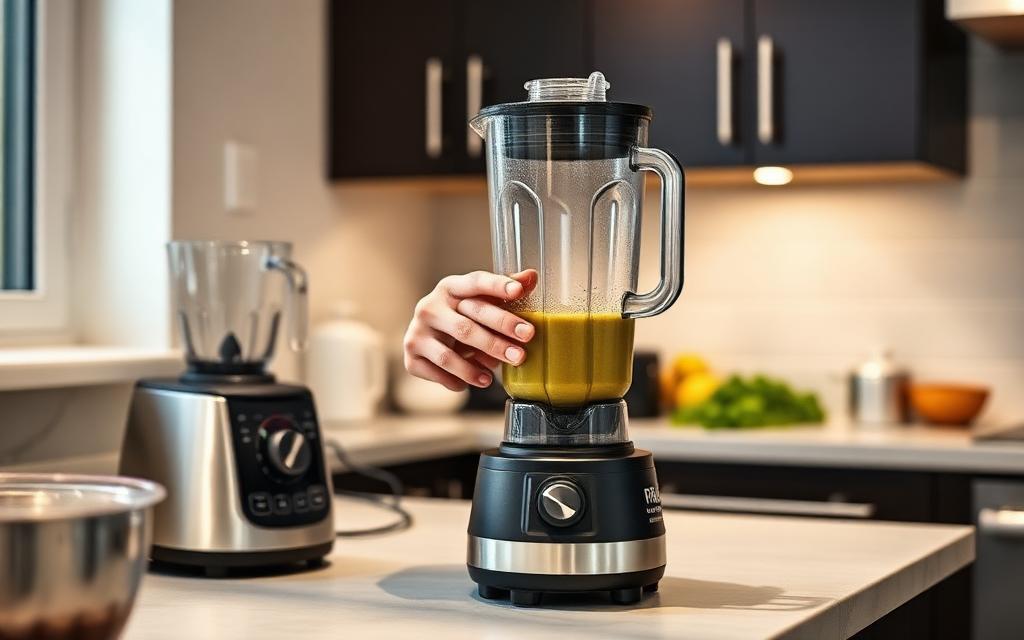
How Loud Is 85 Decibels? (Real Examples + Comparison)
85 dB sounds like blender or food processor. Learn what 85 dB really sounds like, whether it is safe, and how it compares to other everyday sounds.
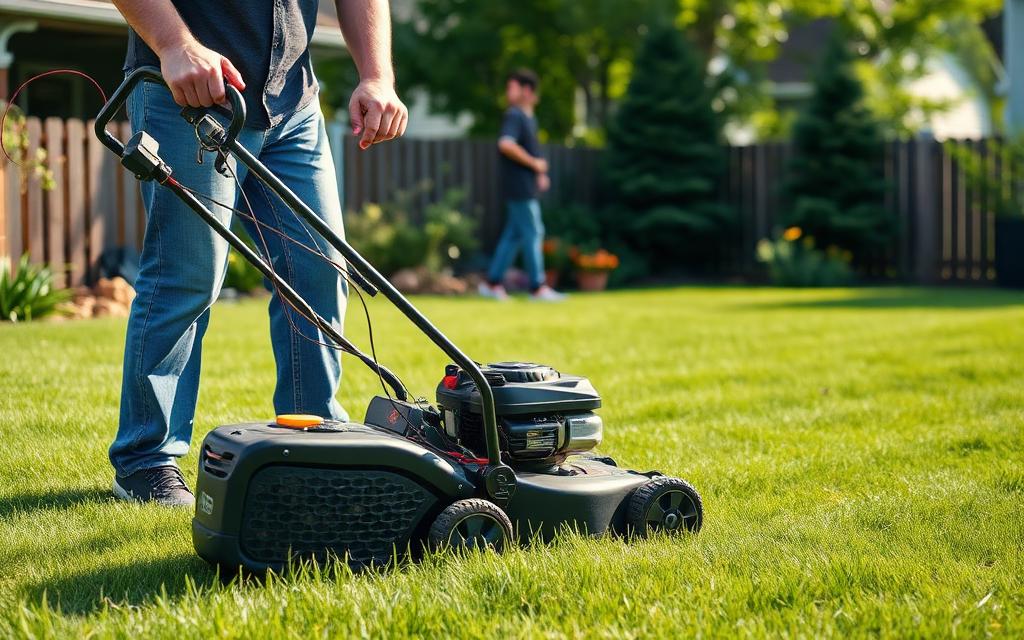
How Loud Is 90 Decibels? (Real Examples + Comparison)
90 dB sounds like gas-powered lawn mower. Learn what 90 dB really sounds like, whether it is safe, and how it compares to other everyday sounds.

How Loud Is 100 Decibels? (Real Examples + Comparison)
100 dB sounds like nightclub or loud concert. Learn what 100 dB really sounds like, whether it is safe, and how it compares to other everyday sounds.

How Loud Is 120 Decibels? (Real Examples + Comparison)
120 dB sounds like ambulance siren nearby. Learn what 120 dB really sounds like, whether it is safe, and how it compares to other everyday sounds.
❓ Decibel Questions
Common noise safety questions answered.
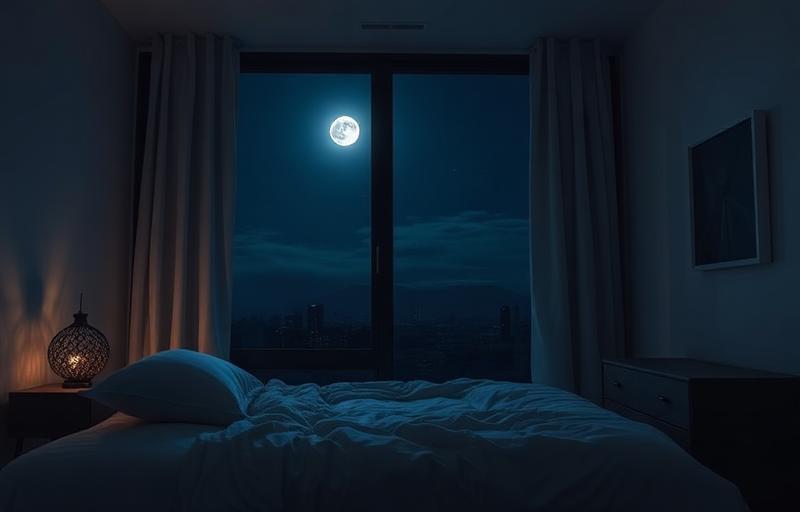 30 dB
30 dBWhat Does 30 dB Sound Like? The Sound of Near-Silence
30 dB is whisper-quiet — the sound of a ticking clock, soft breathing, or rustling leaves. It's the ideal level for sleep.
 40 dB
40 dBWhat Does 40 dB Sound Like? A Calm, Quiet World
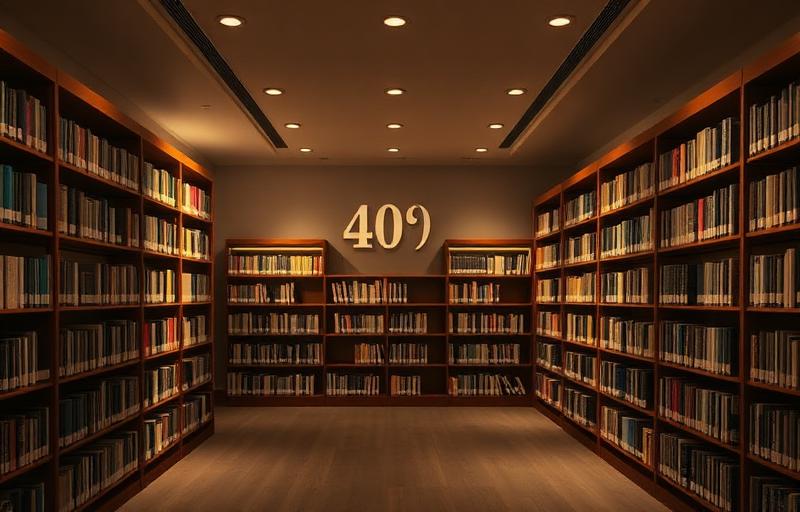
40 dB is the sound of a quiet library, gentle humming, or a peaceful garden. Barely there, perfectly safe, and ideal for focus.
 40 dB
40 dBIs 40 dB Loud? Understanding Quiet Sound Levels
40 dB is a quiet, comfortable sound level — similar to a library, light rainfall, or a quiet residential area at night.
 50 dB
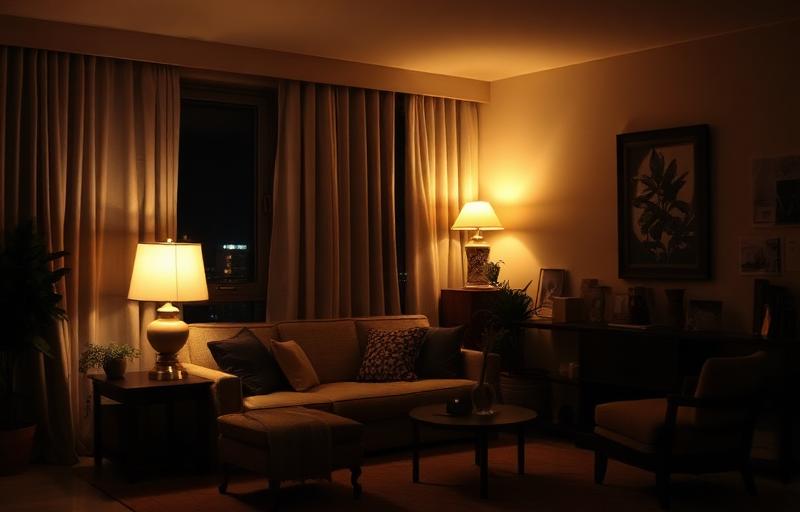
50 dBIs 50 dB Loud? What 50 Decibels Really Sounds Like
50 dB is the sound of a quiet conversation or light rain — not loud at all. Here's what it sounds like and how it compares.
 50 dB
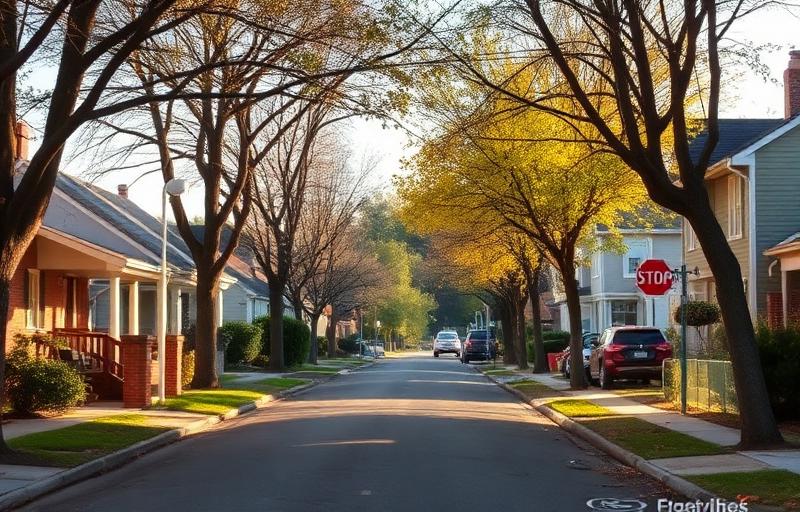
50 dBWhat Does 50 dB Sound Like? Quiet but Present
50 dB is the gentle background of a quiet home or light rain — present but unobtrusive. Here's exactly what it sounds and feels like.
 60 dB
60 dBWhat Does 60 dB Sound Like? The Sound of Normal Life
60 dB is the soundtrack of everyday life — a normal conversation, your AC humming, or background office chatter. Completely safe and perfectly familiar.
 60 dB
60 dBIs 60 dB Loud? Understanding Normal Conversation Volume
60 dB is the volume of normal conversation — not loud at all. It's the acoustic baseline of everyday life and completely safe for hearing.
 65 dB
65 dBIs 65 dB Loud? Normal Conversation Level Explained
65 dB is roughly the volume of a normal conversation or laughter — noticeable but completely safe for your hearing.
 70 dB
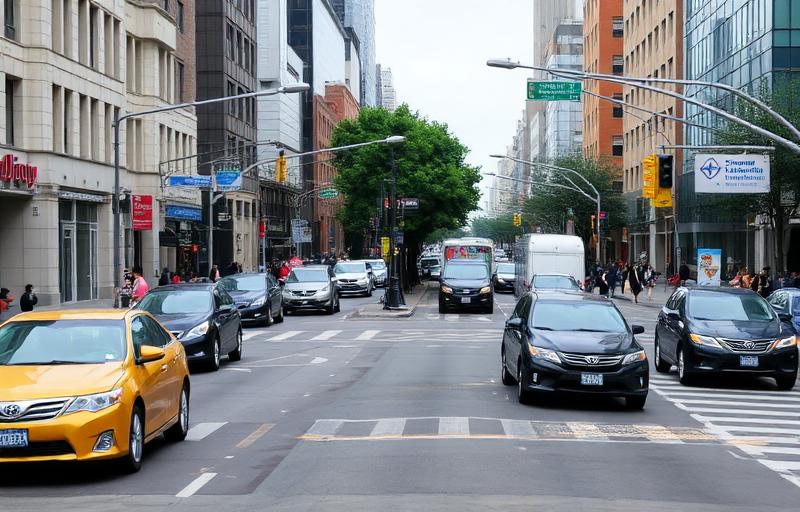
70 dBIs 70 dB Loud? Understanding This Common Noise Level
70 dB is the sound of a running shower or a busy café. Not dangerous, but noticeably present. Here's the full picture.
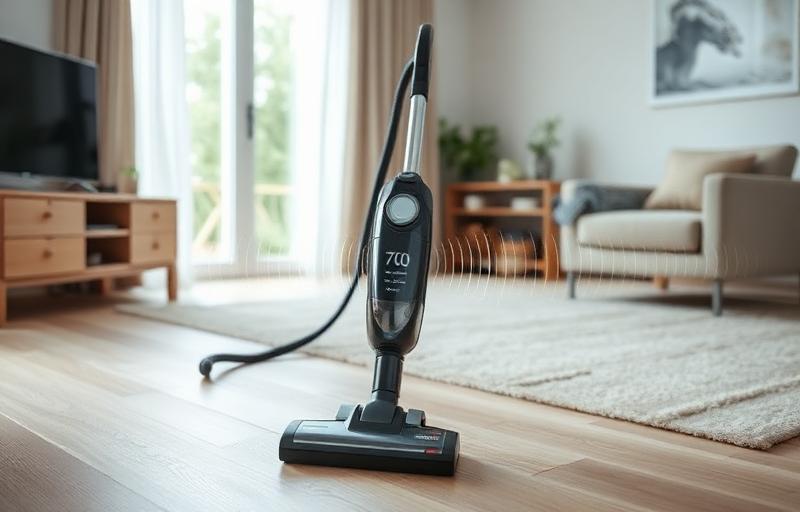 70 dB
70 dBWhat Does 70 dB Sound Like? Everyday Moderate Noise
70 dB sounds like a vacuum cleaner, a running shower, or busy street traffic — clearly audible and the upper limit of safe unlimited exposure.
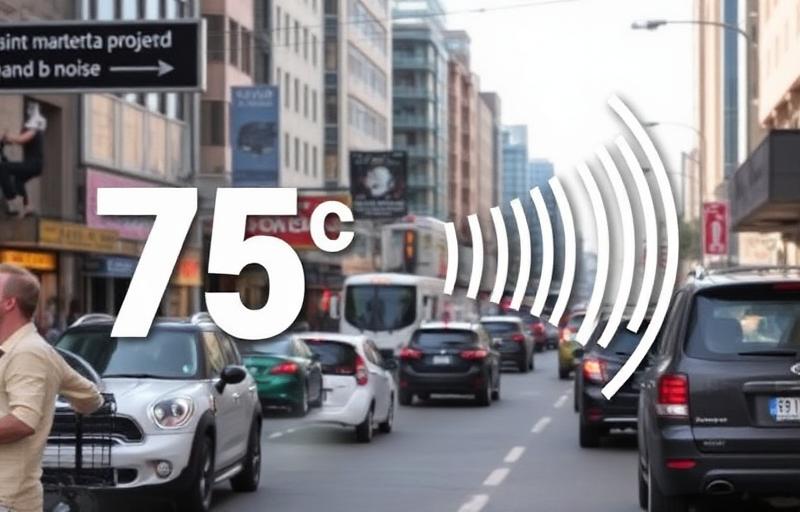 75 dB
75 dBIs 75 dB Loud? When Noise Gets Uncomfortable
75 dB is noticeably loud — comparable to a vacuum cleaner, busy traffic, or a noisy restaurant. Safe for hearing, but can be annoying.
 80 dB
80 dBIs 80 dB Loud? When Noise Starts Getting Serious
80 dB is genuinely loud — think alarm clock or busy traffic. It's approaching the danger zone. Here's what you need to know.
 80 dB
80 dBWhat Does 80 dB Sound Like? The Edge of Caution
80 dB is the alarm clock that wakes you, the garbage disposal that fills the kitchen, and the traffic that demands closed windows. It's louder than you think.
 85 dB
85 dBIs 85 dB Dangerous? The Critical Hearing Damage Threshold
85 dB is where hearing damage begins. It's the most important number in noise safety — and most people have no idea they're exposed to it daily.
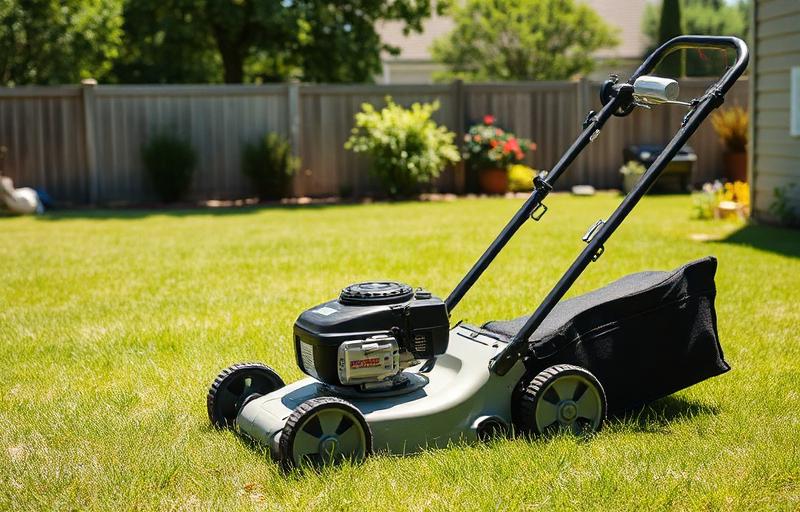 90 dB
90 dBWhat Does 90 dB Sound Like? Entering the Danger Zone
90 dB is the noise of a lawn mower, food blender, or subway train. It's loud, attention-grabbing, and can damage hearing within 2 hours.
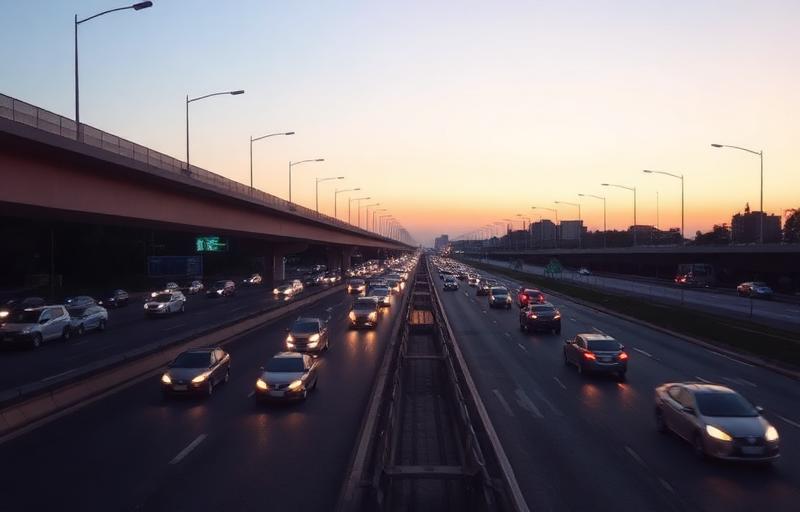 90 dB
90 dBIs 90 dB Dangerous? Exposure Limits & Real-World Risks
90 dB is dangerous — your hearing can only handle 2 hours of exposure. Lawn mowers, motorcycles, and subways all hit this level.
 95 dB
95 dBIs 95 dB Dangerous? Hearing Damage Timeline Explained
95 dB is dangerous with prolonged exposure — hearing damage can occur in less than 50 minutes without hearing protection.
 100 dB
What Does 100 dB Sound Like? Seriously Loud Territory
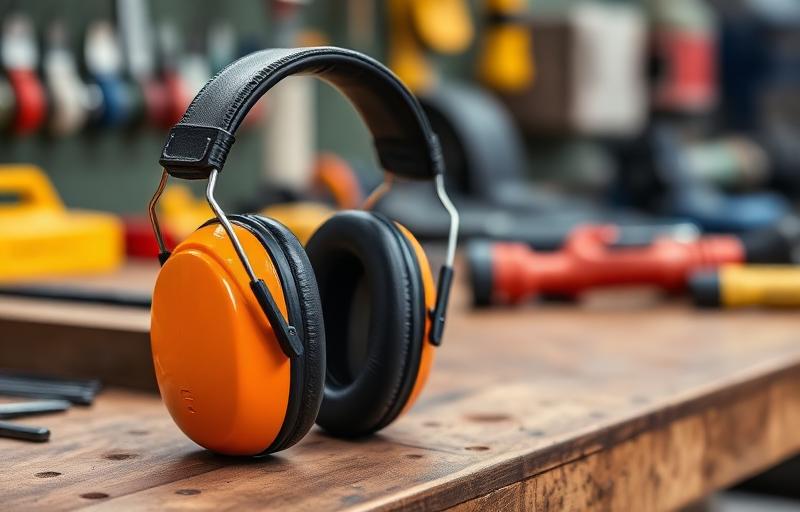
100 dB is the volume of a nightclub, power saw, or approaching train. It can damage hearing in just 15 minutes. Here's what you need to know.
 100 dB
Is 100 dB Dangerous? The 15-Minute Warning
100 dB gives you just 15 minutes of safe exposure. Nightclubs, power tools, and live music all exceed this level. Here's the full danger picture.
 110 dB
What Does 110 dB Sound Like? The Edge of Pain
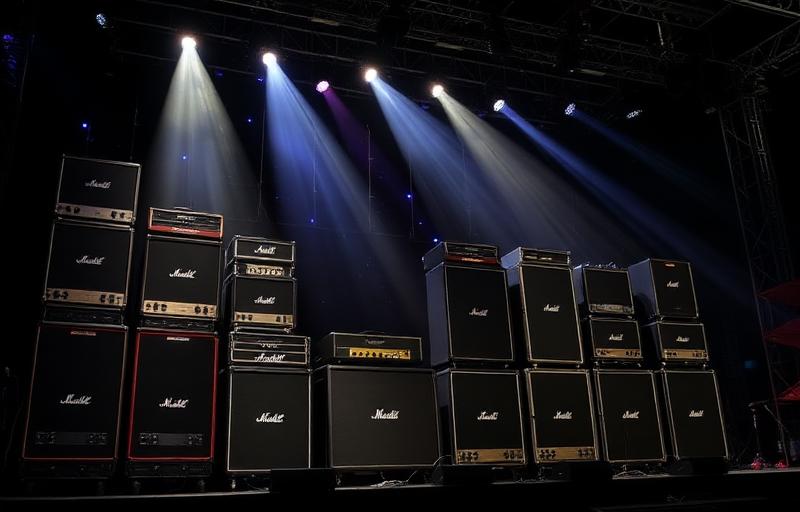
110 dB is the roar of a rock concert front row or a chainsaw at close range. It can damage hearing in under 2 minutes. Here's the reality.
 110 dB
Is 110 dB Dangerous? Extreme Noise & Instant Hearing Risk
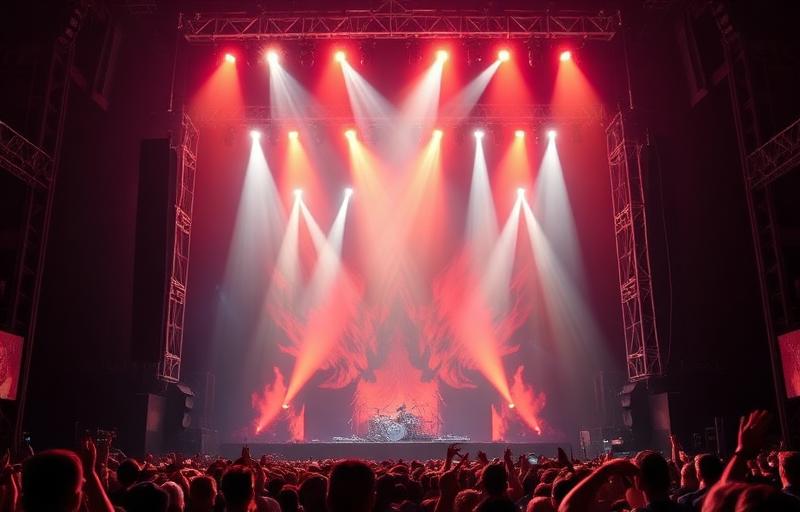
110 dB is extremely dangerous — hearing damage can occur in less than 2 minutes. This is concert-level noise near speakers.
 120 dB
Is 120 dB Dangerous? The Pain Threshold Explained
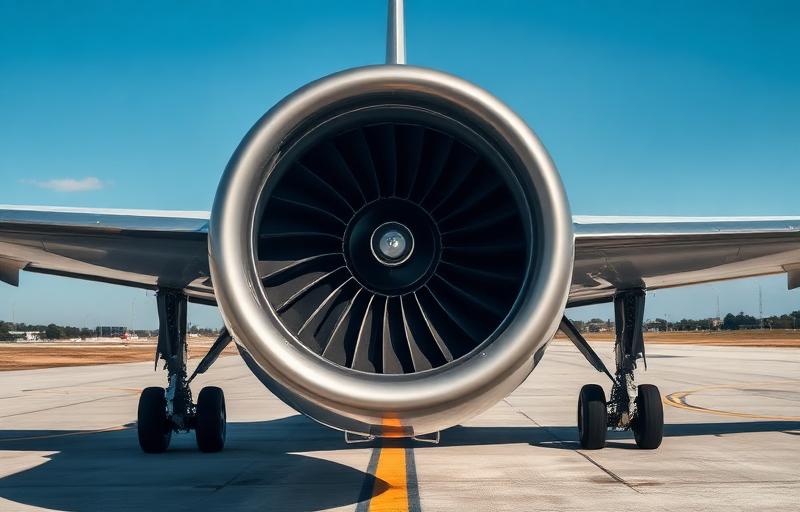
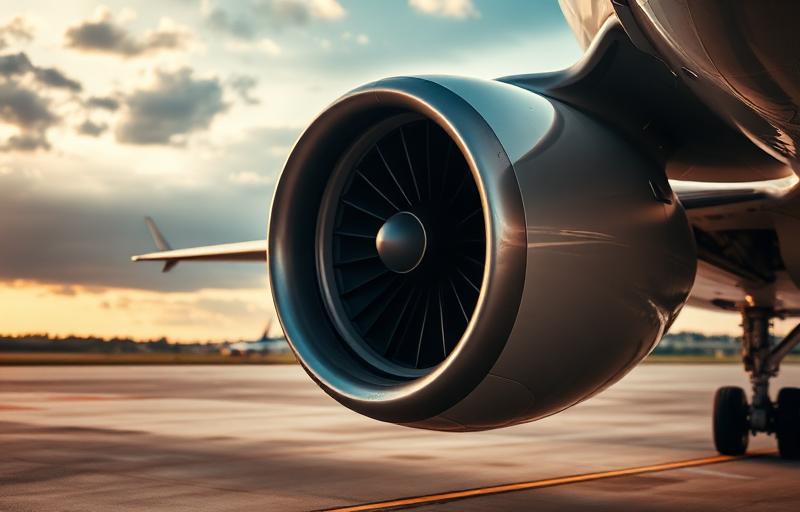
120 dB is the threshold of pain. Even a few seconds can cause permanent hearing damage. Sirens, jet engines, and gunshots reach this territory.
 120 dB
What Does 120 dB Sound Like? The Pain Threshold
120 dB is the pain threshold — it physically hurts your ears. Think jet engine, emergency siren at close range, or a thunderclap directly overhead.

What Are Safe Decibel Levels? The Complete Safety Guide
Below 70 dB is safe forever. Below 85 dB is safe for 8 hours. Above that, the clock starts. Here's the complete guide to safe noise levels.
🎵 Common Sounds & Their Decibel Levels
Real-world sounds measured — find out how loud everyday things really are.
 60 dB
60 dBHow Loud Is Normal Conversation? The 60 dB Baseline
Normal conversation registers 55–65 dB — the most important reference point on the entire noise scale. Here's why it matters.
 120 dB
dB Comparison Chart: 30, 60, 90 & 120 dB Explained
30 dB sounds like a quiet whisper. 60 dB is a normal conversation. 90 dB is a lawn mower. 120 dB is the threshold of pain. Learn what each level actually feels like.
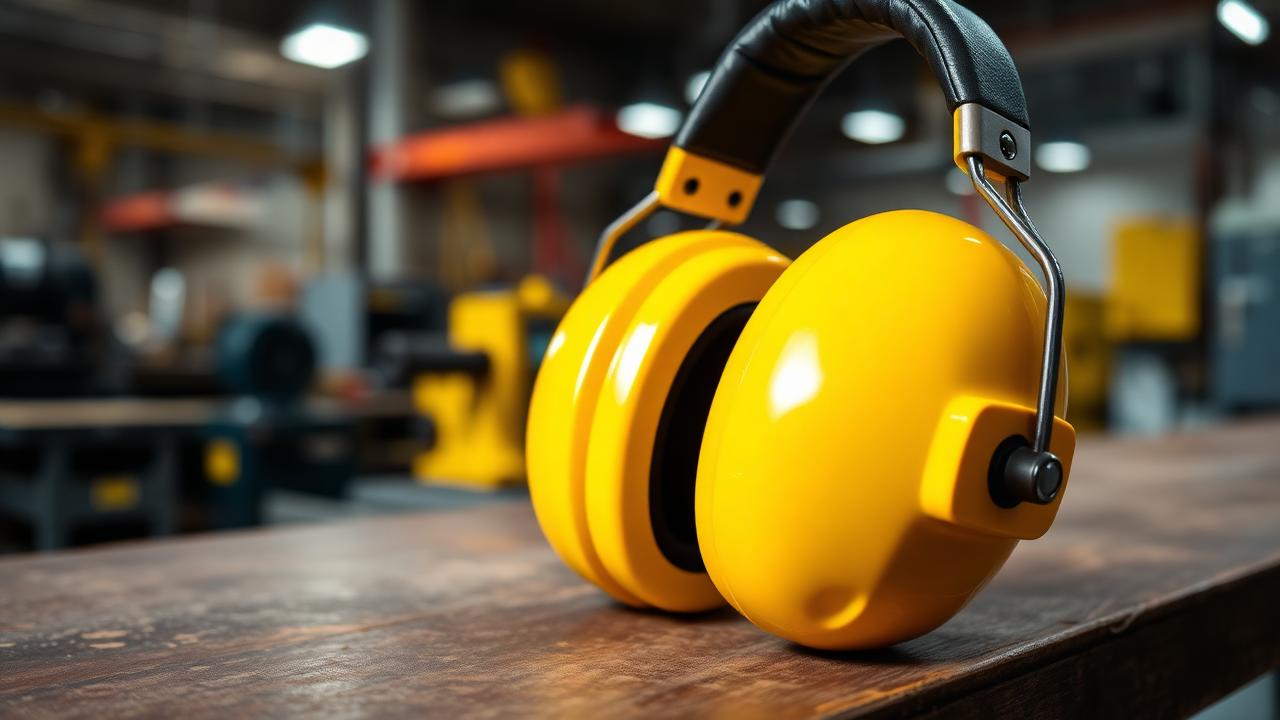
What Noise Level Is Safe for Humans?
Understand recommended noise exposure limits and how long you can safely be exposed to different sound levels without risking hearing damage.

Typical Noise Levels in Everyday Life
A comprehensive guide to common sound levels you encounter daily, from whispers to concerts, with practical decibel comparisons.
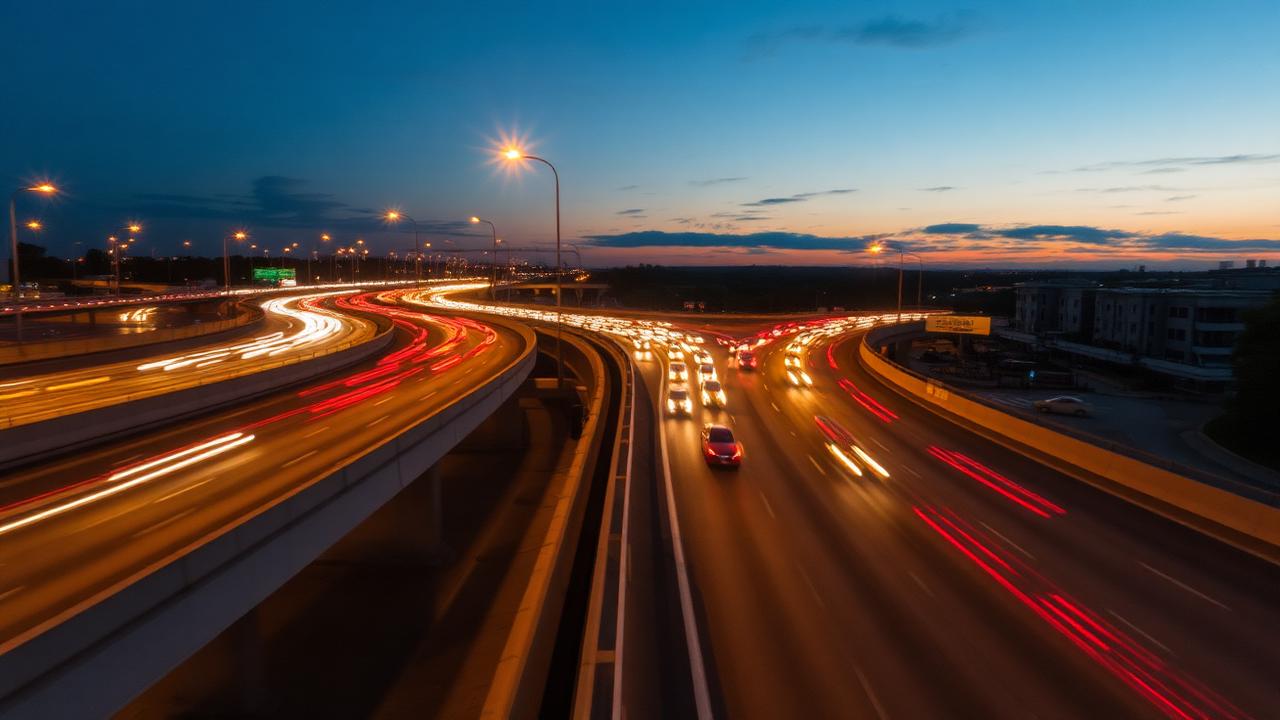
How Loud Is Traffic Noise?
Explore typical traffic noise levels and understand how road noise affects your environment, health, and quality of life.

How Loud Is Construction Noise?
Learn about typical construction site noise levels, when hearing protection becomes necessary, and how nearby residents are affected.
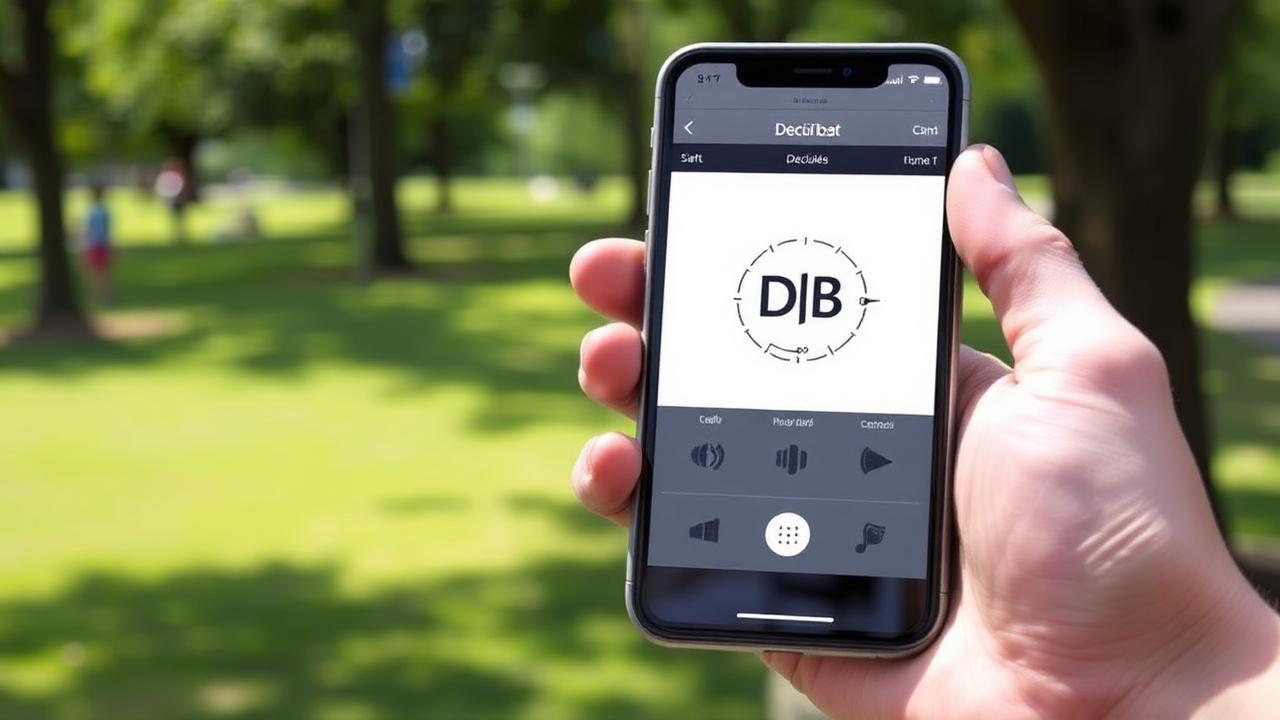
How Accurate Are Phone Noise Meters?
Find out how smartphone sound meter apps work, their accuracy compared to professional meters, and when they're practical for everyday use.
What Noise Level Is Too Loud for Sleep?
Find out the recommended noise levels for healthy sleep and how environmental noise affects rest quality, plus practical tips for a quieter bedroom.
How to Measure Environmental Noise Outdoors
Tips and best practices for using a phone-based noise meter to measure sound levels accurately in outdoor environments.
Can Your Phone Measure Decibels?
Everything you need to know about using your smartphone to measure decibels — from how it works to what you can realistically expect.

How Loud Is a Concert or Festival?
Learn about typical noise levels at concerts and music festivals, understand the hearing risks, and discover how to enjoy live music safely.
How Loud Is a Vacuum Cleaner? Decibel Levels Explained
Vacuum cleaners are one of the loudest common household appliances, typically producing 70–80 dB. Here's what that means for your hearing.

How Loud Is a Dog Bark? Decibel Levels Explained
Dog barking ranges from 80–90 dB — louder than most people expect. Learn which breeds bark loudest and how it affects hearing.
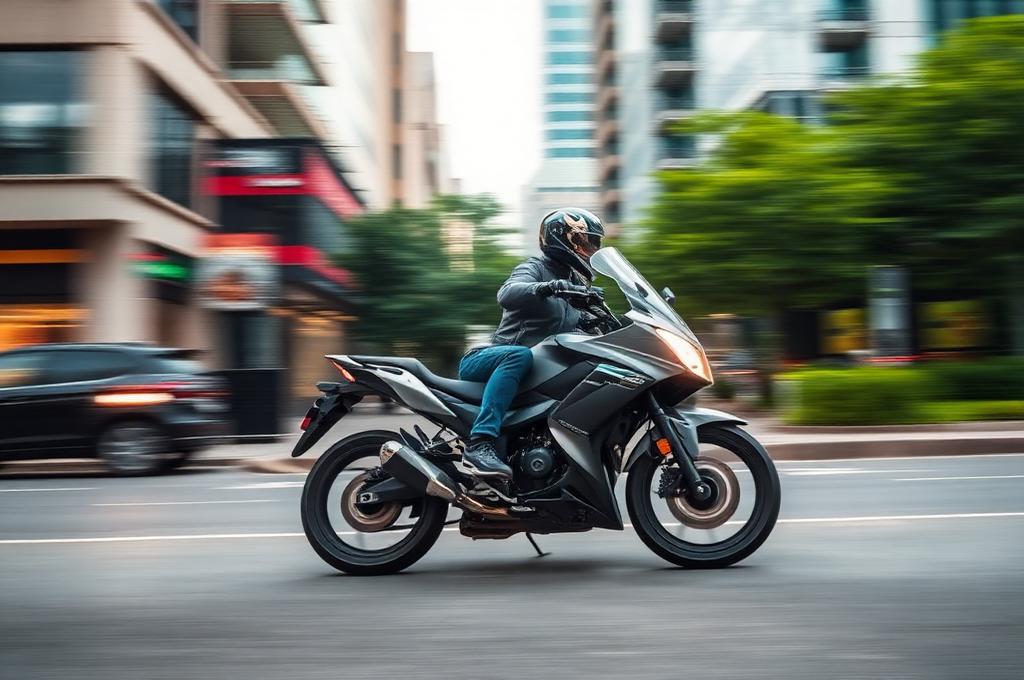
How Loud Is a Motorcycle? Decibel Levels Explained
Motorcycles produce 80–100 dB at close range — louder than a car and potentially harmful to hearing. Here's what you need to know.
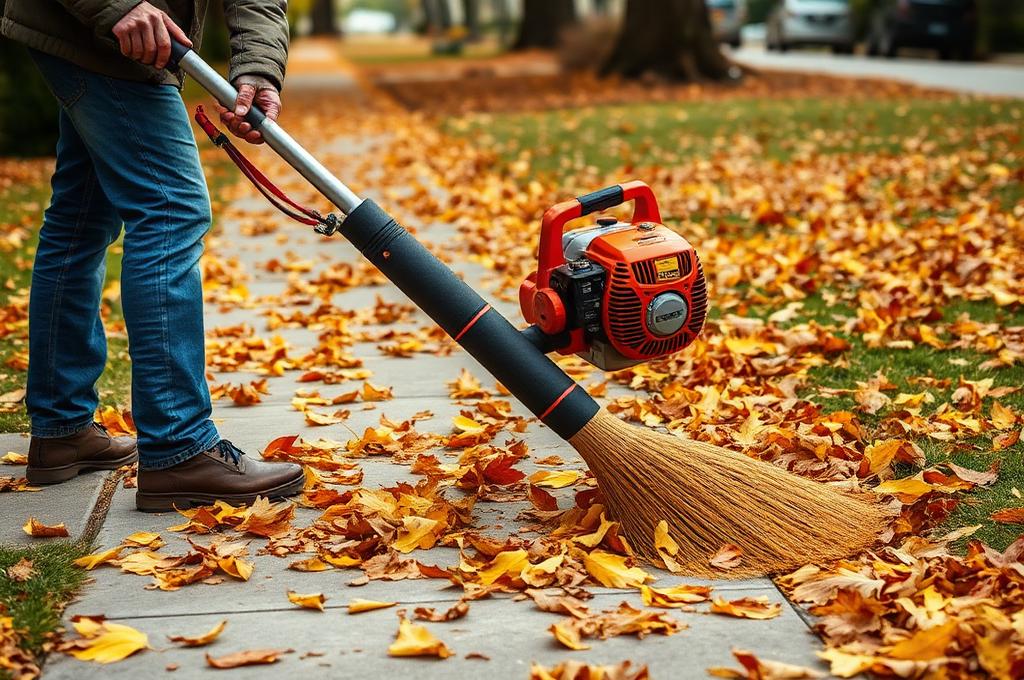
How Loud Is a Leaf Blower? Decibel Levels and Hearing Risks
Leaf blower noise depends entirely on who is listening. At the operator's ear a gas blower runs 95–105 dBA; a neighbour 15 metres away hears 65–75 dBA. Here are the numbers, distance by distance.
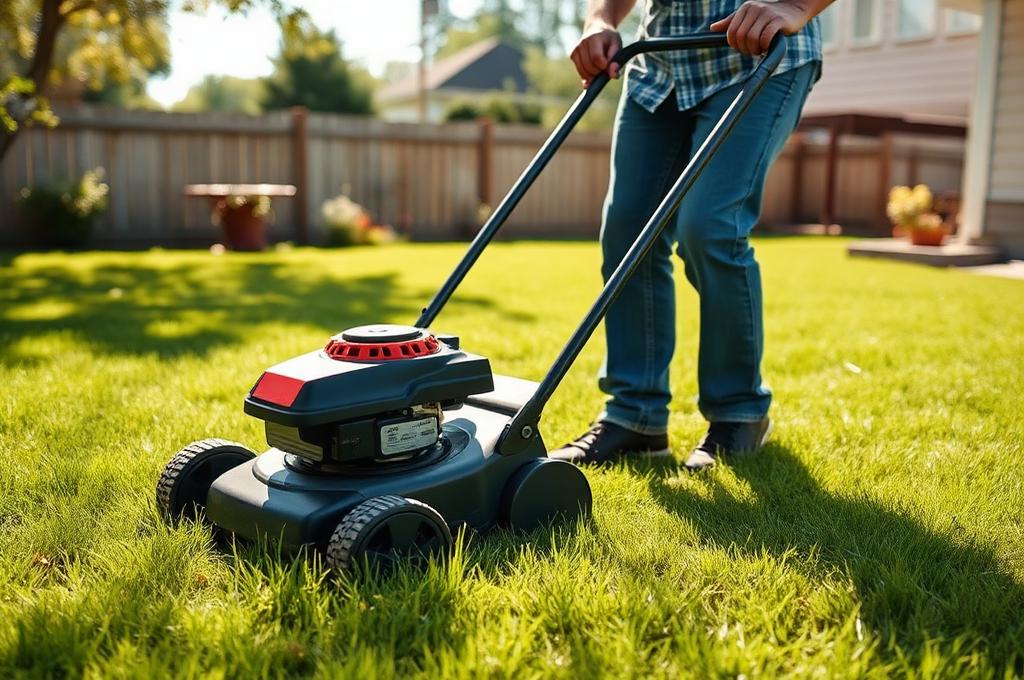
How Loud Is a Lawn Mower? Decibel Levels by Mower Type
Lawn mowers produce anywhere from 55 dB (manual reel) to 100 dB (commercial zero-turn). We break down the exact decibel range for every mower type — and what it means for your hearing.
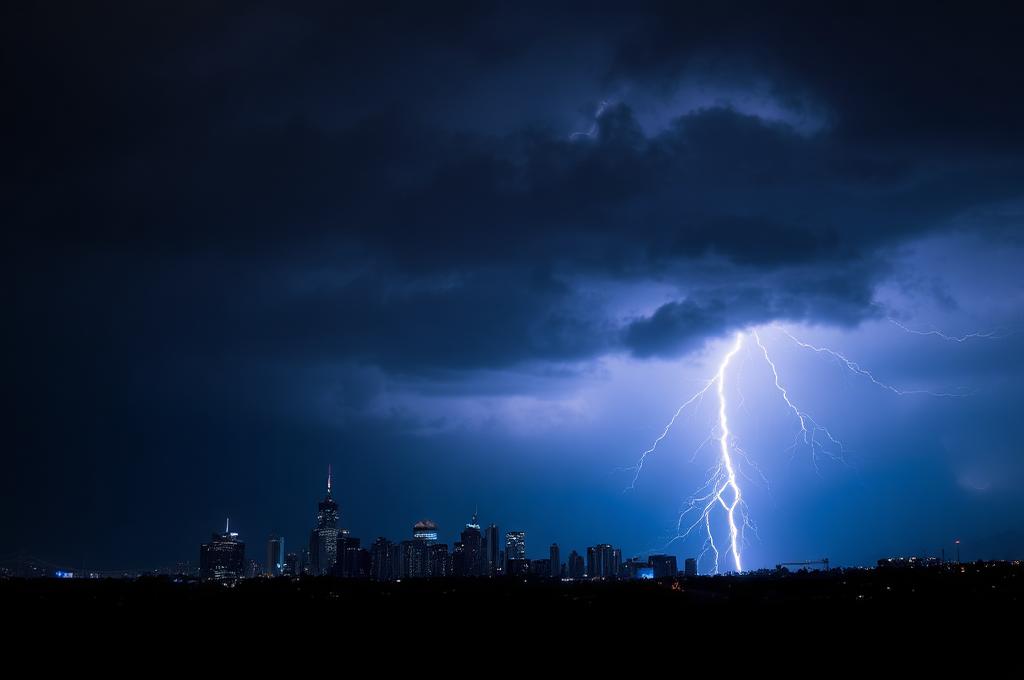
How Loud Is Thunder? Decibel Levels of Thunderstorms
Thunder has no single decibel value — it is defined by your distance from the lightning channel. From 180 dB at the source to 55 dB ten miles out, here is the full distance curve.
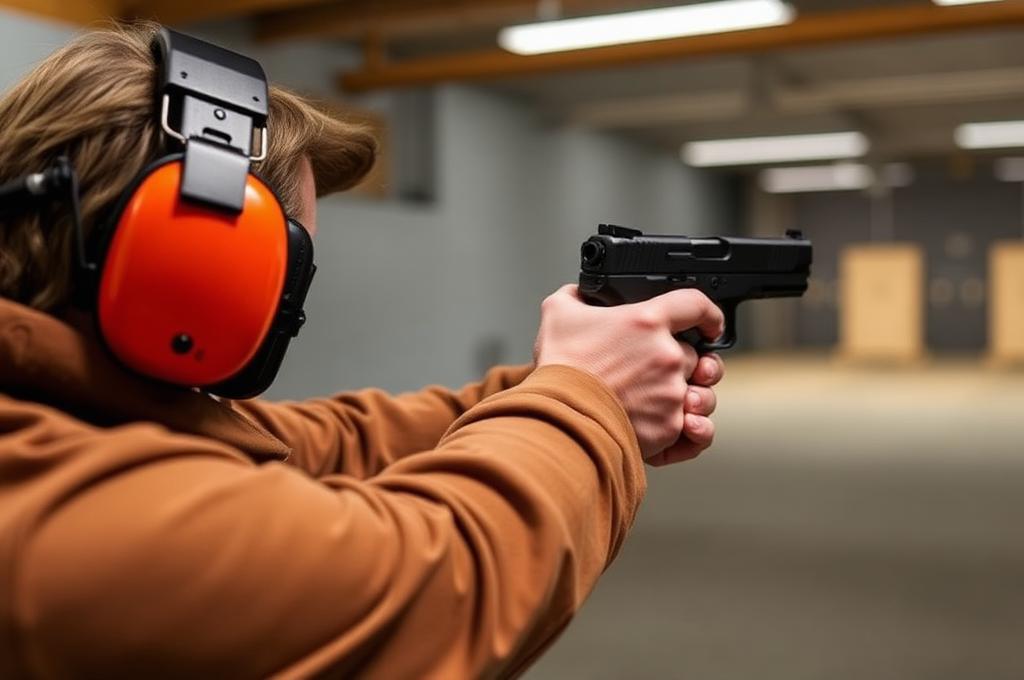
How Loud Is a Gunshot? — Decibel Levels by Firearm Type
Gunshots produce 140–175 dB — among the loudest sounds a person can encounter. Hearing damage is instant without protection.

How Loud Is a Baby Cry? — Decibel Levels of Infant Crying
A baby's cry can reach 100–110 dB at close range — louder than a lawn mower. Understanding these levels helps parents manage noise exposure.
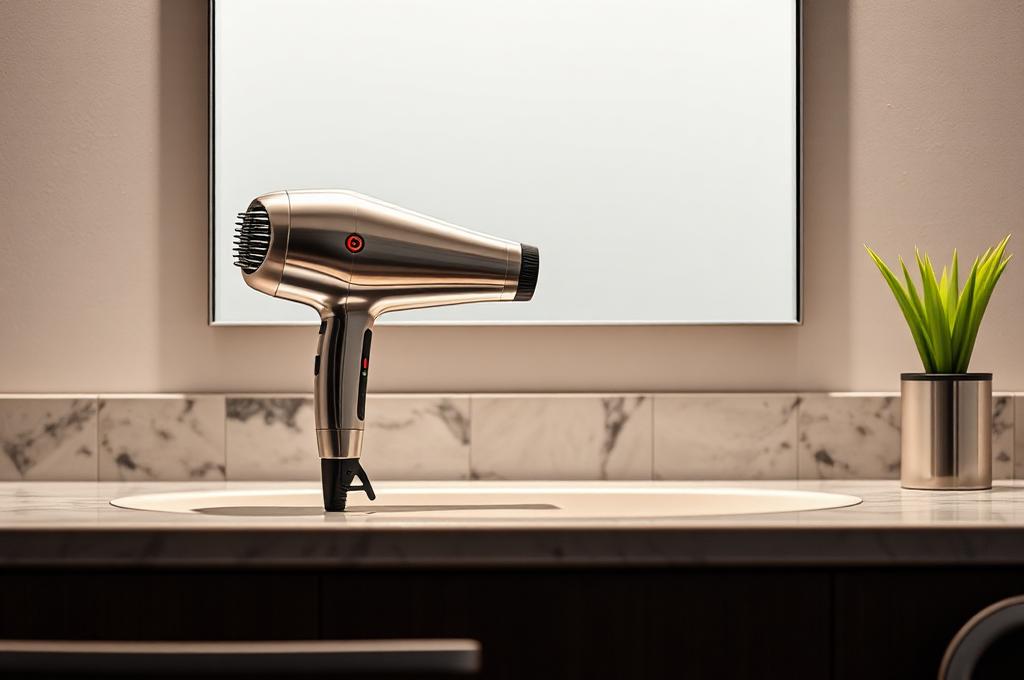
How Loud Is a Hair Dryer? Decibel Levels Explained
Hair dryers produce 70–95 dB — louder than you might think. Here's what that means for your hearing and daily noise exposure.
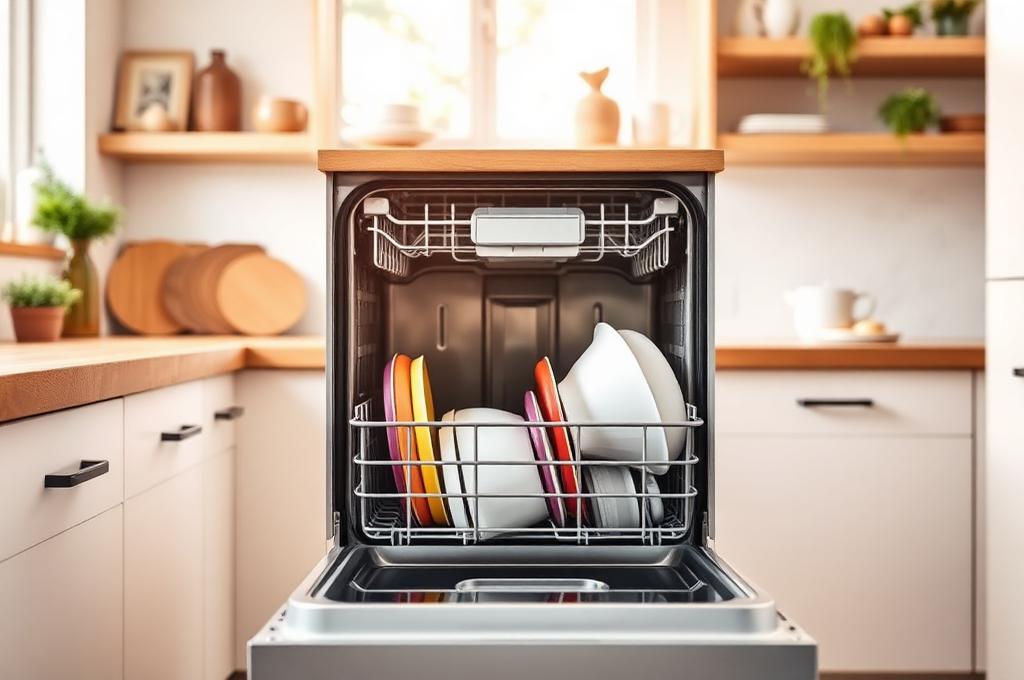
How Loud Is a Dishwasher? Decibel Levels Explained
Modern dishwashers produce 40–60 dB — quieter than many people think. Here's how to interpret dishwasher noise ratings.
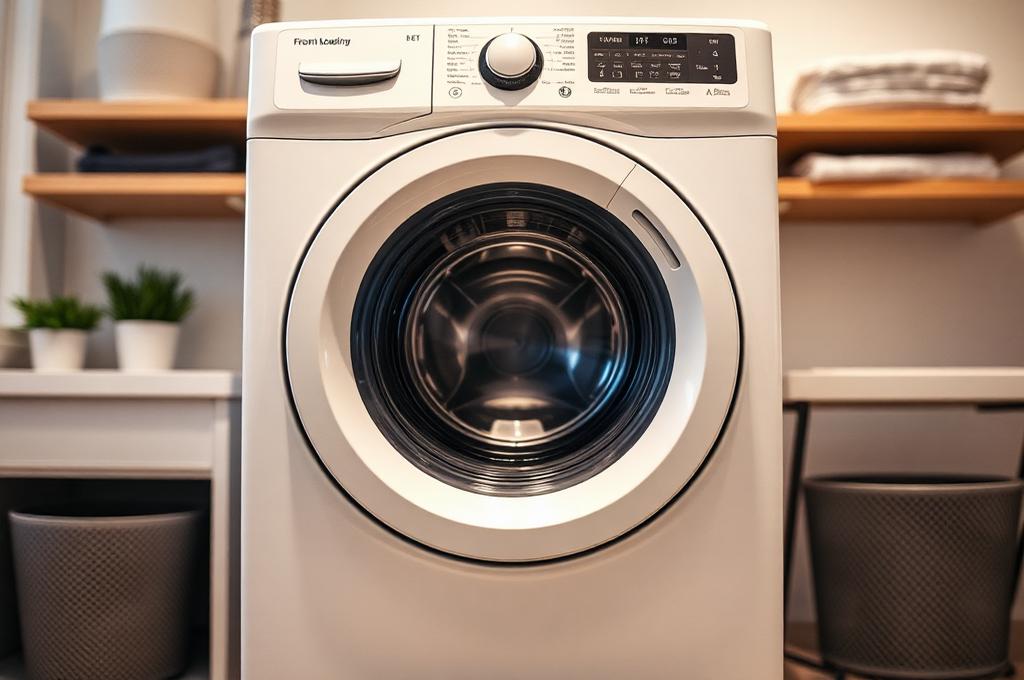
How Loud Is a Washing Machine? Decibel Levels Explained
Washing machines produce 50–75 dB, with the spin cycle creating the most noise. Here's what affects the volume and how to minimize it.
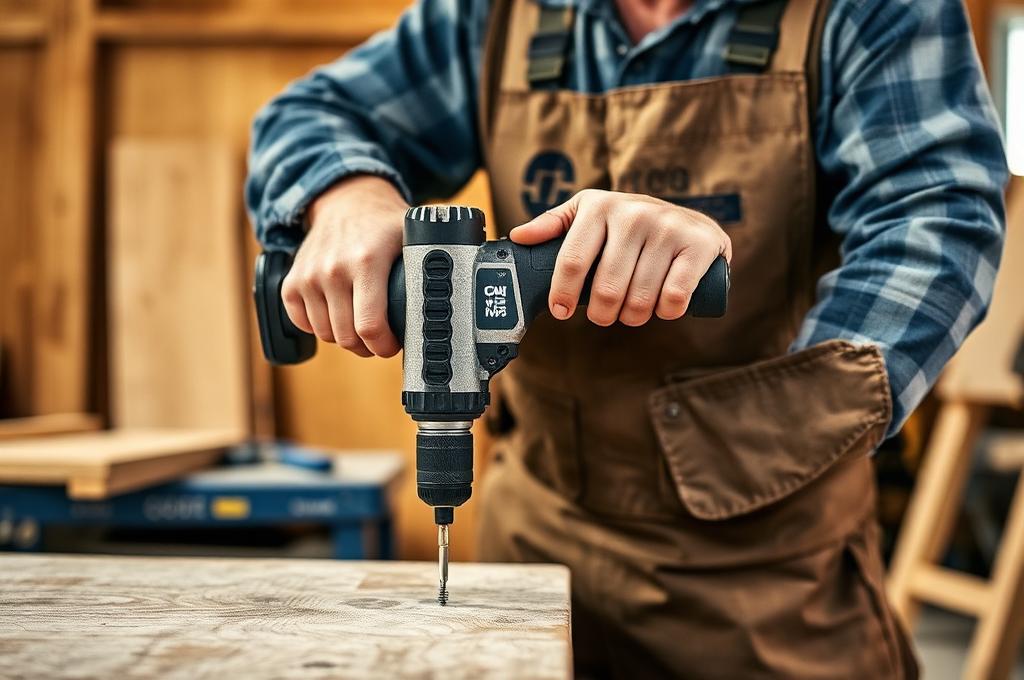
How Loud Is a Power Drill? Decibel Levels and Safety
Power drills produce 85–100 dB — firmly in the range where hearing protection is recommended. Here's what you need to know.
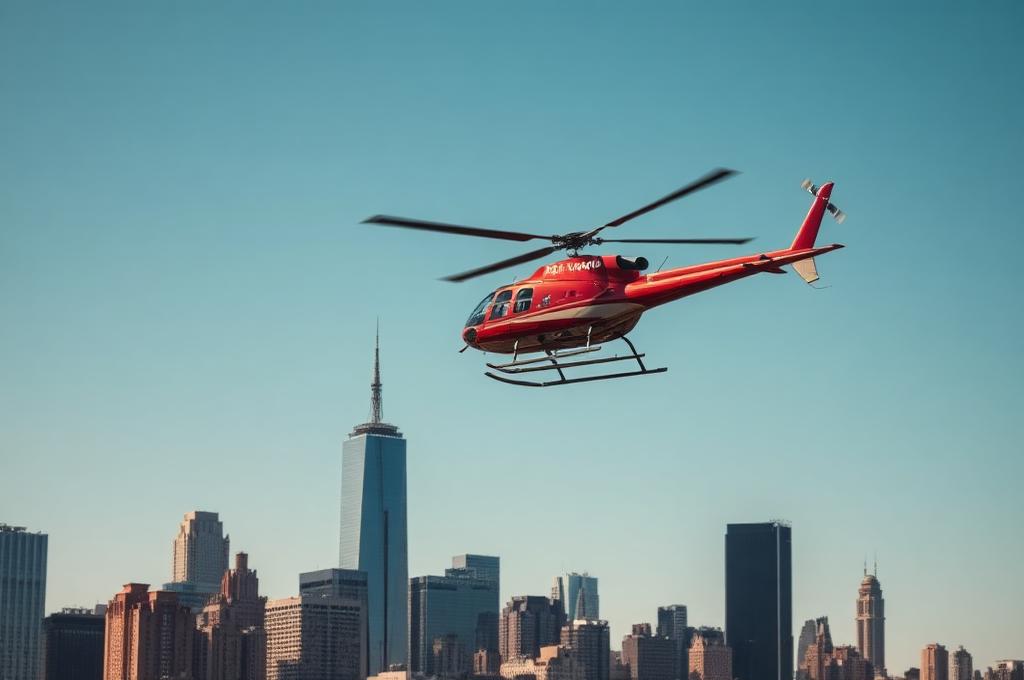
How Loud Is a Helicopter? dB Levels at Various Distances
Helicopter noise depends on altitude, hover versus flyover, and whether you are outside or inside. Here is the level at each altitude, plus why the rotor beat penetrates buildings so well.

How Loud Is a Subway Train? Decibel Levels Underground
Subway platforms reach 80–100 dB during train arrival — a daily noise exposure that most commuters overlook.

How Loud Is a School Classroom? Noise & Learning Impact
School classrooms typically reach 50–75 dB — well above the WHO recommended 35 dB for learning environments. Here's why classroom noise matters.

How Loud Is a Snoring? Decibel Levels Explained
Snoring ranges from a gentle 40 dB hum to an alarming 90+ dB roar. Here's what that means for sleep quality and hearing health.
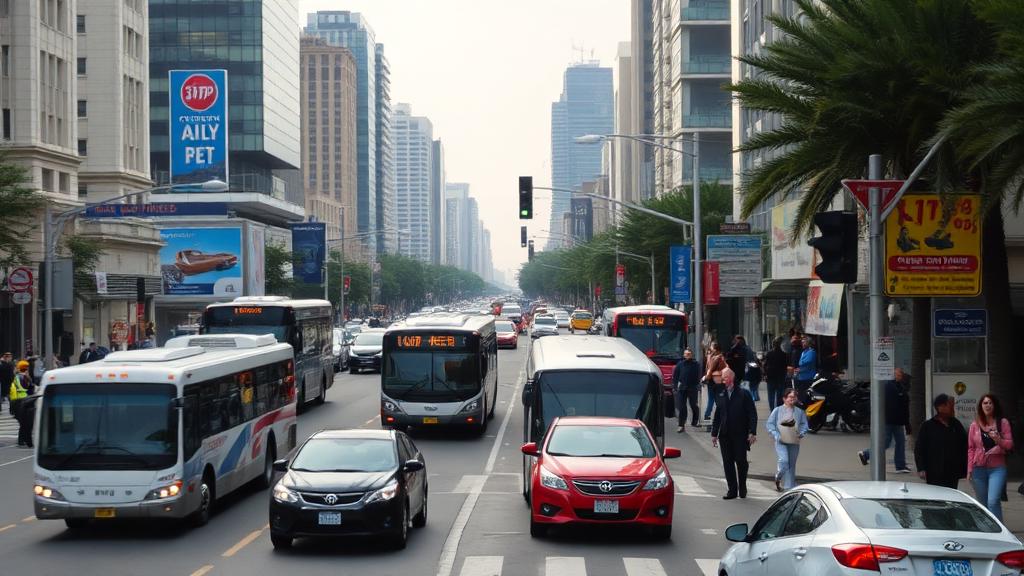
How Loud Is a Car? Interior & Exterior Noise Levels
Car noise varies dramatically — from a quiet 60 dB cabin to 80+ dB highway levels. Here's what you need to know about noise exposure while driving.

What Is a Dangerous Noise Level? (dB Explained Simply)
Any sound above 85 dB is considered dangerous with prolonged exposure. Learn what makes noise dangerous, with real-world examples and practical protection tips.

At What Decibel Level Does Hearing Damage Start?
Your inner ear has 15,000 hair cells that don't regenerate. Learn how noise destroys them, the types of hearing loss, warning signs to watch for, and when to see an audiologist.

How Long Can You Be Exposed to Loud Noise Safely?
At 85 dB, you can be safely exposed for up to 8 hours. For every 3 dB increase, the safe time is cut in half. Learn the guidelines and how to manage your daily noise dose.

Why Are Decibels Logarithmic? (Simple Explanation)
Decibels use a logarithmic scale because human hearing covers an enormous range. A linear scale would need numbers in the trillions. Here's why that matters for your hearing.
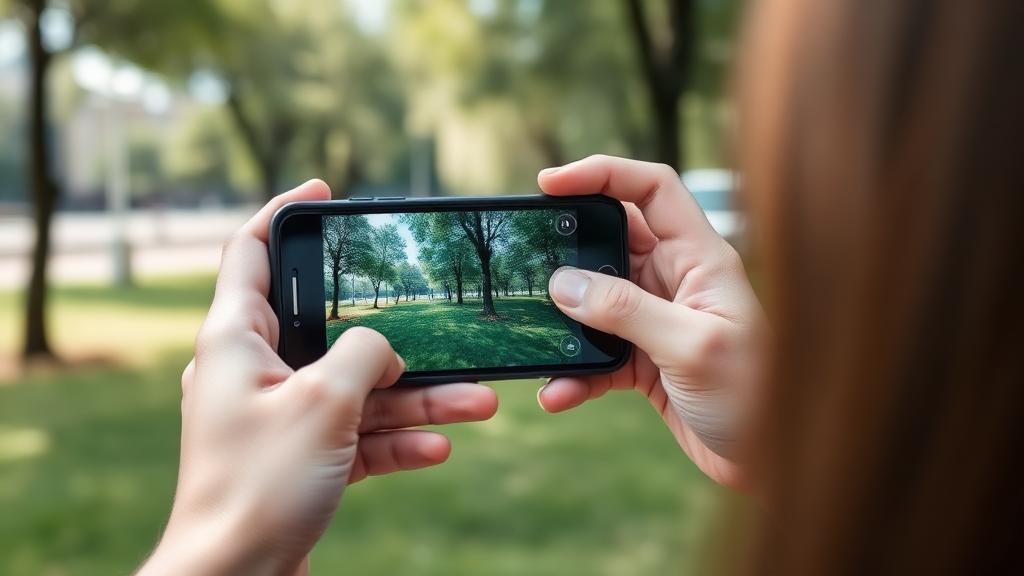
How Accurate Are Phone Decibel Meters?
Phone-based decibel meters provide surprisingly useful estimates. Here's how accurate they really are and how to get better results.
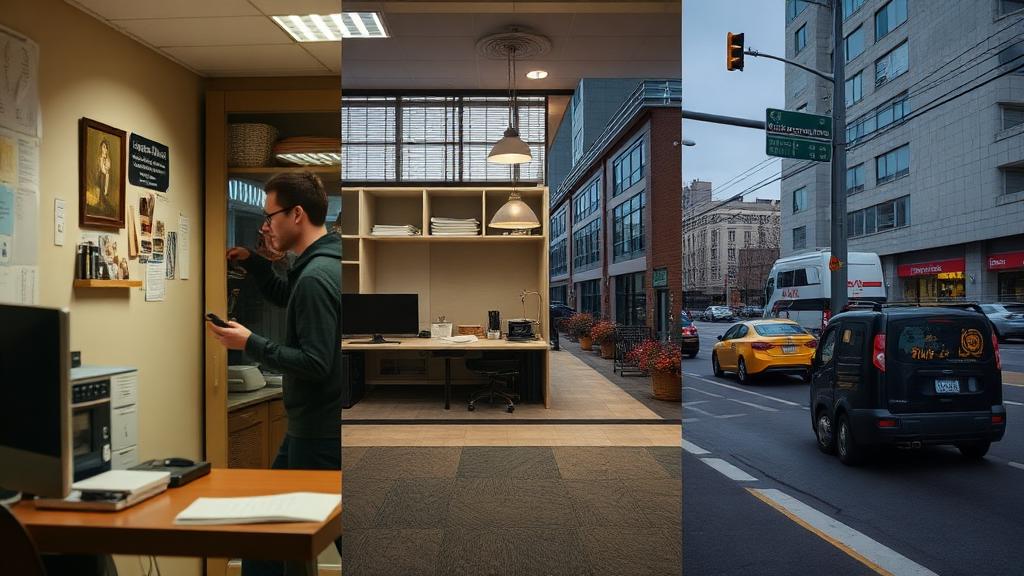
Noise Levels in Everyday Life: A Complete Guide
Your daily routine exposes you to a surprising range of noise levels. This guide maps every common sound from morning alarm to evening TV.
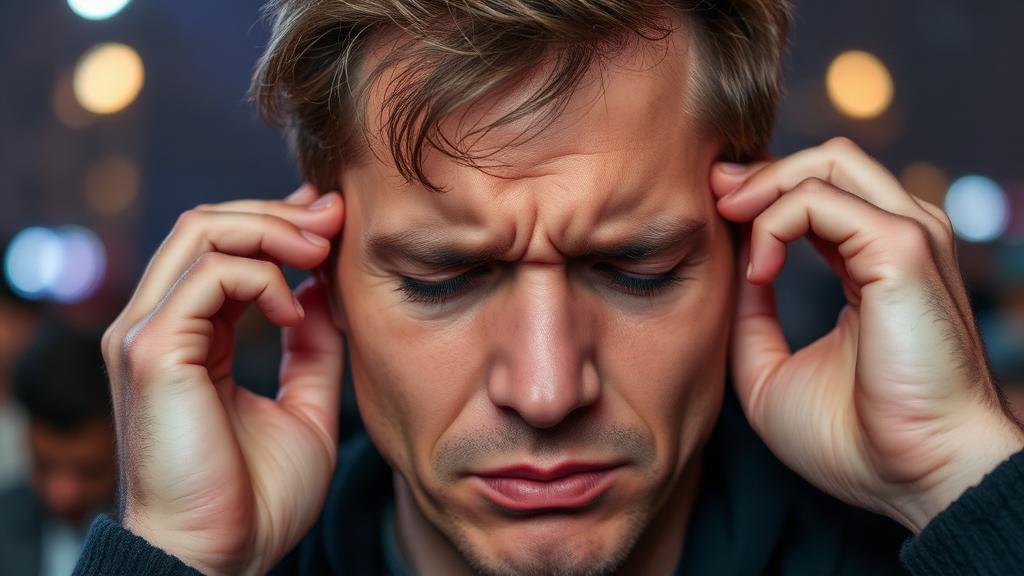
When Does Sound Become Dangerous?
The line between safe and dangerous sound is clearer than you think. Here are the exact thresholds, time limits, and warning signs.
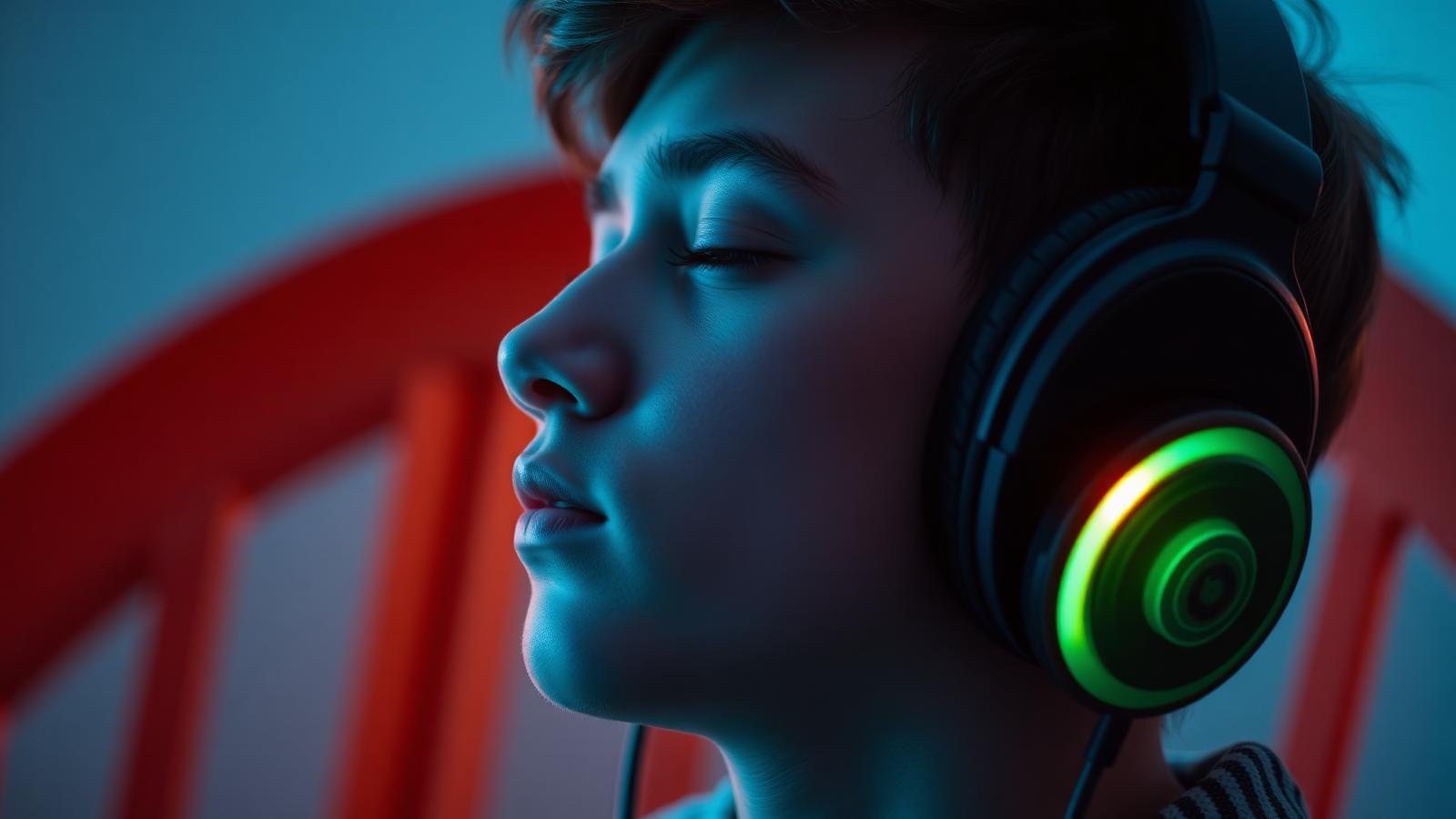
High-Frequency Hearing Test: The Mosquito Tone (Play It Now)
An interactive high-frequency hearing test you can run right now — including the 17.4 kHz "mosquito tone" most adults over 25 can't hear. Learn what your hearing age says about presbycusis.

How Loud Are Fireworks? (Decibel Levels + Safety)
Fireworks can reach 140–175 dB at the launch point. Learn what that means for your hearing and how to enjoy them safely.

How Loud Is a Chainsaw? (Decibel Levels & Hearing Risk)
Chainsaws produce 100–120 dB at the operator's ear. Here is what that means for your hearing and how to protect yourself.
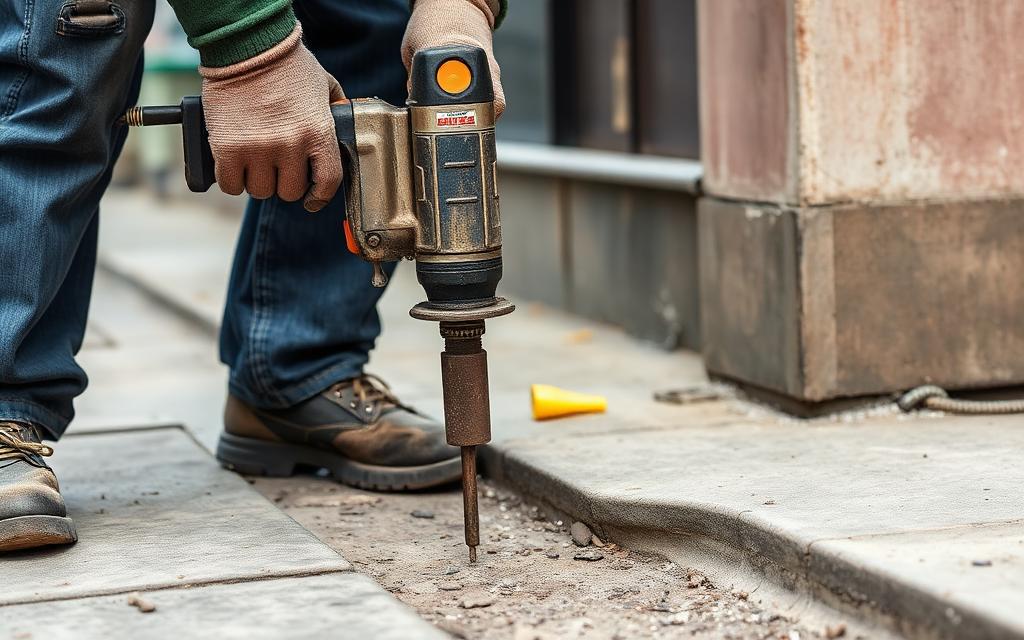
How Loud Is a Jackhammer? (Decibel Levels + Safety Guide)
Jackhammers produce 100–130 dB depending on distance. Here is what construction noise means for workers and nearby residents.

How Loud Is an Airplane Cabin? (Decibel Levels During Flight)
Airplane cabins sustain 75–85 dB during cruise. Learn whether long flights can damage your hearing and how to protect yourself.
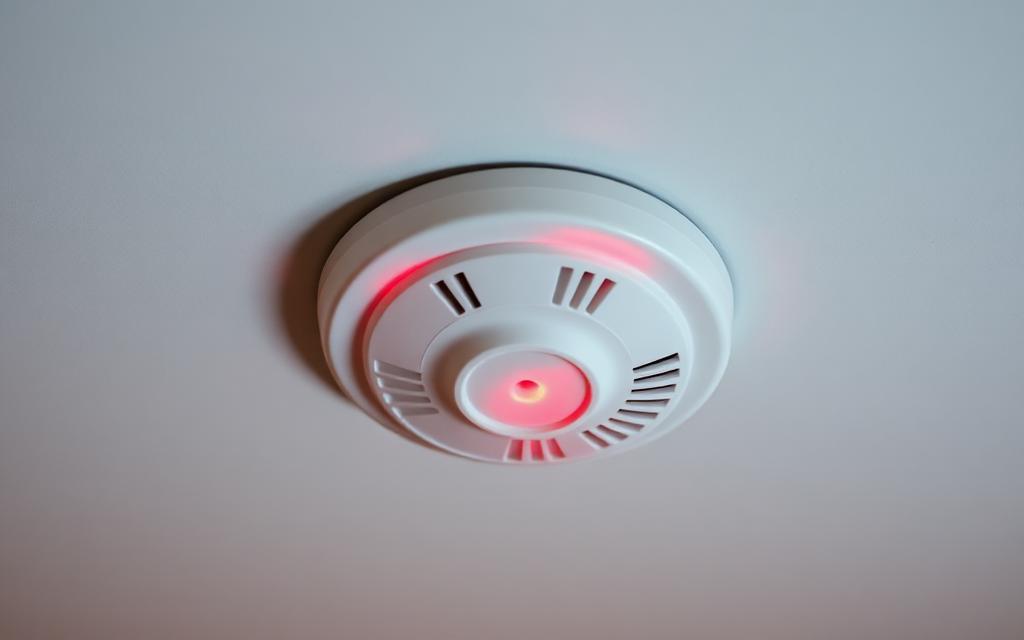
How Loud Is a Fire Alarm? (Smoke Detector Decibel Levels)
Fire alarms produce 85–120 dB by design — loud enough to wake you from deep sleep. Here is what those levels mean.
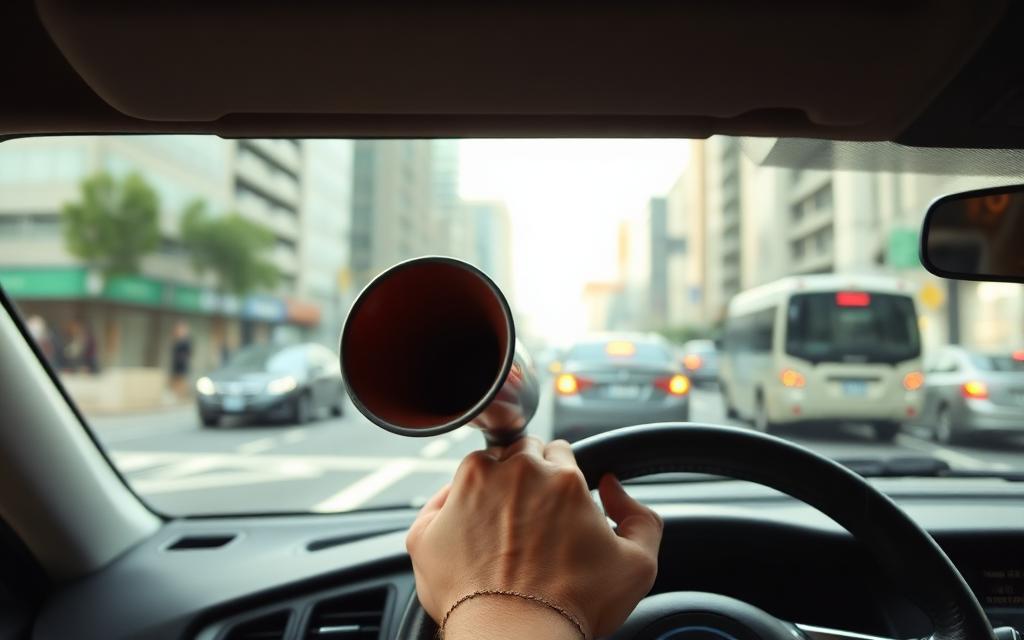
How Loud Is a Car Horn? (Decibels + Distance Guide)
Car horns produce 100–110 dB at 1 meter — designed to be heard over traffic noise. Here is what that means at various distances.

How Loud Is a Stadium Crowd? (Decibels Explained)
Stadium crowds reach 100–130 dB. Learn whether sports events can damage your hearing.
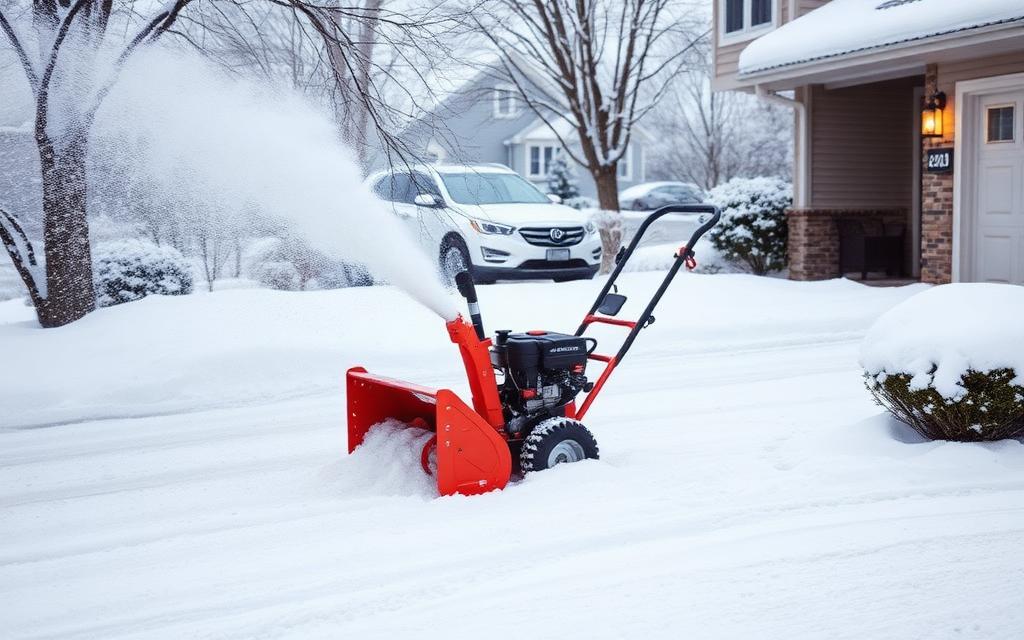
How Loud Is a Snow Blower? (Decibels Explained)
Snow blowers produce 85–100 dB. Learn how they compare.
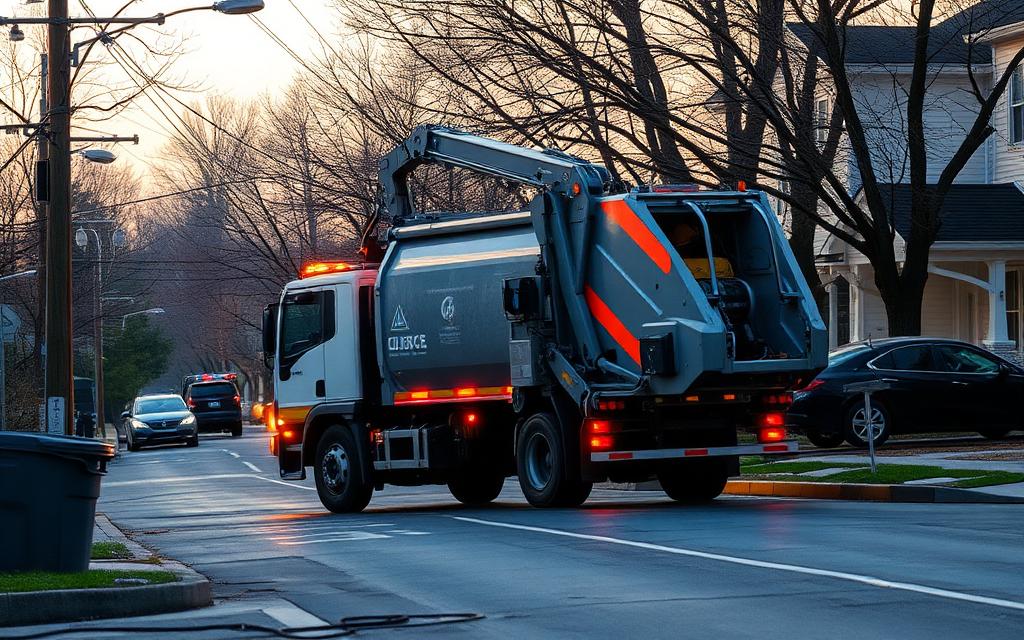
How Loud Is a Garbage Truck? (Decibels Explained)
Garbage trucks produce 80–100 dB — a common early-morning noise complaint.
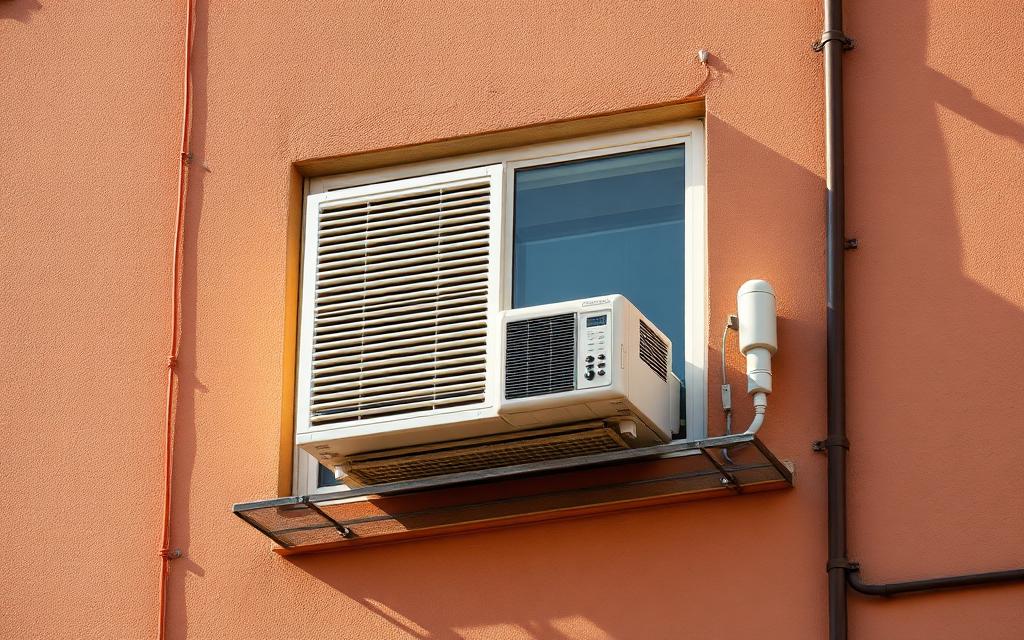
How Loud Is an Air Conditioner? (Decibels Explained)
Air conditioners produce 40–80 dB depending on type.
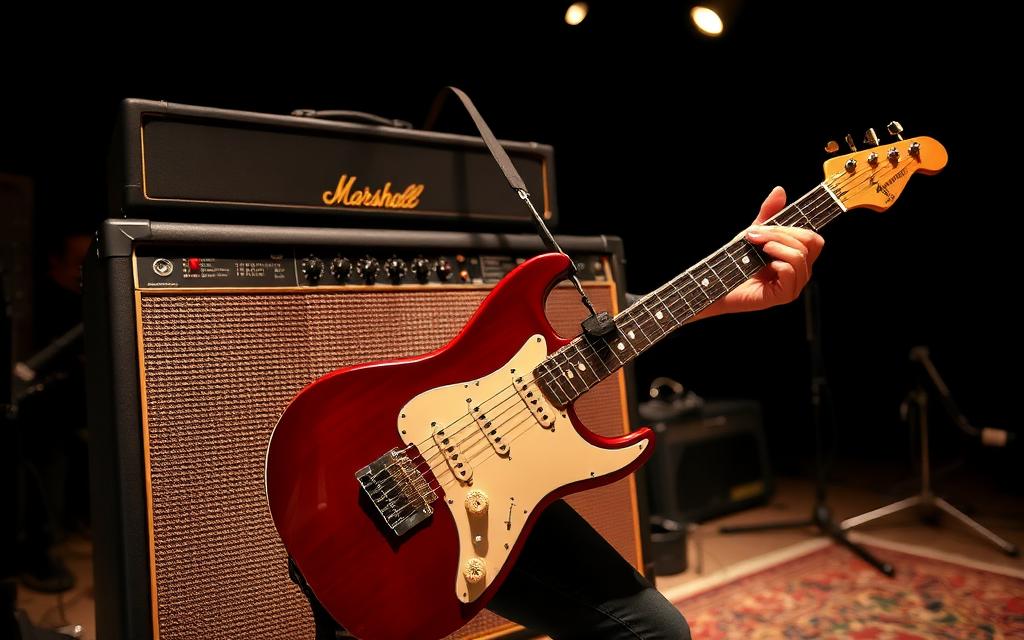
How Loud Is an Electric Guitar Amp? (Decibels Explained)
Guitar amps: 65 dB practice to 130 dB stage volume.

How Loud Is a Train Horn? (Decibels Explained)
Train horns: 96–110 dB at 30 meters — required by law.
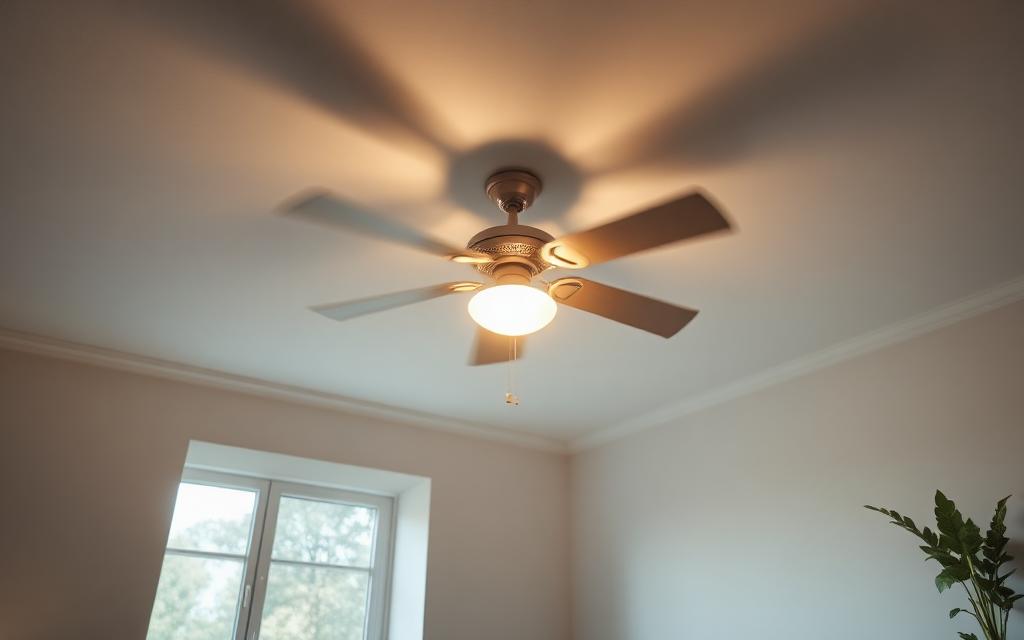
How Loud Is a Ceiling Fan? (Decibels Explained)
Ceiling fans: 30–55 dB — quiet, but some are surprisingly noisy.
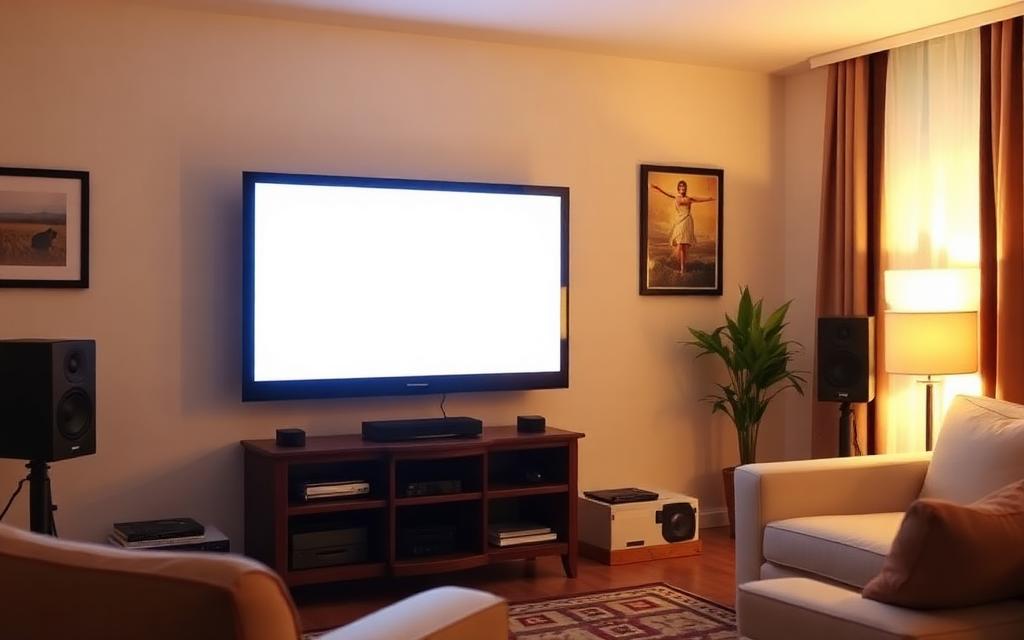
How Loud Is a Television? (Decibels Explained)
A TV at normal volume measures 55–70 dB. See decibels by volume setting and room type.
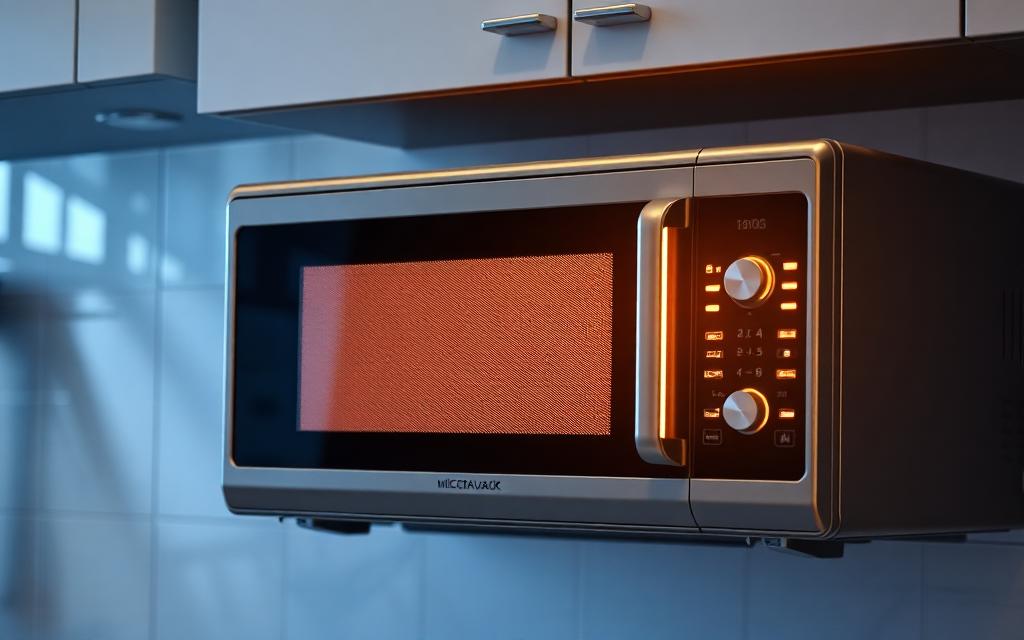
How Loud Is a Microwave Oven? (Decibels Explained)
Microwaves: 55–75 dB — louder than you think.

How Loud Is an Espresso Machine? (Decibels Explained)
Espresso machines reach 70–90 dB, up to 95 dB steaming milk.
Decibel Chart: Complete Sound Level Reference (2026)
The complete decibel chart — 50+ sounds ranked from near-silence to rocket launches, with safety thresholds and exposure limits.
Noise Level Chart: Everyday Sounds Ranked by Decibels
A practical chart ranking 40+ everyday sounds from quiet to dangerously loud, with real-world context for each level.
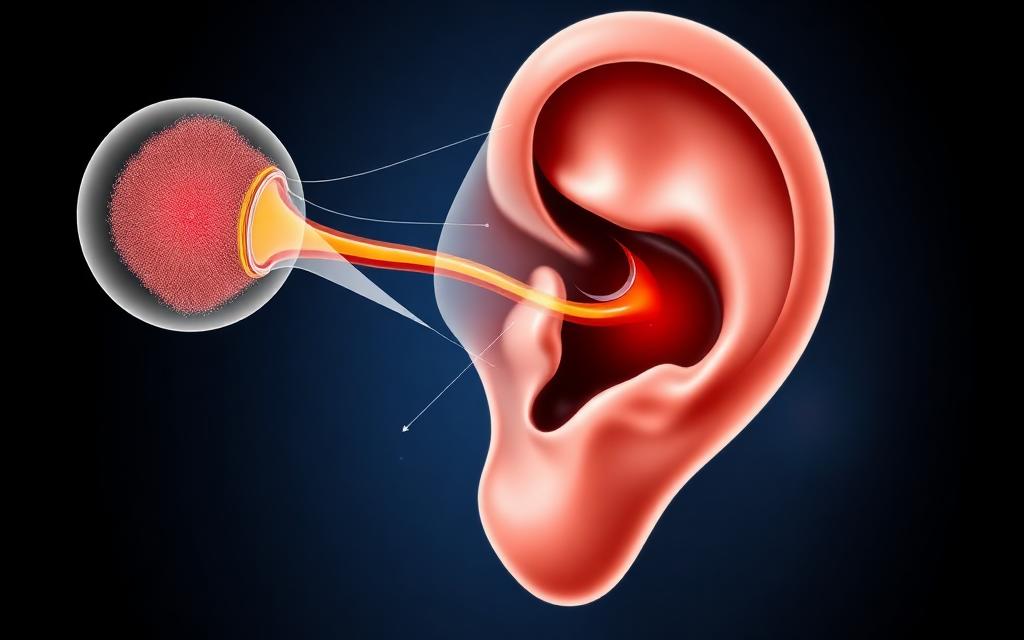
Hearing Damage Chart: When Sound Becomes Dangerous
The complete hearing damage reference — NIOSH and OSHA exposure limits for every dB level, with real-world examples.
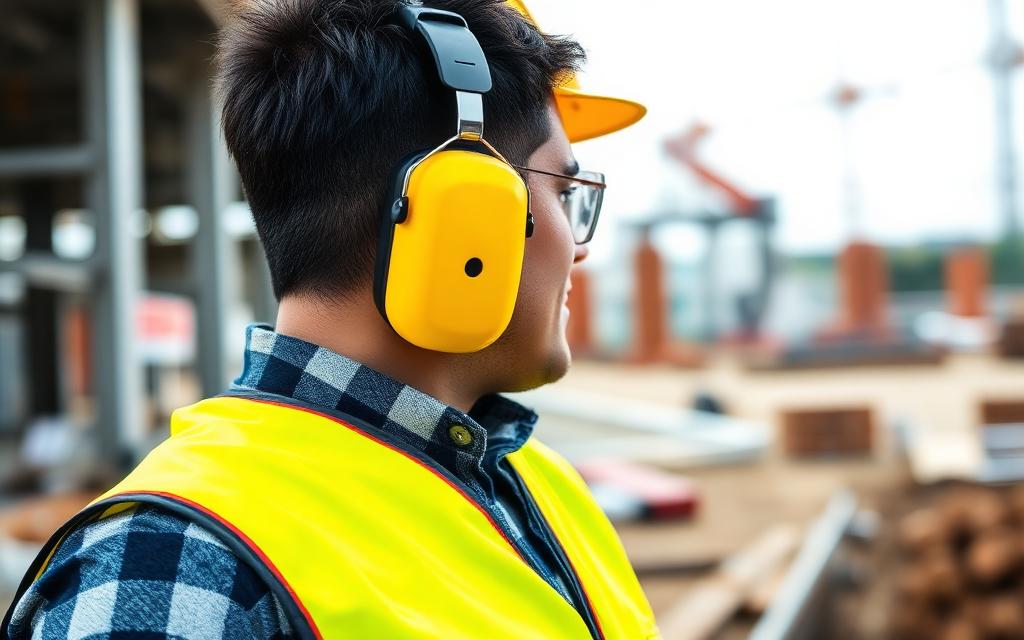
Safe Sound Levels Chart: How Loud Is Too Loud?
A clear, visual guide to safe vs. unsafe sound levels — know when to protect your hearing at a glance.
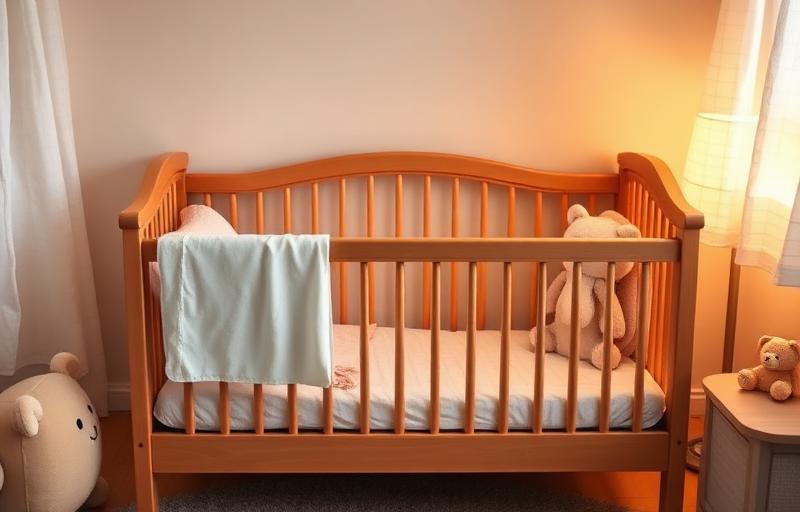
How Loud Is a Baby Crying? Decibel Levels Parents Should Know
A baby's cry can reach 100–110 dB, rivaling a nightclub in intensity. Here's what parents need to know about noise exposure during those early months.

How Loud Is a Concert? Decibel Levels by Venue & Genre
Concerts range from 95 to 120 dB depending on genre and position. Front row at a rock show hits 115+ dB. Here's the complete guide to concert noise.

How Loud Is Crowd Noise? From Cafés to Stadiums
Crowd noise scales from a gentle café buzz at 65 dB to a deafening stadium roar at 130+ dB. The math of many voices is surprisingly powerful.

How Loud Is an Airplane Takeoff? Decibels by Distance
Jet takeoff produces 140+ dB at the runway — one of the loudest regular events on Earth. Here's how it scales with distance.
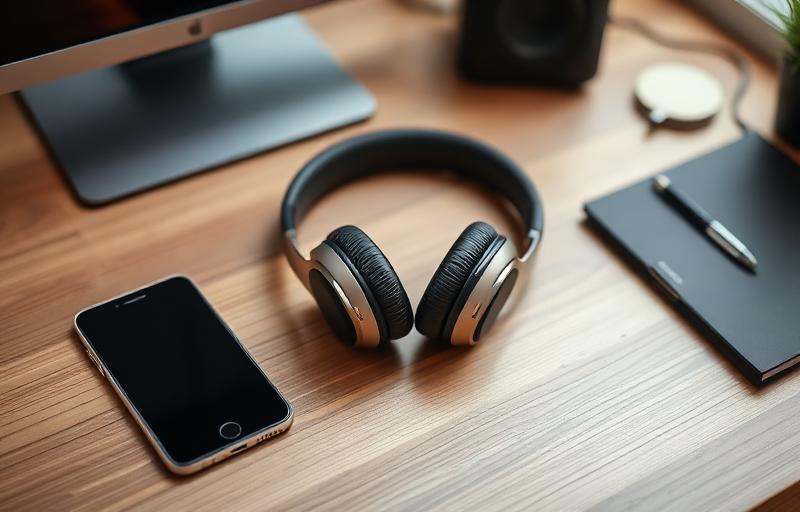
How Loud Are Headphones at Max Volume? The Hidden Danger
Your headphones at max volume produce 100–120 dB — the same as a rock concert. Most people have no idea they're damaging their hearing daily.
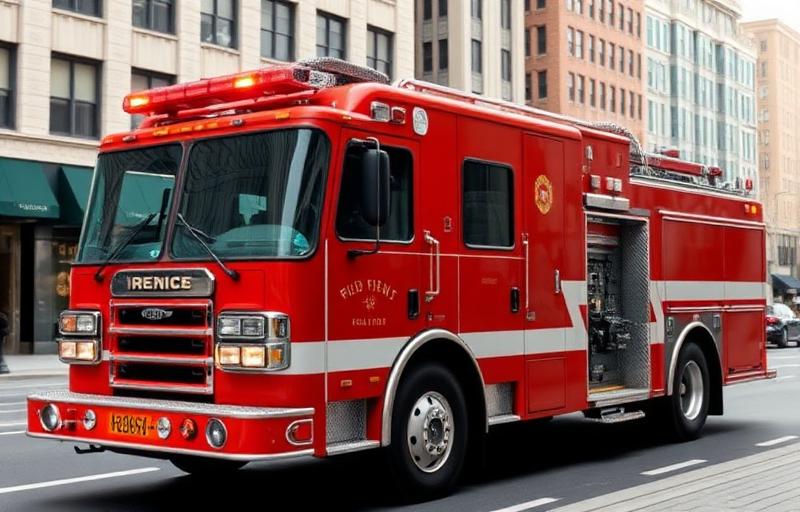
How Loud Is a Siren? Emergency Vehicle Decibel Levels
Emergency sirens blast 110–130 dB at close range. Even from a block away, they hit 80–90 dB. Here's the full noise picture.
How Loud Is a Whisper in Decibels?
A whisper registers 20–30 dB — among the quietest sounds the human ear can detect. Here's what that means in real-world terms.

How Loud Is a Restaurant? Decibel Levels & Dining Experience
Modern restaurants hit 75–90 dB during dinner rush — loud enough to strain conversations and cause vocal fatigue. Here's the acoustic reality of dining out.

How Loud Is Wind Noise in Decibels?
Wind noise ranges from a gentle 20 dB breeze to a roaring 100+ dB gale. It's also the hidden noise source that ruins outdoor recordings.

How Loud Is Gym Music? The Workout Noise Problem
Gym music typically blasts at 85–95 dB — above the hearing damage threshold. Add clanking weights and your ears are under assault.

How Loud Is a Blender? Kitchen Noise Levels Measured
A typical blender produces 80–95 dB — louder than a vacuum cleaner and approaching hearing damage thresholds at full power.

How Loud Is a Piano? Decibel Levels from Soft to Forte
A piano produces 60–105 dB depending on how it's played — from gentle pianissimo to thundering fortissimo.
How Loud Is a Printer? Office Noise Levels Explained
Printers produce 40–75 dB depending on type — from whisper-quiet inkjets to noticeably loud commercial copiers.
How Loud Is a Generator? Portable & Standby dB Levels
Generators range from 50 dB (inverter models) to 100+ dB (large diesel units) — one of the loudest common machines you'll encounter.
How Loud Is Rain? From Drizzle to Thunderstorm
Rain ranges from 35 dB (light drizzle) to 70 dB (heavy rain on a metal roof) — a natural white noise source loved by sleepers.
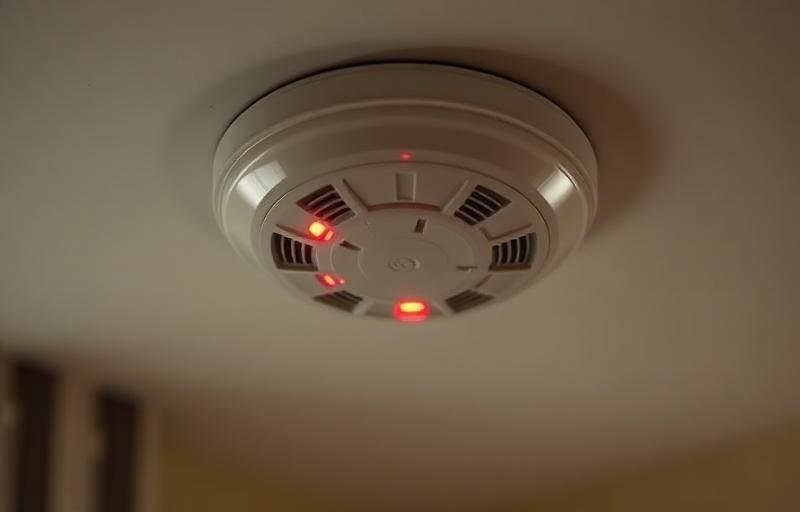
How Loud Is a Smoke Detector? Why Alarms Are So Piercing
Smoke detectors produce 85–110 dB at 10 feet — deliberately designed to be loud enough to wake you from deep sleep.
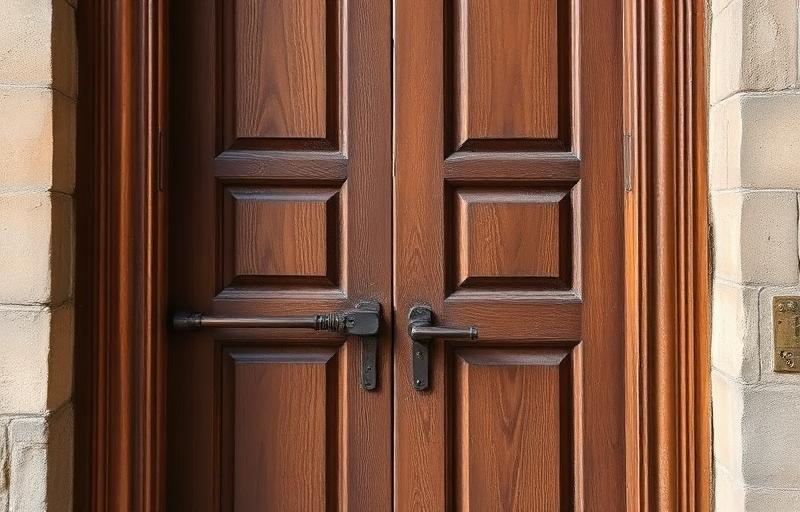
How Loud Is a Door Slam? Impact Noise Explained
A door slam produces 80–110 dB of sudden impact noise — one of the most disruptive everyday sounds in homes and apartments.

How Loud Is a Drum Kit? Acoustic vs Electronic Compared
An acoustic drum kit produces 90–130 dB — making it one of the loudest acoustic instruments and a serious hearing risk without protection.

How Loud Is Typing? Keyboard Noise Levels Compared
Typing produces 30–70 dB depending on keyboard type — from whisper-quiet laptop keys to clicky mechanical switches.

How Loud Is a Cat Purring? The Quietest Animal Sound
A cat purring produces 25–50 dB — one of the softest, most soothing sounds in nature. Some exceptional cats purr as loud as 67 dB.

How Loud Is a Treadmill? Home Gym Noise Levels
A treadmill produces 60–85 dB depending on speed, surface, and model — plus significant vibration that travels through floors.
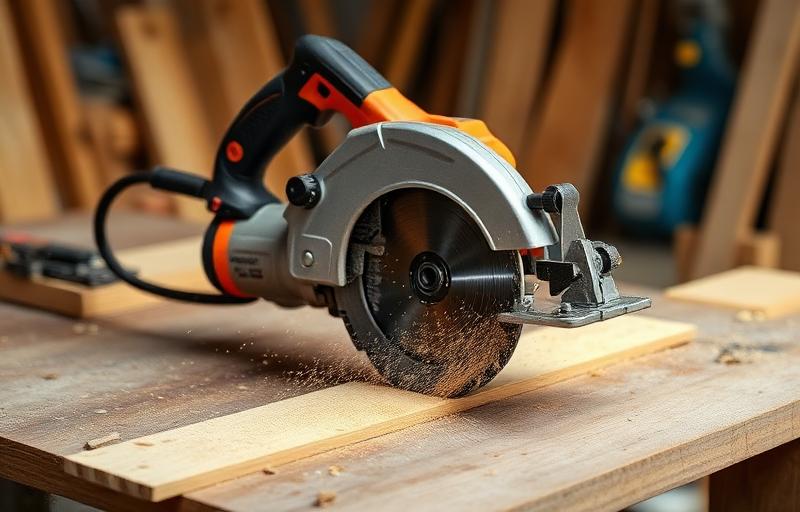
How Loud Is a Circular Saw? Power Tool Safety Guide
A circular saw produces 95–110 dB during cutting — one of the loudest common power tools and a serious hearing risk without protection.
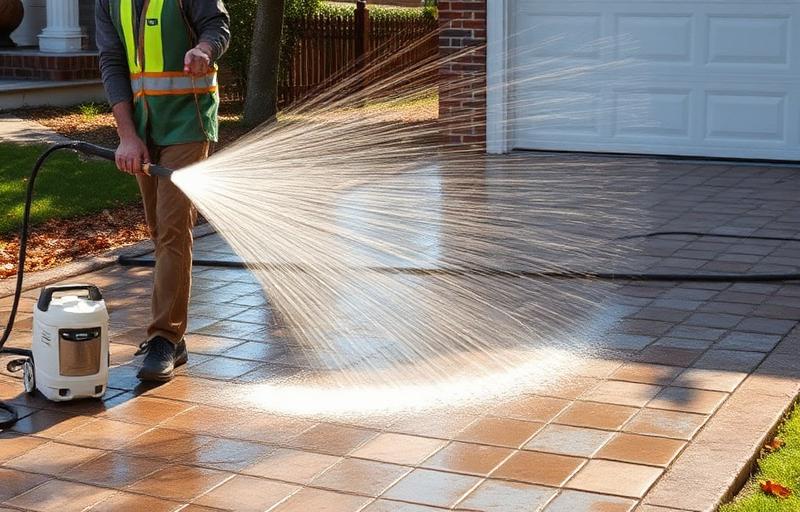
How Loud Is a Pressure Washer? Outdoor Cleaning Noise
A pressure washer produces 80–100 dB — louder than most people expect. Gas models are significantly noisier than electric.

How Loud Is a Dental Drill? Why Dentist Visits Sound Scary
A dental drill produces 70–95 dB measured at the patient's ear — it sounds louder because it's centimeters from your eardrum.
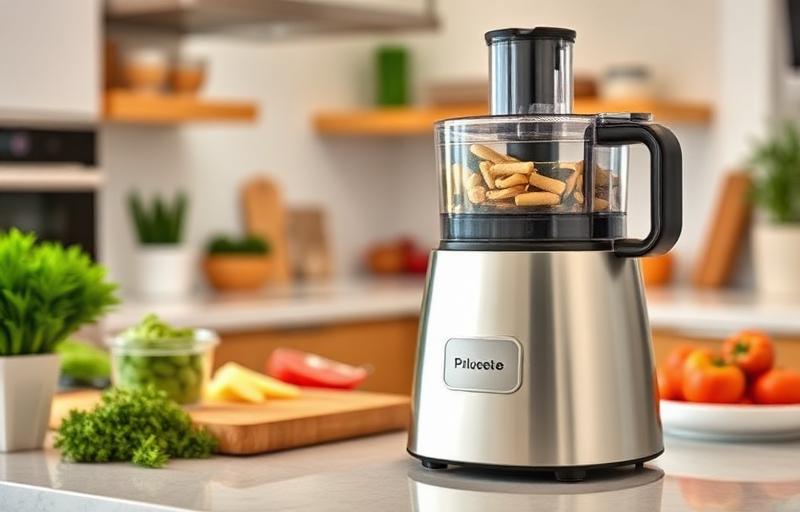
How Loud Is a Food Processor? Kitchen Appliance Noise
A food processor produces 75–95 dB — similar to a blender but slightly quieter at most settings due to the wider bowl design.

How Loud Is a Jet Ski? Watercraft Noise Levels Explained
A jet ski produces 85–115 dB at the rider position — louder than most people realize, with significant hearing risk at full throttle.

How Loud Is a Police Siren? Decibel Levels Explained
Police sirens produce 110–130 dB, making them one of the loudest sounds you encounter in daily life.

How Loud Is a Rooster Crowing? Decibel Levels Explained
A rooster crows at 90–130 dB, rivaling the loudness of a chainsaw or jackhammer at close range.

How Loud Is a Toddler Screaming? Decibel Levels Explained
A screaming toddler can produce 100–110 dB — as loud as a power drill or a passing motorcycle.
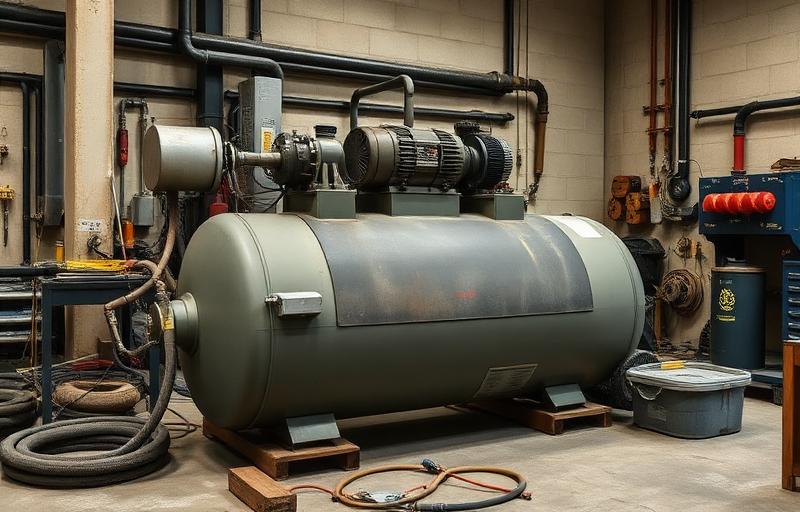
How Loud Is an Air Compressor? Decibel Levels Explained
Air compressors generate 70–95 dB, with some industrial models exceeding 100 dB during operation.

How Loud Is a Bowling Alley? Decibel Levels Explained
Bowling alleys generate 75–95 dB from the combined noise of rolling balls, pin crashes, and background music.
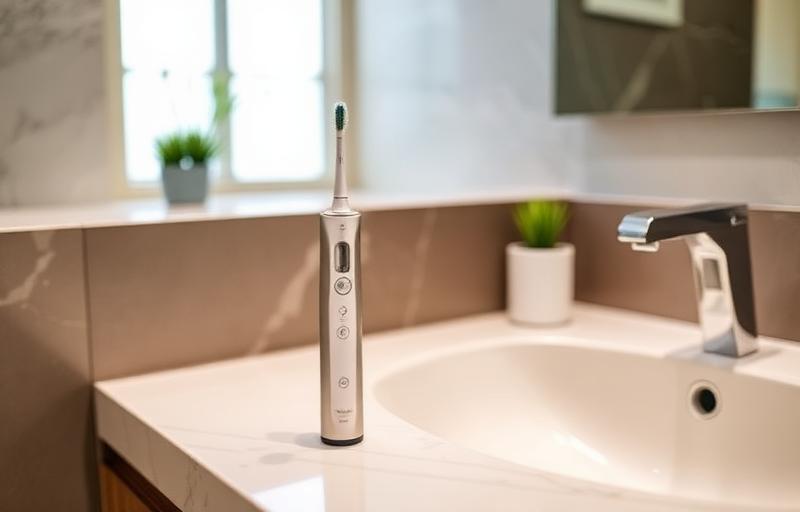
How Loud Is an Electric Toothbrush? Decibel Levels Explained
Electric toothbrushes produce 50–65 dB — roughly the volume of a quiet conversation or light rainfall.
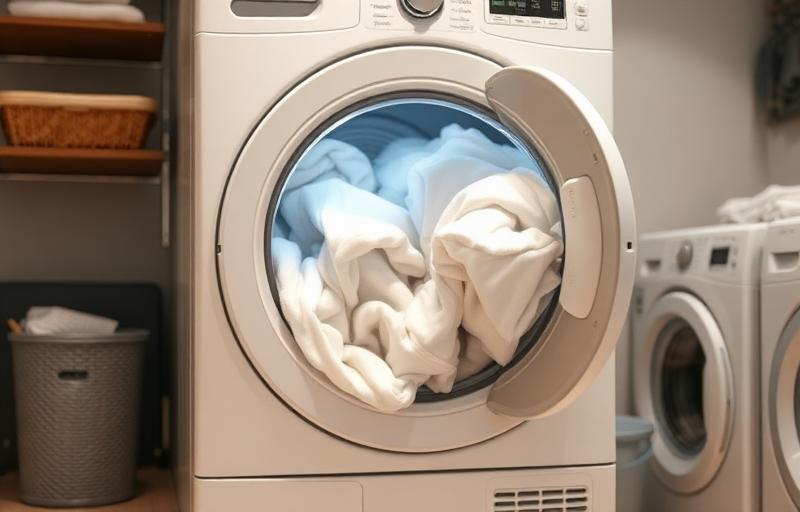
How Loud Is a Clothes Dryer? Decibel Levels Explained
Clothes dryers produce 55–72 dB — a comfortable background hum that many people find soothing.

How Loud Is a Frog Croaking? Decibel Levels Explained
Frogs produce 50–100 dB depending on species — some tropical species are as loud as a lawnmower.
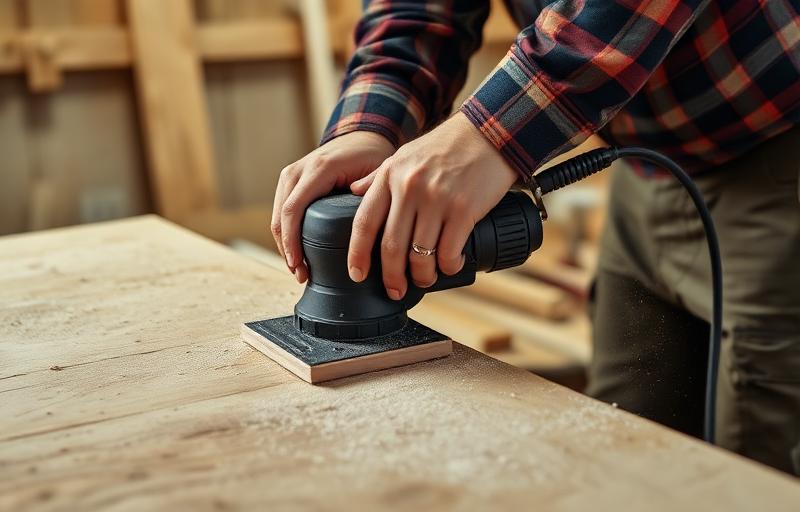
How Loud Is a Power Sander? Decibel Levels Explained
Power sanders produce 85–100 dB — hearing protection is recommended for any sanding session longer than 15 minutes.

How Loud Is Applause? Decibel Levels Explained
Audience applause produces 70–100 dB, with large standing ovations in concert halls approaching rock concert levels.

How Loud Is a Woodpecker? Decibel Levels Explained
Woodpecker drumming produces 60–103 dB — some species hit harder than a jackhammer relative to body size.
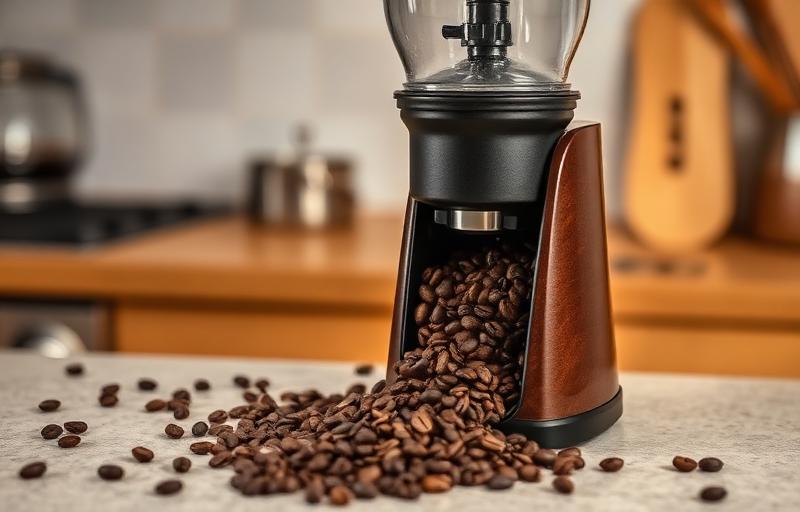
How Loud Is a Coffee Grinder? Decibel Levels Explained
Coffee grinders produce 70–95 dB — blade models are as loud as a food processor while manual burrs are nearly silent.
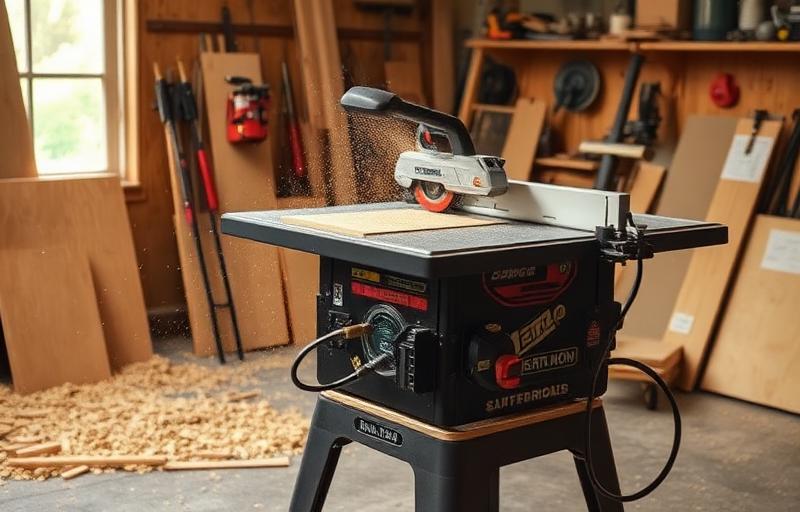
How Loud Is a Table Saw? Decibel Levels Explained
Table saws generate 93–110 dB during cutting, making them one of the loudest tools in any workshop.
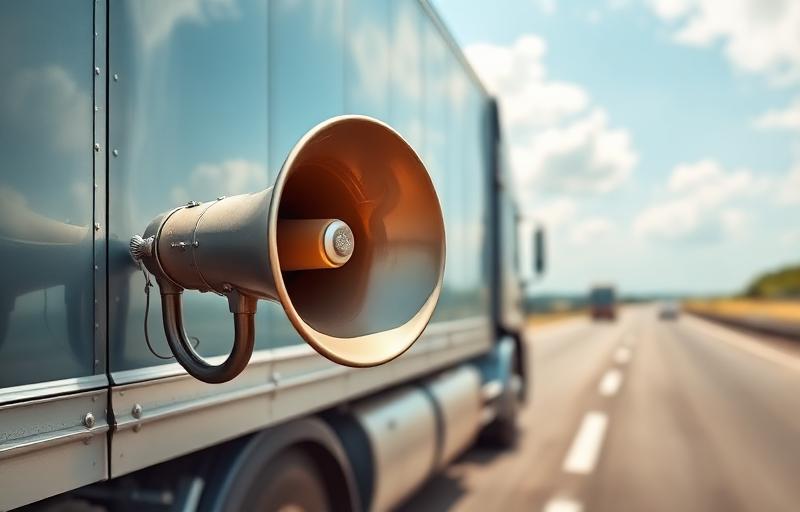
How Loud Is a Truck Horn? Decibel Levels Explained
Truck air horns produce 105–150 dB — louder than a rock concert and capable of causing instant hearing damage at close range.
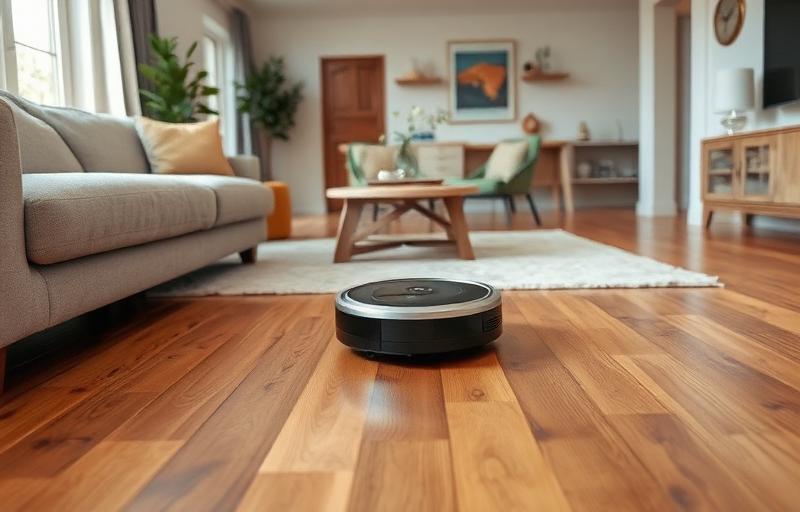
How Loud Is a Robot Vacuum? Decibel Levels Explained
Robot vacuums produce 55–75 dB — significantly quieter than traditional upright vacuums at 75–85 dB.

How Loud Is a Cicada? Decibel Levels Explained
Cicadas are nature's loudest insects at 80–120 dB, with mass emergences creating sound walls rivaling machinery.
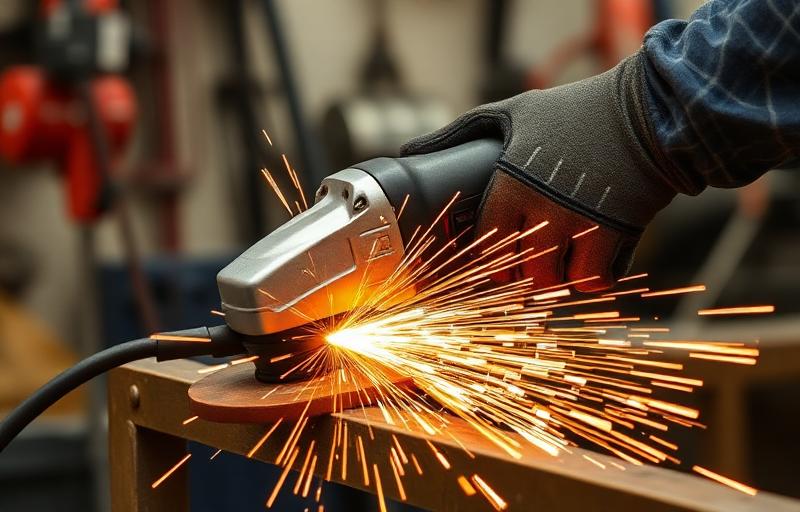
How Loud Is an Angle Grinder? Decibel Levels Explained
Angle grinders produce 95–115 dB during grinding and cutting — among the loudest handheld tools in any workshop.

How Loud Is a School Cafeteria? Decibel Levels Explained
School cafeterias reach 75–95 dB during peak hours — louder than city traffic and approaching construction site levels.

How Loud Is a Waterfall? Decibel Levels Explained
Waterfalls range from 60 dB (small garden falls) to 110 dB (major cascades like Niagara) depending on height and water volume.
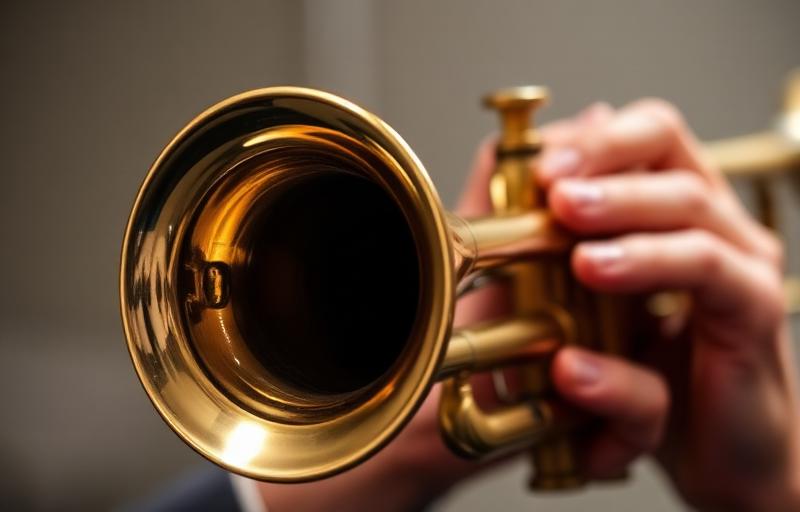
How Loud Is a Trumpet? Decibel Levels Explained
Trumpets produce 80–110 dB, making them among the loudest instruments in any ensemble.
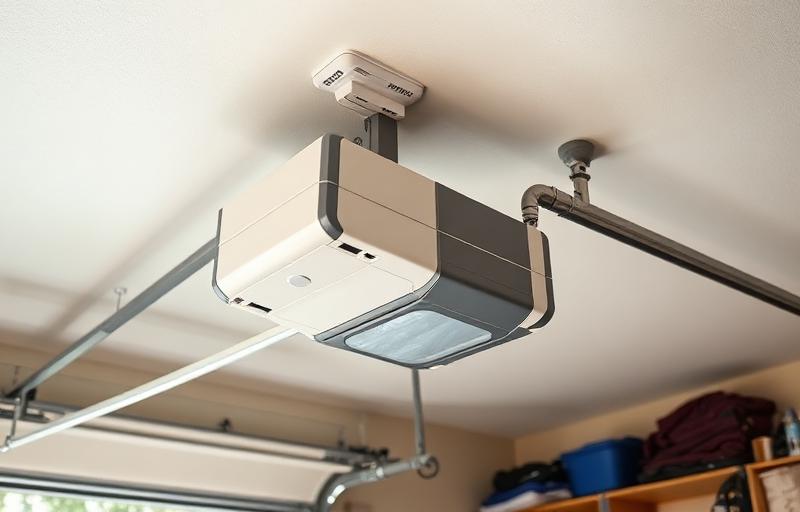
How Loud Is a Garage Door Opener? Decibel Levels Explained
Garage door openers range from 60–85 dB, with chain-drive models being the loudest and belt-drive the quietest.

How Loud Is a Hand Mixer? Decibel Levels Explained
Hand mixers produce 70–85 dB — comparable to a vacuum cleaner or food processor at higher speeds.
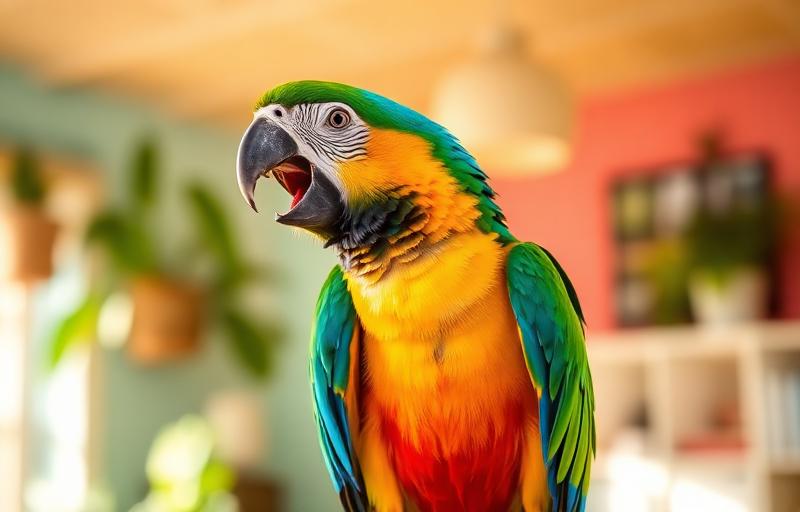
How Loud Is a Parrot? Decibel Levels Explained
Parrots produce 70–120 dB depending on species — large cockatoos and macaws rival rock concert volumes.
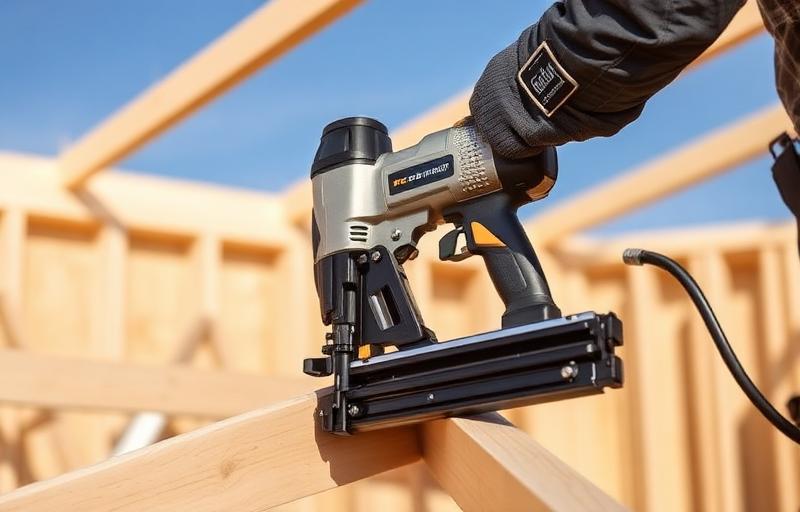
How Loud Is a Nail Gun? Decibel Levels Explained
Nail guns produce 100–120 dB per shot — impulsive blasts that are among the most hearing-dangerous construction sounds.

How Loud Is a Bar? Decibel Levels Explained
Bars and pubs produce 80–110 dB — a combination of music, conversation, and crowd noise that forces patrons to shout.
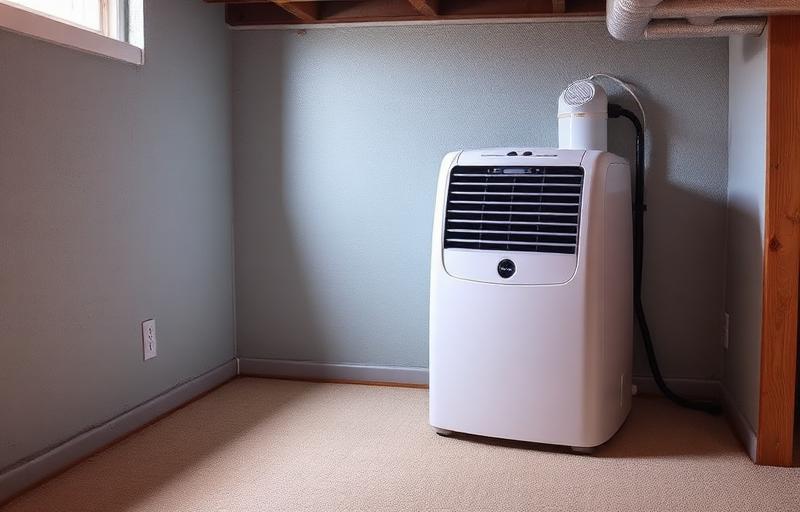
How Loud Is a Dehumidifier? Decibel Levels Explained
Dehumidifiers produce 40–60 dB — some models are quiet enough for bedrooms while others need a separate room.

How Loud Is a Cricket Chirping? Decibel Levels Explained
Crickets chirp at 50–100 dB, with some species producing remarkably loud calls for their tiny size.
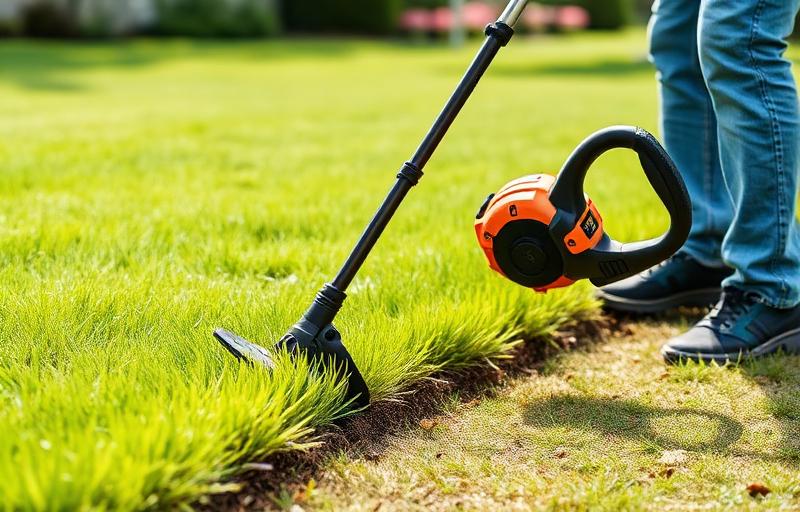
How Loud Is a Weed Whacker? Decibel Levels Explained
Weed whackers produce 85–100 dB, with gas-powered models significantly louder than battery-electric alternatives.
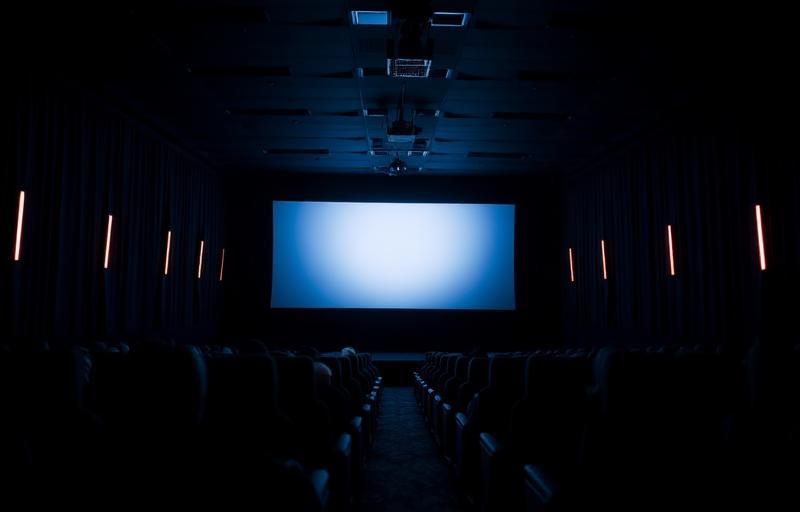
How Loud Is a Movie Theater? Decibel Levels Explained
Movie theaters produce 80–105 dB, with action movie peaks and trailers often exceeding safe exposure levels.
How Loud Is a Cockatoo? Decibel Levels Explained
Cockatoos are the loudest pet species on Earth at 100–135 dB, rivaling industrial machinery and jet engines.
Measure Any Sound Right Now
Use Snap Decibel Meter to measure noise levels instantly — free, private, and no download needed.
Open Decibel MeterFrequently Asked Questions About Noise Levels
What is the loudest everyday sound?
Among everyday sounds, lawn mowers (90 dB), motorcycles (95 dB), chainsaws (110 dB), and rock concerts (115 dB) are the loudest. Industrial tools like jackhammers reach 120+ dB.
What is the quietest everyday sound?
A whisper measures around 20–30 dB, light rainfall is about 40 dB, and a quiet library is around 30 dB. Anything below 20 dB is barely perceptible.
How loud is too loud for daily exposure?
NIOSH recommends limiting occupational exposure to 85 dBA averaged over 8 hours. Based on the NIOSH 3 dB exchange rate, the recommended time halves for every 3 dB increase — about 4 hours at 88 dB and 2 hours at 91 dB. These are recommendations, not guarantees of safety.
Which household sounds are the loudest?
Vacuum cleaners (75 dB), blenders (85 dB), hair dryers (85 dB), and food processors (90 dB) are among the loudest household sounds. Power tools used in DIY can exceed 100 dB.
How can I measure how loud something is?
Use Snap Decibel Meter — a free browser-based tool that turns your phone into a noise meter. It works on iPhone and Android with no app install required.