How Loud Is a Stadium Crowd? (Decibels Explained)
Stadium crowds reach 100–130 dB. Learn whether sports events can damage your hearing.
Reviewed by our team against authoritative public-health sources. See our editorial standards.
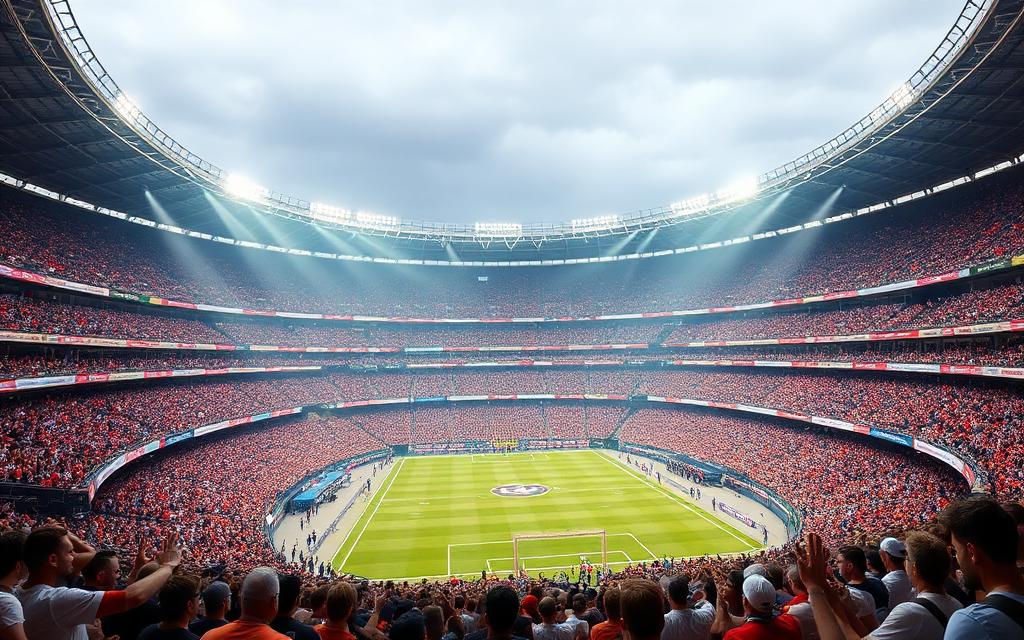
Stadium Crowd
110–120 dB
Safe exposure
Instant risk
Per NIOSH 85 dBA / 8 h reference (3 dB exchange rate)
Above 85 dB can damage hearing with prolonged exposure. Use ear protection.
Personalized verdict
Is this dangerous for you?
Stadium Crowd
115 dB
Typical
Your room
— dB
Tap Compare
Difference
—
Waiting
Audio is processed locally in your browser — nothing is recorded or sent. Prefer the full meter? Open Snap dB
Compare Stadium Crowd to:
Quick Answer
A decibel (dB) is a logarithmic unit used to measure sound intensity: an increase of 10 dB means ten times more sound energy.
Stadium crowds typically produce 100–130 dB during peak moments. The world record is 142.2 dB, set at Arrowhead Stadium in Kansas City. Regular game-day peaks of 110–120 dB are common. Hearing protection is strongly recommended.
📊 Similar in loudness to a car horn at 3 feet (about 115 dB).
Prolonged exposure above 85 dB can damage hearing.
At a glance
| Typical range | 110–120 dB |
|---|---|
| Safety tier | Dangerous |
| Safe exposure (NIOSH REL) | Immediate risk |
| Audible at | ~50+ ft |
Louder than a helicopter overhead at 100 feet (105 dB), quieter than a jet takeoff at 100 metres (130 dB).
How these figures were determined: Values are based on published reference levels from NIOSH, OSHA, the WHO and the CDC, together with manufacturer specifications where available. Actual sound levels vary with distance, room acoustics, equipment condition and measurement method, and readings taken with a phone microphone are estimates rather than calibrated measurements.
How Many Decibels Is a Stadium Crowd?
A packed stadium during a touchdown, goal, or game-winning play generates 100–130 dB of crowd noise. The Guinness World Record stands at 142.2 dB, set at Arrowhead Stadium (Kansas City Chiefs) in 2014.
Average game-day noise in the NFL hovers around 80–95 dB during normal play, spiking to 110–125 dB during key moments. Soccer stadiums produce similar levels, with European football crowds reaching 120+ dB after goals. NBA and NHL arenas, being enclosed, can feel even louder due to sound reflections.
The noise comes in bursts. A sudden roar after a big play can jump 30 dB in under a second. These sudden spikes are particularly stressful on your ears because the stapedius reflex cannot activate fast enough.
This might be louder than you think…
Noise Level: Stadium Crowd
Classification
Dangerous
Safe Exposure
Immediate risk
What Stadium Noise Sounds Like
Standing in the middle of 70,000 screaming fans is a visceral experience. The noise is physical — you feel vibrations through your seat, the floor, and the air. Your chest resonates with the low-frequency rumble of tens of thousands of voices.
Communication becomes nearly impossible during peak moments. You cannot hear the person next to you even if they shout directly into your ear. After the game, many fans experience temporary hearing dullness or ringing (tinnitus).
Different sports produce different noise profiles. Football and soccer crowds generate sustained roars. Basketball fans in enclosed arenas create sharp, echoing noise. Baseball crowds tend to be quieter overall (70–90 dB) with occasional bursts during home runs.
- NFL stadium during touchdown: 110–130 dB
- Soccer stadium after goal: 105–125 dB
- NBA arena during playoffs: 100–120 dB
- Baseball crowd during home run: 90–110 dB
- Between plays / timeouts: 75–90 dB
Typical Sound Levels
Here's where it becomes dangerous…
City dwellers are exposed to an average of 10 dB more ambient noise than rural residents throughout the day.
Measure Your Environment
Use Snap Decibel Meter to estimate the sound level around you right now.
Open Noise MeterCan Stadium Noise Damage Your Hearing?
Yes. Stadium noise regularly exceeds 100 dB, where NIOSH limits safe exposure to just 15 minutes. A typical NFL game lasts over 3 hours, with cumulative noise exposure far exceeding recommended limits.
The risk is highest in enclosed arenas and for fans near loudspeakers, air horns, or vuvuzelas. Children are especially vulnerable — their smaller ear canals amplify sound pressure.
How Stadium Noise Compares
A peak crowd roar at 120 dB matches an ambulance siren at 10 feet. The world record of 142 dB approaches a jet engine at 30 meters. Compared to concerts (95–115 dB), stadium events can be louder because the crowd surrounds you from all directions.
How to Protect Your Ears at Games
Foam earplugs (NRR 25–33) reduce noise by 20–30 dB while preserving the atmosphere. High-fidelity earplugs (NRR 12–20) lower volume evenly. Take noise breaks during halftime.
Now that you know the real level, test your own environment.
Understanding Stadium Crowd Noise Levels
Sound at 110–120 dB from stadium crowd interacts with your environment in predictable ways. Hard surfaces reflect it, soft surfaces absorb it, barriers block it (with some diffraction around edges), and distance attenuates it. These fundamental acoustic principles apply universally and form the basis of every noise control strategy.
Noise at 110–120 dB from stadium crowd exceeds the maximum level that any regulatory body considers safe for unlimited exposure. At this intensity, sound energy is sufficient to physically damage the stereocilia (hair-like structures) on inner ear sensory cells. These structures do not regenerate in mammals — every exposure above safe limits contributes to permanent, cumulative hearing loss.
Room acoustics have a major impact on how loud stadium crowd actually sounds. Hard, reflective surfaces (tile, glass, concrete) create reverberation that can increase the effective level by 5–10 dB. Soft materials like curtains, carpet, and upholstered furniture absorb sound waves and make the same source noticeably quieter.
Stadium Crowd vs. Common Noise Sources
The closest everyday comparison to stadium crowd at 110–120 dB is a car horn at 3 feet, which registers at 115 dB. Both sounds occupy the same energy band and present similar exposure considerations, though their frequency profiles and duration patterns create distinct listening experiences.
On the quieter end, a helicopter overhead at 100 feet registers about 105 dB — that's 10 dB below stadium crowd, representing roughly 2× less perceived loudness. Moving louder, a jet takeoff at 100 meters reaches 130 dB — 15 dB above stadium crowd, approximately 3× louder to your ears.
The decibel scale is logarithmic — each 10 dB increase represents a tenfold jump in sound energy and roughly a doubling of perceived loudness. At 110–120 dB, stadium crowd carries 316,227,766,017× more acoustic energy than the threshold of hearing (0 dB), placing it in a well-characterized region of the audible spectrum.
Safe Exposure Duration for Stadium Crowd
According to NIOSH guidelines, the maximum safe exposure time at 120 dB is Immediate risk. This level can cause instant pain and hearing damage.
NIOSH Exposure Limits Reference
Hearing Protection Strategies for Stadium Crowd
Because stadium crowd reaches 120 dB, hearing protection during exposure is not optional — it's a medical necessity. The type and level of protection depends on your exposure pattern: occasional home users can rely on disposable foam earplugs (NRR 29–33), while daily professional users should invest in custom-molded earplugs or electronic earmuffs.
The most effective noise reduction combines source treatment, path interruption, and receiver protection — the "source-path-receiver" model used by acoustic engineers. For stadium crowd at 120 dB, start at the source (can you reduce the noise output?), then address the path (can you add distance, barriers, or absorption?), and finally protect yourself (hearing protection, time limits).
- Measure stadium crowd noise with a smartphone app to establish your actual exposure level
- Add soft furnishings (rugs, curtains, upholstered furniture) to absorb reflected stadium crowd sound
- Close doors and seal gaps between rooms to reduce transmitted noise by 15–25 dB
- Wear NRR 20+ hearing protection if stadium crowd exposure exceeds 85 dB
- Monitor cumulative daily exposure — multiple moderate sources compound over time
Test It Yourself: Measuring Stadium Crowd Noise
To measure stadium crowd noise as accurately as possible, use a dedicated Type 2 sound level meter or a calibrated smartphone app such as NIOSH SLM. Snap Decibel Meter gives you a fast relative estimate — useful for comparing environments, but uncalibrated and unweighted. Position the device at 1 meter from the source, at the height where you'd normally hear it. Take readings over 30–60 seconds and note both average (Leq) and peak (Lmax) values.
Measuring loud sounds like stadium crowd at 115 dB requires caution — the measurement process itself exposes you to potentially damaging noise. Wear hearing protection during measurement sessions, use a remote microphone or tripod placement when possible, and limit measurement duration to the minimum needed for representative data.
How Stadium Crowd Noise Affects Your Health
The progression of hearing damage from stadium crowd exposure follows a predictable pattern: first, temporary threshold shift (sounds seem muffled after exposure), then persistent tinnitus (ringing or buzzing that doesn't resolve), then permanent threshold shift (measurable hearing loss on audiometric testing). Early-stage damage is often unnoticed because the brain compensates by "filling in" missing signals from context.
Warning signs of overexposure to stadium crowd noise include: ringing, buzzing, or hissing in the ears after exposure; speech sounding muffled or distant; difficulty following conversations in restaurants or social settings; and needing to gradually increase TV or headphone volume. If you experience any of these after exposure to stadium crowd, reduce future exposure immediately and consult an audiologist.
Warning Signs of Overexposure
- Ringing, buzzing, or hissing in your ears after exposure to stadium crowd
- Sounds seem muffled or distant after leaving the noisy environment
- Difficulty understanding speech in crowded or noisy settings
- Gradually increasing your TV or headphone volume over weeks
Measure Stadium Crowd Noise Yourself
Want to know how loud stadium crowd is in your own environment? Use our free decibel meter to take a real-time reading, or check the complete decibel chart to see where 110–120 dB sits on the full scale. You can also compare sounds side by side or use the noise distance calculator to estimate levels at different distances.
🎯 Guess the Decibel Level
How loud do you think Stadium Crowd is? Drag the slider and find out!
Hearing Safety
Stadium noise regularly exceeds 100 dB. Wear earplugs for the entire event.
Frequently Asked Questions
How loud is an NFL stadium?
80–95 dB normal play, 110–130 dB during touchdowns. Record: 142.2 dB.
Do I need earplugs?
Yes — peak noise regularly exceeds safe levels.
Loudest stadium ever?
142.2 dB at Arrowhead Stadium, September 2014.
Are enclosed arenas louder?
Yes — reflections add 5–10 dB.
Explore More
Related Noise Guides
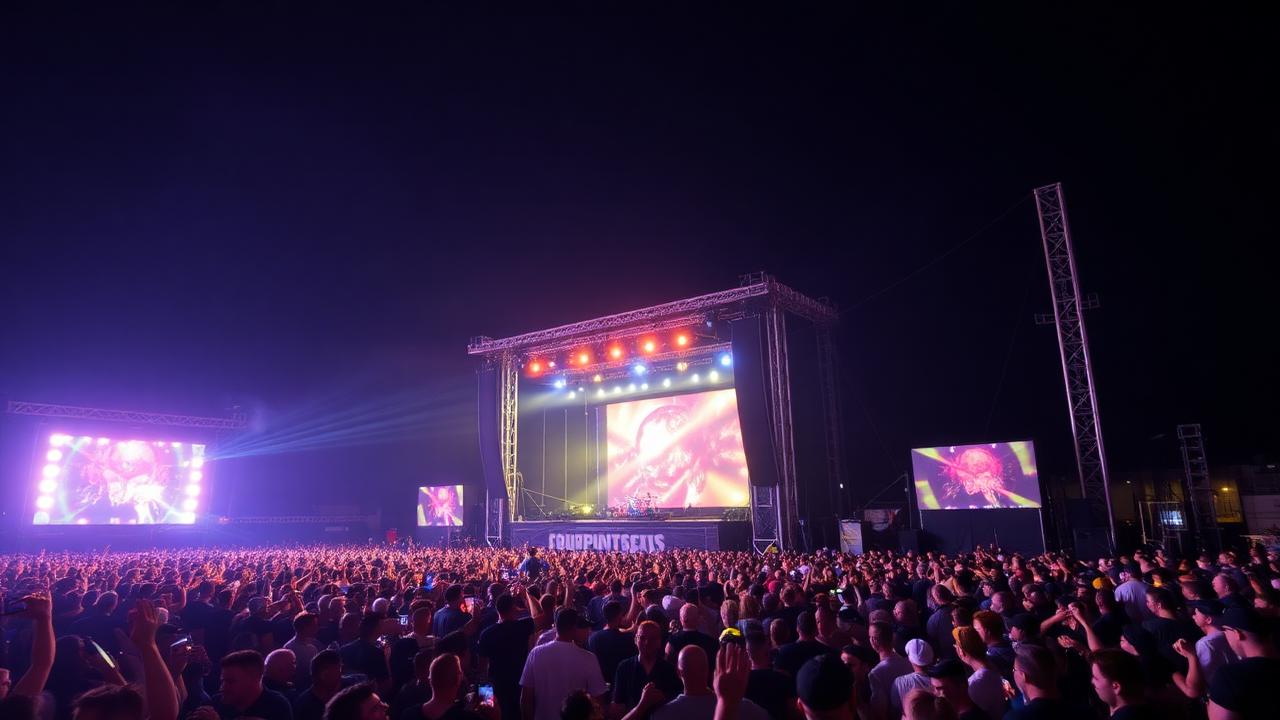
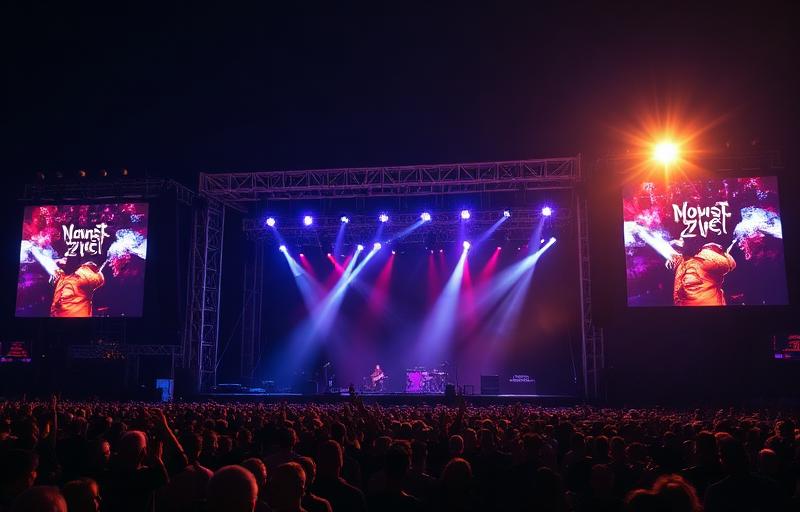
How Loud Is a Concert or Festival?
Learn about typical noise levels at concerts and music festivals, understand the hearing risks, and discover how to enjoy live music safely.
9 min readHearing SafetyIs 120 dB Dangerous? The Pain Threshold Explained
120 dB is the threshold of pain. Even a few seconds can cause permanent hearing damage. Sirens, jet engines, and gunshots reach this territory.
5 min readHearing SafetyIs 110 dB Dangerous? Extreme Noise & Instant Hearing Risk
110 dB is extremely dangerous — hearing damage can occur in less than 2 minutes. This is concert-level noise near speakers.
5 min readHow Does Stadium Crowd Compare?
Tap any sound to learn more about its noise level.
| Sound level | Sound | Vs. Stadium Crowd | Risk |
|---|---|---|---|
| 115 dB | Stadium Crowd (this page) | — | Danger |
| 103 dB | Train Horn | −12 dB quieter | Danger |
| 103 dB | Circular Saw | −12 dB quieter | Danger |
| 105 dB | Baby Cry | −10 dB quieter | Danger |
| 110 dB | Concert or Festival | −5 dB quieter | Danger |
| 128 dB | Truck Horn | +13 dB louder | Danger |
| 140 dB | Airplane Takeoff | +25 dB louder | Danger |
Compare With Other Sounds
See how this noise level compares to other everyday sounds.
Test Your Environment
Use Snap Decibel Meter to measure sound levels around you — free, private, and instant.
Start Noise Measurement