How Loud Is a Snoring? Decibel Levels Explained
Snoring ranges from a gentle 40 dB hum to an alarming 90+ dB roar. Here's what that means for sleep quality and hearing health.
Reviewed by our team against authoritative public-health sources. See our editorial standards.
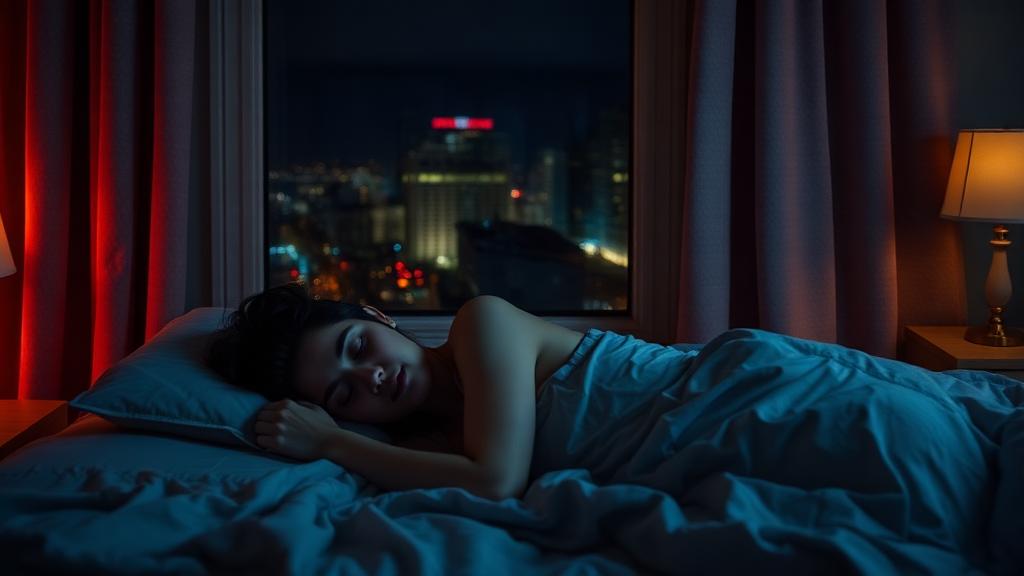
Snoring
40–60 dB
Safe exposure
All-day OK
Per NIOSH 85 dBA / 8 h reference (3 dB exchange rate)
Personalized verdict
Is this dangerous for you?
Snoring
50 dB
Typical
Your room
— dB
Tap Compare
Difference
—
Waiting
Audio is processed locally in your browser — nothing is recorded or sent. Prefer the full meter? Open Snap dB
Compare Snoring to:
Quick Answer
A decibel (dB) is a logarithmic unit used to measure sound intensity: an increase of 10 dB means ten times more sound energy.
Average snoring measures 40–60 dB, roughly as loud as a normal conversation. Heavy snoring can reach 70–90+ dB — as loud as a vacuum cleaner or lawnmower. At these levels, it significantly disrupts sleep for bed partners and may indicate sleep apnea.
📊 Similar in loudness to moderate rainfall (about 50 dB).
At a glance
| Typical range | 40–60 dB |
|---|---|
| Safety tier | Safe |
| Safe exposure (NIOSH REL) | All-day OK |
| Audible at | ~10–15 ft |
Louder than a refrigerator humming (35 dB), quieter than a busy restaurant (65 dB).
How these figures were determined: Values are based on published reference levels from NIOSH, OSHA, the WHO and the CDC, together with manufacturer specifications where available. Actual sound levels vary with distance, room acoustics, equipment condition and measurement method, and readings taken with a phone microphone are estimates rather than calibrated measurements.
How Many Decibels Is Snoring?
Snoring is far louder than most people realize. Light snoring produces about 40 dB — similar to a quiet library. Moderate snoring reaches 50–60 dB, comparable to normal conversation. Heavy snoring can hit 70–80 dB, matching a vacuum cleaner.
In extreme cases, snoring has been measured above 90 dB. The Guinness World Record for the loudest snore is reportedly 93 dB — as loud as a running lawnmower just a few feet away.
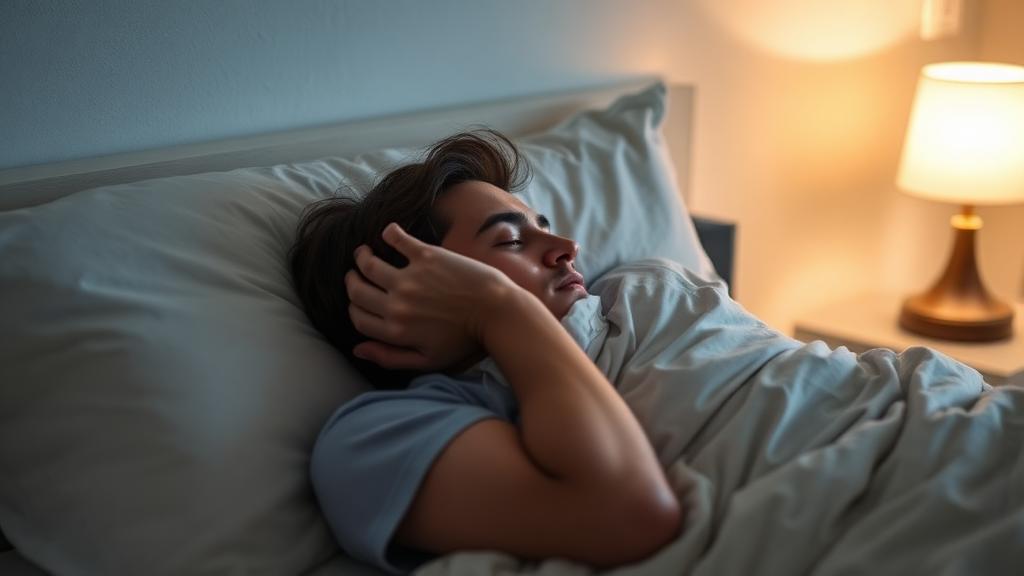
Your ears can't tell you the real danger level here…
Noise Level: Snoring
Classification
Safe
Safe Exposure
No time limit
How Snoring Affects Sleep Quality
The WHO recommends nighttime noise levels below 40 dB for healthy sleep. Even moderate snoring at 50–60 dB exceeds this threshold, causing micro-awakenings that fragment sleep quality for bed partners.
Research shows that partners of heavy snorers lose an average of one hour of sleep per night. Over time, this contributes to daytime fatigue, irritability, and increased health risks.
Typical Sound Levels
Most noise-induced hearing loss happens gradually — without any pain…
A 10 dB increase sounds roughly twice as loud to human ears, even though the actual sound energy increases tenfold.
Measure Your Environment
Use Snap Decibel Meter to estimate the sound level around you right now.
Open Noise MeterWhen Snoring Is a Health Warning
Loud snoring above 60 dB, especially if accompanied by breathing pauses, gasping, or choking sounds, may indicate obstructive sleep apnea (OSA). This is a serious medical condition linked to cardiovascular disease, stroke, and diabetes.
If your snoring regularly exceeds 70 dB, or if your partner reports breathing interruptions, consult a healthcare provider. You can use Snap Decibel Meter to measure your snoring levels and share the data with your doctor.
How to Measure Snoring Noise
Place your phone on the nightstand about 1 meter from the snorer. Open Snap Decibel Meter before bedtime and let it run to capture peak levels throughout the night.
Morning readings will show peak dB levels and average noise exposure. This data helps you understand severity and track whether interventions (sleeping position changes, nasal strips, etc.) actually reduce noise levels.
Most people underestimate this sound — don't be one of them.
Snoring Noise: The Complete Breakdown
Measurement of snoring at 40–60 dB is well within the capability of both professional instruments (Type 1 and Type 2 sound level meters) and calibrated smartphone apps. At this level, the signal-to-noise ratio is favorable, meaning background noise is unlikely to corrupt your measurement if you follow basic methodology.
Sounds at 50 dB are typically described as "noticeable but not intrusive." For reference, a quiet residential street at night registers about 30–40 dB. At 40–60 dB, snoring is audible but won't interfere with daily activities, phone calls, or focus work for most people.
Room acoustics have a major impact on how loud snoring actually sounds. Hard, reflective surfaces (tile, glass, concrete) create reverberation that can increase the effective level by 5–10 dB. Soft materials like curtains, carpet, and upholstered furniture absorb sound waves and make the same source noticeably quieter.
Sound Comparison: Snoring on the Decibel Scale
At 40–60 dB, snoring produces roughly the same sound pressure level as moderate rainfall (50 dB). Both sit in the "noticeable but comfortable" range. If you've experienced one, you have a reliable reference for the other — though the frequency content and temporal pattern make each sound subjectively different.
On the quieter end, a refrigerator humming registers about 35 dB — that's 15 dB below snoring, representing roughly 3× less perceived loudness. Moving louder, a busy restaurant reaches 65 dB — 15 dB above snoring, approximately 3× louder to your ears.
The decibel scale is logarithmic — each 10 dB increase represents a tenfold jump in sound energy and roughly a doubling of perceived loudness. At 40–60 dB, snoring carries 100,000× more acoustic energy than the threshold of hearing (0 dB), placing it in a well-characterized region of the audible spectrum.
Managing Snoring Noise in Your Environment
At 60 dB, snoring is well within safe levels and poses no hearing risk. The following tips focus on comfort optimization — creating the most pleasant acoustic environment rather than preventing health damage.
The most effective noise reduction combines source treatment, path interruption, and receiver protection — the "source-path-receiver" model used by acoustic engineers. For snoring at 60 dB, start at the source (can you reduce the noise output?), then address the path (can you add distance, barriers, or absorption?), and finally protect yourself (hearing protection, time limits).
- Monitor cumulative daily exposure — multiple moderate sources compound over time
- Increase distance from snoring when possible — every doubling cuts the level by 6 dB
- Measure snoring noise with a smartphone app to establish your actual exposure level
- Add soft furnishings (rugs, curtains, upholstered furniture) to absorb reflected snoring sound
- Close doors and seal gaps between rooms to reduce transmitted noise by 15–25 dB
Measuring Snoring Noise: Methods and Tools
To measure snoring noise as accurately as possible, use a dedicated Type 2 sound level meter or a calibrated smartphone app such as NIOSH SLM. Snap Decibel Meter gives you a fast relative estimate — useful for comparing environments, but uncalibrated and unweighted. Position the device at 1 meter from the source, at the height where you'd normally hear it. Take readings over 30–60 seconds and note both average (Leq) and peak (Lmax) values.
When measuring quiet sounds like snoring, background noise is your biggest challenge. Ensure the environment is at least 10 dB quieter than the source — turn off other appliances, close windows, and measure during quiet hours. Consumer smartphone apps have a noise floor of about 30–35 dB, which limits their usefulness for very quiet sounds.
Snoring Noise and Your Health
At 60 dB, snoring presents no risk to your hearing or physical health. The human auditory system handles sounds below 70 dB comfortably and indefinitely. In fact, moderate ambient sound in the 40–60 dB range has been shown to improve creative thinking and reduce the stress associated with complete silence, which some people find unsettling or anxiety-inducing.
Understanding snoring noise at 60 dB builds the acoustic awareness that protects you in genuinely dangerous situations. People who understand the decibel scale recognize hazardous noise faster, seek protection sooner, and make better decisions about their sound environment — whether choosing a restaurant, buying a home, or operating power tools.
Measure Snoring Noise Yourself
Want to know how loud snoring is in your own environment? Use our free decibel meter to take a real-time reading, or check the complete decibel chart to see where 40–60 dB sits on the full scale. You can also compare sounds side by side or use the noise distance calculator to estimate levels at different distances.
🎯 Guess the Decibel Level
How loud do you think Snoring is? Drag the slider and find out!
Frequently Asked Questions
How loud is average snoring?
Average snoring measures about 40–60 dB, similar to normal conversation. However, many snorers reach 60–70 dB regularly, which is loud enough to disrupt a bed partner's sleep.
Can snoring be as loud as a lawnmower?
Yes. Heavy snoring can reach 80–90+ dB, comparable to a lawnmower or vacuum cleaner. The loudest recorded snore exceeded 93 dB.
Is loud snoring dangerous?
Loud snoring itself doesn't damage the snorer's hearing, but it often indicates obstructive sleep apnea — a serious condition. It also chronically disrupts the bed partner's sleep health.
How can I measure snoring with my phone?
Place your phone on the nightstand and open Snap Decibel Meter. Let it run overnight to capture peak levels. Check the peak dB reading in the morning.
What's a safe noise level for sleeping?
The WHO recommends below 40 dB for restful sleep. Any snoring above 40 dB may affect sleep quality for the person nearby.
Explore More
Related Noise Guides
The Complete Guide to Noise Levels and Decibels
The definitive resource covering everything about noise levels, decibels, safe sound exposure, and how to measure environmental noise — from whispers to jet engines.
25 min readSafe Sound LevelsWhat Noise Level Is Safe for Humans?
Understand recommended noise exposure limits and how long you can safely be exposed to different sound levels without risking hearing damage.
8 min readNoise BasicsTypical Noise Levels in Everyday Life
A comprehensive guide to common sound levels you encounter daily, from whispers to concerts, with practical decibel comparisons.
10 min readHome NoiseWhat Noise Level Is Too Loud for Sleep?
Find out the recommended noise levels for healthy sleep and how environmental noise affects rest quality, plus practical tips for a quieter bedroom.
9 min readHow Does Snoring Compare?
Tap any sound to learn more about its noise level.
| Sound level | Sound | Vs. Snoring | Risk |
|---|---|---|---|
| 50 dB | Snoring (this page) | — | Safe |
| 38 dB | Ceiling Fan | −12 dB quieter | Safe |
| 38 dB | Rain | −12 dB quieter | Safe |
| 40 dB | What Noise Level Is Too Loud for Sleep | −10 dB quieter | Safe |
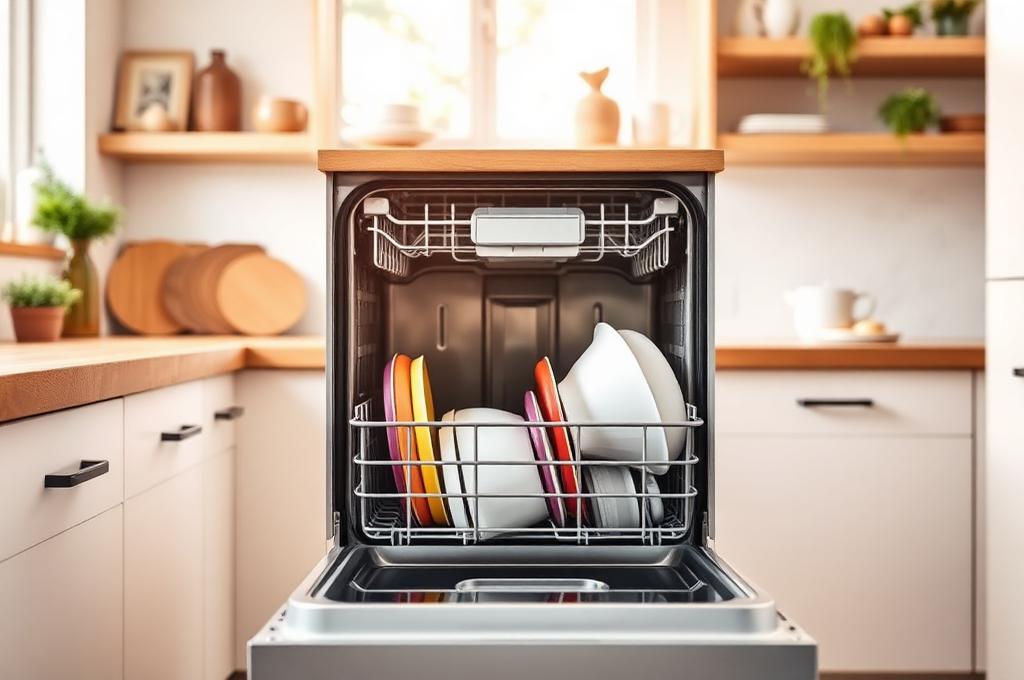
| 48 dB | Dishwasher | −2 dB quieter | Safe |
| 63 dB | School Classroom | +13 dB louder | Moderate |
| 63 dB | Television | +13 dB louder | Moderate |
Compare With Other Sounds
See how this noise level compares to other everyday sounds.
Test Your Environment
Use Snap Decibel Meter to measure sound levels around you — free, private, and instant.
Start Noise Measurement