How Loud Is a Power Drill? Decibel Levels and Safety
Power drills produce 85–100 dB — firmly in the range where hearing protection is recommended. Here's what you need to know.
Reviewed by our team against authoritative public-health sources. See our editorial standards.
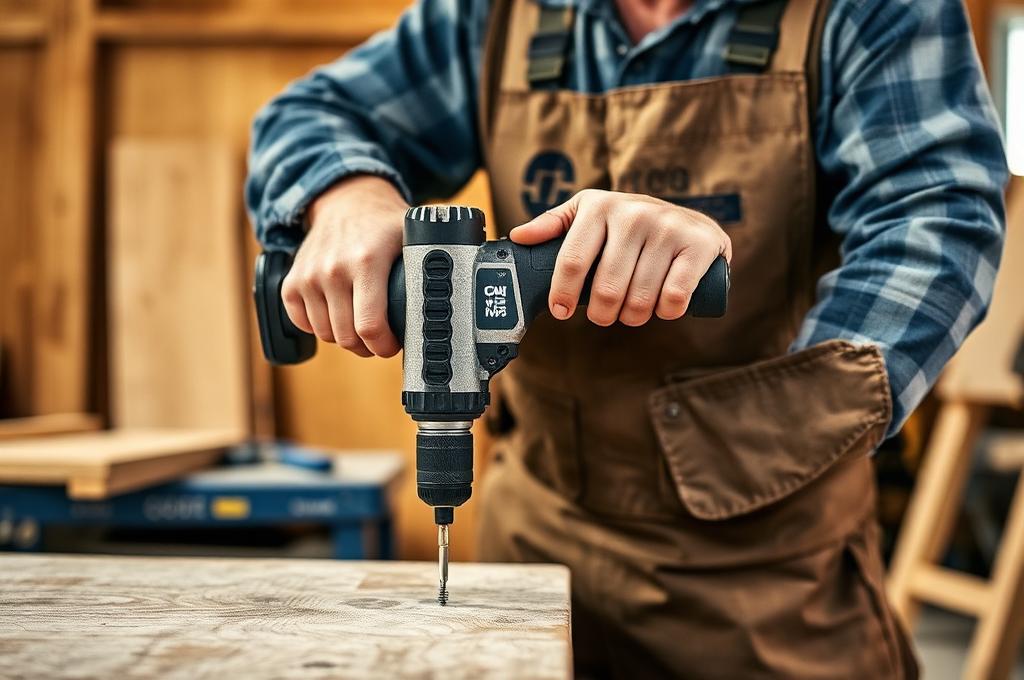
Power Drill
85–100 dB
Safe exposure
7 minutes
Per NIOSH 85 dBA / 8 h reference (3 dB exchange rate)
Above 85 dB can damage hearing with prolonged exposure. Use ear protection.
Personalized verdict
Is this dangerous for you?
Power Drill
93 dB
Typical
Your room
— dB
Tap Compare
Difference
—
Waiting
Audio is processed locally in your browser — nothing is recorded or sent. Prefer the full meter? Open Snap dB
Compare Power Drill to:
Quick Answer
A decibel (dB) is a logarithmic unit used to measure sound intensity: an increase of 10 dB means ten times more sound energy.
A power drill typically produces 85–100 dB depending on the drill type, speed setting, and material being drilled. Hearing protection is recommended for all power drill use.
📊 Similar in loudness to a motorcycle at 25 feet (about 95 dB).
At a glance
| Typical range | 85–100 dB |
|---|---|
| Safety tier | Loud |
| Safe exposure (NIOSH REL) | 15 minutes |
| Audible at | ~50+ ft |
Louder than a garbage disposal (80 dB), quieter than a helicopter overhead at 100 feet (105 dB).
How these figures were determined: Values are based on published reference levels from NIOSH, OSHA, the WHO and the CDC, together with manufacturer specifications where available. Actual sound levels vary with distance, room acoustics, equipment condition and measurement method, and readings taken with a phone microphone are estimates rather than calibrated measurements.
How Many Decibels Is a Power Drill?
A cordless power drill at moderate speed produces approximately 85–90 dB. When drilling into hard materials like concrete or metal, noise levels increase to 95–100 dB due to increased friction and vibration. Hammer drills and impact drivers are the loudest, reaching 100–110 dB.
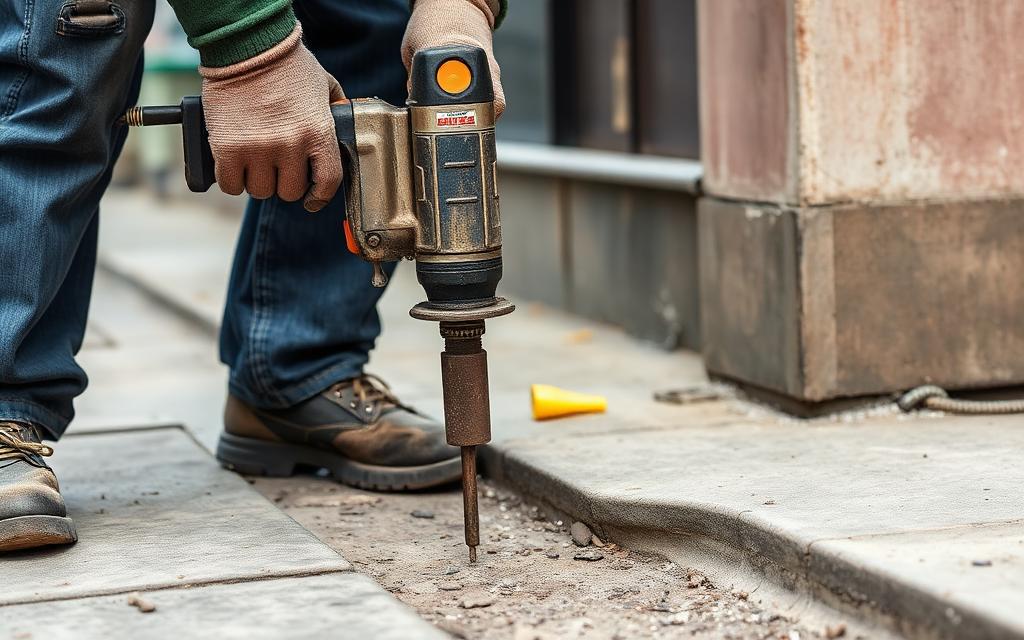
The noise varies significantly with what you're drilling. Softwood produces the least noise (85–90 dB), hardwood and metal are moderately loud (90–95 dB), and concrete or masonry drilling with a hammer drill is the loudest (95–110 dB).
Most people are surprised by how loud this actually is…
Noise Level: Power Drill
Classification
Loud – Hearing Risk
Safe Exposure
2 hours
Noise Factors for Power Drills
Multiple variables influence how loud a drill is in practice:
- Drill type: standard < impact driver < hammer drill
- Material: softwood < hardwood < metal < concrete
- Bit condition: dull bits require more force, creating more noise
- Speed setting: higher RPM = louder operation
- Environment: indoor use creates louder reflections than outdoor
Typical Sound Levels
Beyond this level, your hearing cells don't recover…
Noise pollution increases the risk of cardiovascular disease — chronic exposure to traffic noise above 65 dB raises heart attack risk by 20%.
Measure Your Environment
Use Snap Decibel Meter to estimate the sound level around you right now.
Open Noise MeterHearing Protection for Drilling
At 85–100 dB, power drills are firmly in the range where hearing protection is recommended by NIOSH, and where OSHA’s 85 dBA action level applies at work. At 85 dBA, the NIOSH recommended limit is about 8 hours. At 100 dB, it's only 15 minutes — less time than most drilling projects take.
For DIY projects, foam earplugs (NRR 29–33) are sufficient. For professional construction workers using power drills daily, earmuffs or custom-molded earplugs provide better long-term protection and comfort.
Measure Drill Noise in Your Workspace
Use Snap Decibel Meter to check noise levels during different drilling operations. This can help you determine when hearing protection is essential and how much noise reduction you need. Check our decibel level chart for context on safe exposure times.
The difference between 'fine' and 'damaging' is smaller than you think.
Understanding Power Drill Noise Levels
Your subjective experience of power drill at 85–100 dB depends on more than just the decibel number. Duration, frequency content, temporal pattern (steady vs. intermittent), predictability, controllability, and your attitude toward the source all influence the annoyance response. Two sounds at identical decibel levels can produce vastly different subjective reactions.
Noise at 85–100 dB from power drill exceeds the maximum level that any regulatory body considers safe for unlimited exposure. At this intensity, sound energy is sufficient to physically damage the stereocilia (hair-like structures) on inner ear sensory cells. These structures do not regenerate in mammals — every exposure above safe limits contributes to permanent, cumulative hearing loss.
Room acoustics have a major impact on how loud power drill actually sounds. Hard, reflective surfaces (tile, glass, concrete) create reverberation that can increase the effective level by 5–10 dB. Soft materials like curtains, carpet, and upholstered furniture absorb sound waves and make the same source noticeably quieter.
Power Drill vs. Common Noise Sources
At 85–100 dB, power drill produces roughly the same sound pressure level as a motorcycle at 25 feet (95 dB). Both sit in the "significant noise" range. If you've experienced one, you have a reliable reference for the other — though the frequency content and temporal pattern make each sound subjectively different.
On the quieter end, a garbage disposal registers about 80 dB — that's 13 dB below power drill, representing roughly 2× less perceived loudness. Moving louder, a helicopter overhead at 100 feet reaches 105 dB — 12 dB above power drill, approximately 2× louder to your ears.
The decibel scale is logarithmic — each 10 dB increase represents a tenfold jump in sound energy and roughly a doubling of perceived loudness. At 85–100 dB, power drill carries 1,995,262,315× more acoustic energy than the threshold of hearing (0 dB), placing it in a well-characterized region of the audible spectrum.
Safe Exposure Duration for Power Drill
According to NIOSH guidelines, the maximum safe exposure time at 100 dB is 15 minutes. Even brief exposure requires hearing protection.
NIOSH Exposure Limits Reference
Hearing Protection Strategies for Power Drill
At 100 dB, power drill exceeds the hearing damage threshold of 85 dB. Your approach to protection should match your exposure: brief, infrequent contact (minutes per week) poses minimal risk even unprotected, but regular exposure (daily or weekly for 30+ minutes) demands consistent use of NRR 20+ hearing protection to prevent cumulative damage.
The most effective noise reduction combines source treatment, path interruption, and receiver protection — the "source-path-receiver" model used by acoustic engineers. For power drill at 100 dB, start at the source (can you reduce the noise output?), then address the path (can you add distance, barriers, or absorption?), and finally protect yourself (hearing protection, time limits).
- Monitor cumulative daily exposure — multiple moderate sources compound over time
- Increase distance from power drill when possible — every doubling cuts the level by 6 dB
- Measure power drill noise with a smartphone app to establish your actual exposure level
- Add soft furnishings (rugs, curtains, upholstered furniture) to absorb reflected power drill sound
- Close doors and seal gaps between rooms to reduce transmitted noise by 15–25 dB
Test It Yourself: Measuring Power Drill Noise
To measure power drill noise as accurately as possible, use a dedicated Type 2 sound level meter or a calibrated smartphone app such as NIOSH SLM. Snap Decibel Meter gives you a fast relative estimate — useful for comparing environments, but uncalibrated and unweighted. Position the device at 1 meter from the source, at the height where you'd normally hear it. Take readings over 30–60 seconds and note both average (Leq) and peak (Lmax) values.
Measuring loud sounds like power drill at 93 dB requires caution — the measurement process itself exposes you to potentially damaging noise. Wear hearing protection during measurement sessions, use a remote microphone or tripod placement when possible, and limit measurement duration to the minimum needed for representative data.
How Power Drill Noise Affects Your Health
The progression of hearing damage from power drill exposure follows a predictable pattern: first, temporary threshold shift (sounds seem muffled after exposure), then persistent tinnitus (ringing or buzzing that doesn't resolve), then permanent threshold shift (measurable hearing loss on audiometric testing). Early-stage damage is often unnoticed because the brain compensates by "filling in" missing signals from context.
Warning signs of overexposure to power drill noise include: ringing, buzzing, or hissing in the ears after exposure; speech sounding muffled or distant; difficulty following conversations in restaurants or social settings; and needing to gradually increase TV or headphone volume. If you experience any of these after exposure to power drill, reduce future exposure immediately and consult an audiologist.
Warning Signs of Overexposure
- Ringing, buzzing, or hissing in your ears after exposure to power drill
- Sounds seem muffled or distant after leaving the noisy environment
- Difficulty understanding speech in crowded or noisy settings
- Gradually increasing your TV or headphone volume over weeks
Measure Power Drill Noise Yourself
Want to know how loud power drill is in your own environment? Use our free decibel meter to take a real-time reading, or check the complete decibel chart to see where 85–100 dB sits on the full scale. You can also compare sounds side by side or use the noise distance calculator to estimate levels at different distances.
🎯 Guess the Decibel Level
How loud do you think Power Drill is? Drag the slider and find out!
Frequently Asked Questions
Should I wear hearing protection for occasional drilling?
Yes, it's recommended even for brief drilling projects. At 90+ dB, just 30 minutes of drilling exceeds safe exposure recommendations. Foam earplugs are inexpensive and effective.
Are cordless drills quieter than corded?
Generally, cordless drills at lower speeds are slightly quieter. However, when drilling at full speed into hard materials, the noise levels are comparable between corded and cordless models.
Explore More
Related Noise Guides
The Complete Guide to Noise Levels and Decibels
The definitive resource covering everything about noise levels, decibels, safe sound exposure, and how to measure environmental noise — from whispers to jet engines.
25 min readSafe Sound LevelsWhat Noise Level Is Safe for Humans?
Understand recommended noise exposure limits and how long you can safely be exposed to different sound levels without risking hearing damage.
8 min readWorkplace NoiseHow Loud Is Construction Noise?
Learn about typical construction site noise levels, when hearing protection becomes necessary, and how nearby residents are affected.
9 min readEnvironmental NoiseHow Loud Is a Leaf Blower? Decibel Levels and Hearing Risks
Leaf blower noise depends entirely on who is listening. At the operator's ear a gas blower runs 95–105 dBA; a neighbour 15 metres away hears 65–75 dBA. Here are the numbers, distance by distance.
10 min readHow Does Power Drill Compare?
Tap any sound to learn more about its noise level.
| Sound level | Sound | Vs. Power Drill | Risk |
|---|---|---|---|
| 93 dB | Power Drill (this page) | — | Loud |
| 80 dB | Construction Noise | −13 dB quieter | Moderate |
| 82 dB | Woodpecker | −11 dB quieter | Moderate |
| 85 dB | What Noise Level Is Safe for Humans | −8 dB quieter | Moderate |
| 85 dB | Dog Bark | −8 dB quieter | Moderate |
| 105 dB | Baby Cry | +12 dB louder | Danger |
| 105 dB | Car Horn | +12 dB louder | Danger |
Compare With Other Sounds
See how this noise level compares to other everyday sounds.

Test Your Environment
Use Snap Decibel Meter to measure sound levels around you — free, private, and instant.
Start Noise Measurement