How Loud Is a Washing Machine? Decibel Levels Explained
Washing machines produce 50–75 dB, with the spin cycle creating the most noise. Here's what affects the volume and how to minimize it.
Reviewed by our team against authoritative public-health sources. See our editorial standards.
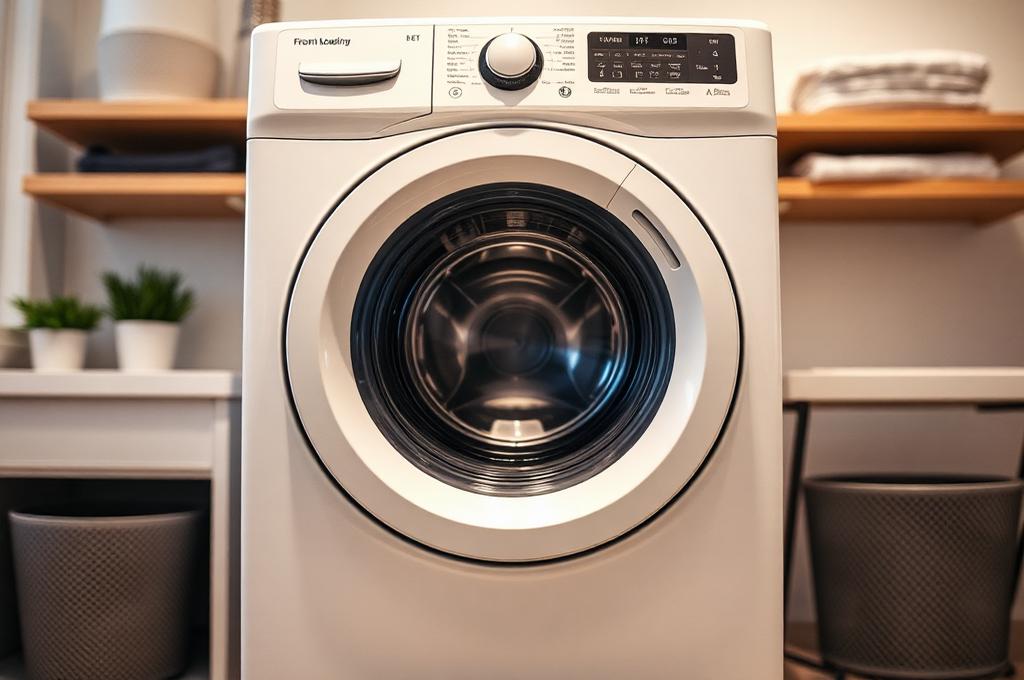
Washing Machine
50–60 dB
Safe exposure
All-day OK
Per NIOSH 85 dBA / 8 h reference (3 dB exchange rate)
Personalized verdict
Is this dangerous for you?
Washing Machine
55 dB
Typical
Your room
— dB
Tap Compare
Difference
—
Waiting
Audio is processed locally in your browser — nothing is recorded or sent. Prefer the full meter? Open Snap dB
Compare Washing Machine to:
Quick Answer
A decibel (dB) is a logarithmic unit used to measure sound intensity: an increase of 10 dB means ten times more sound energy.
A washing machine typically produces 50–60 dB during the wash cycle and 65–75 dB during the spin cycle. Front-loaders are generally quieter than top-loaders.
📊 Similar in loudness to a coffee shop (about 55 dB).
At a glance
| Typical range | 50–60 dB |
|---|---|
| Safety tier | Safe |
| Safe exposure (NIOSH REL) | All-day OK |
| Audible at | ~10–15 ft |
Louder than a quiet office (45 dB), quieter than a busy restaurant (65 dB).
How these figures were determined: Values are based on published reference levels from NIOSH, OSHA, the WHO and the CDC, together with manufacturer specifications where available. Actual sound levels vary with distance, room acoustics, equipment condition and measurement method, and readings taken with a phone microphone are estimates rather than calibrated measurements.
How Many Decibels Is a Washing Machine?
During the wash cycle, most machines produce 50–60 dB — comparable to moderate rainfall or a quiet conversation. The spin cycle is significantly louder at 65–75 dB due to the high-speed drum rotation, particularly during the final high-speed spin that extracts water from clothes.
Front-loading machines are typically 3–8 dB quieter than top-loaders because their balanced drum design creates less vibration. Premium models with anti-vibration technology can reduce spin-cycle noise to 60–68 dB.
This might be louder than you think…
Noise Level: Washing Machine
Classification
Safe
Safe Exposure
No time limit
What Makes Washing Machines Loud?
The spin cycle is the primary noise source, but several factors affect overall volume:
- Spin speed: higher RPM means louder operation but better water extraction
- Load balance: unbalanced loads cause excessive vibration and noise
- Floor surface: machines on upper floors or weak flooring vibrate more
- Leveling: an unlevel machine vibrates excessively
- Age: worn bearings and drum mounts increase noise over time
- Type: front-loaders are quieter than top-loaders
Typical Sound Levels
Here's where it becomes dangerous…
Sound travels about 4.3 times faster through water than through air — roughly 1,480 m/s vs 343 m/s.
Measure Your Environment
Use Snap Decibel Meter to estimate the sound level around you right now.
Open Noise MeterNoise Safety and Living Comfort
Washing machines are well below hearing damage thresholds even at peak spin-cycle volume. The primary concern is comfort and sleep disruption. In apartments with shared laundry areas, running a washing machine at night can disturb neighbors through vibration transmitted through floors.
If your washing machine is near bedrooms, running it during the evening rather than late at night, and using lower spin speeds, can significantly reduce noise impact.
Measure Your Washing Machine's Noise
Use Snap Decibel Meter to measure your washing machine during different cycle phases. Note the difference between wash, rinse, and spin cycles. If spin-cycle noise exceeds 72 dB, check that the machine is level and the load is balanced.
Now that you know the real level, test your own environment.
Understanding Washing Machine Noise Levels
Your subjective experience of washing machine at 50–60 dB depends on more than just the decibel number. Duration, frequency content, temporal pattern (steady vs. intermittent), predictability, controllability, and your attitude toward the source all influence the annoyance response. Two sounds at identical decibel levels can produce vastly different subjective reactions.
At 50–60 dB, washing machine is roughly equivalent to the ambient level inside a typical car on a highway. It's the kind of sound that becomes "normal" — you adapt to it, but it's measurably affecting your stress physiology. The European Environment Agency estimates that 113 million Europeans live with traffic noise above 55 dB, a threshold linked to adverse health outcomes.
Room acoustics have a major impact on how loud washing machine actually sounds. Hard, reflective surfaces (tile, glass, concrete) create reverberation that can increase the effective level by 5–10 dB. Soft materials like curtains, carpet, and upholstered furniture absorb sound waves and make the same source noticeably quieter.
Washing Machine vs. Common Noise Sources
The closest everyday comparison to washing machine at 50–60 dB is a coffee shop, which registers at 55 dB. Both sounds occupy the same energy band and present similar exposure considerations, though their frequency profiles and duration patterns create distinct listening experiences.
On the quieter end, a quiet office registers about 45 dB — that's 10 dB below washing machine, representing roughly 2× less perceived loudness. Moving louder, a busy restaurant reaches 65 dB — 10 dB above washing machine, approximately 2× louder to your ears.
The decibel scale is logarithmic — each 10 dB increase represents a tenfold jump in sound energy and roughly a doubling of perceived loudness. At 50–60 dB, washing machine carries 316,228× more acoustic energy than the threshold of hearing (0 dB), placing it in a well-characterized region of the audible spectrum.
Tips for a Quieter Washing Machine Experience
At 60 dB, washing machine is well within safe levels and poses no hearing risk. The following tips focus on comfort optimization — creating the most pleasant acoustic environment rather than preventing health damage.
The most effective noise reduction combines source treatment, path interruption, and receiver protection — the "source-path-receiver" model used by acoustic engineers. For washing machine at 60 dB, start at the source (can you reduce the noise output?), then address the path (can you add distance, barriers, or absorption?), and finally protect yourself (hearing protection, time limits).
- Measure washing machine noise with a smartphone app to establish your actual exposure level
- Add soft furnishings (rugs, curtains, upholstered furniture) to absorb reflected washing machine sound
- Close doors and seal gaps between rooms to reduce transmitted noise by 15–25 dB
- Wear NRR 20+ hearing protection if washing machine exposure exceeds 85 dB
- Monitor cumulative daily exposure — multiple moderate sources compound over time
Test It Yourself: Measuring Washing Machine Noise
To measure washing machine noise as accurately as possible, use a dedicated Type 2 sound level meter or a calibrated smartphone app such as NIOSH SLM. Snap Decibel Meter gives you a fast relative estimate — useful for comparing environments, but uncalibrated and unweighted. Position the device at 1 meter from the source, at the height where you'd normally hear it. Take readings over 30–60 seconds and note both average (Leq) and peak (Lmax) values.
For sounds at 55 dB like washing machine, most smartphone decibel meter apps provide reasonably accurate readings (typically within ±3–5 dB of professional equipment). For more precision, calibrate your app against a known reference sound or use a dedicated Type 2 sound level meter. The key to accuracy is consistent positioning and adequate sampling time.
How Washing Machine Noise Affects Your Well-Being
At 60 dB, washing machine presents no risk to your hearing or physical health. The human auditory system handles sounds below 70 dB comfortably and indefinitely. In fact, moderate ambient sound in the 40–60 dB range has been shown to improve creative thinking and reduce the stress associated with complete silence, which some people find unsettling or anxiety-inducing.
Understanding washing machine noise at 60 dB builds the acoustic awareness that protects you in genuinely dangerous situations. People who understand the decibel scale recognize hazardous noise faster, seek protection sooner, and make better decisions about their sound environment — whether choosing a restaurant, buying a home, or operating power tools.
Measure Washing Machine Noise Yourself
Want to know how loud washing machine is in your own environment? Use our free decibel meter to take a real-time reading, or check the complete decibel chart to see where 50–60 dB sits on the full scale. You can also compare sounds side by side or use the noise distance calculator to estimate levels at different distances.
🎯 Guess the Decibel Level
How loud do you think Washing Machine is? Drag the slider and find out!
Frequently Asked Questions
Why is my washing machine so loud during spin?
The spin cycle is the loudest phase because the drum rotates at 800–1600 RPM. Unbalanced loads amplify this significantly. Check that clothes are evenly distributed and the machine is level.
Are front-loaders quieter than top-loaders?
Generally yes. Front-loaders produce 3–8 dB less noise due to their balanced horizontal drum design, which generates less vibration.
Explore More
Related Noise Guides
The Complete Guide to Noise Levels and Decibels
The definitive resource covering everything about noise levels, decibels, safe sound exposure, and how to measure environmental noise — from whispers to jet engines.
25 min readNoise BasicsTypical Noise Levels in Everyday Life
A comprehensive guide to common sound levels you encounter daily, from whispers to concerts, with practical decibel comparisons.
10 min readHome NoiseWhat Noise Level Is Too Loud for Sleep?
Find out the recommended noise levels for healthy sleep and how environmental noise affects rest quality, plus practical tips for a quieter bedroom.
9 min readHome NoiseHow Loud Is a Dishwasher? Decibel Levels Explained
Modern dishwashers produce 40–60 dB — quieter than many people think. Here's how to interpret dishwasher noise ratings.
5 min readHow Does Washing Machine Compare?
Tap any sound to learn more about its noise level.
| Sound level | Sound | Vs. Washing Machine | Risk |
|---|---|---|---|
| 55 dB | Washing Machine (this page) | — | Safe |
| 40 dB | What Noise Level Is Too Loud for Sleep | −15 dB quieter | Safe |
| 40 dB | 40 Decibels | −15 dB quieter | Safe |
| 48 dB | Dishwasher | −7 dB quieter | Safe |
| 63 dB | School Classroom | +8 dB louder | Moderate |
| 68 dB | Crowd Noise | +13 dB louder | Moderate |
| 68 dB | Treadmill | +13 dB louder | Moderate |
Compare With Other Sounds
See how this noise level compares to other everyday sounds.
Test Your Environment
Use Snap Decibel Meter to measure sound levels around you — free, private, and instant.
Start Noise Measurement