dB Comparison Chart: 30, 60, 90 & 120 dB Explained
30 dB sounds like a quiet whisper. 60 dB is a normal conversation. 90 dB is a lawn mower. 120 dB is the threshold of pain. Learn what each level actually feels like.
Reviewed by our team against authoritative public-health sources. See our editorial standards.

Quick Answer
30 dB sounds like a quiet whisper. 60 dB is a normal conversation. 90 dB is as loud as a lawn mower. 120 dB is the threshold of pain — like standing near a jet engine. Each 10 dB increase sounds roughly twice as loud.
Why Understanding Decibel Levels Matters
Most people have heard the term "decibel" but have no idea what 80 dB actually feels like compared to 40 dB.
The problem is that decibels are not intuitive. The scale is logarithmic, which means small numbers represent huge differences in actual sound energy.
- Know when your environment is too loud
- Make informed decisions about hearing protection
- Recognize risks before damage occurs
This might be louder than you think…
What 30 dB Sounds Like
At 30 dB, you're in near silence.
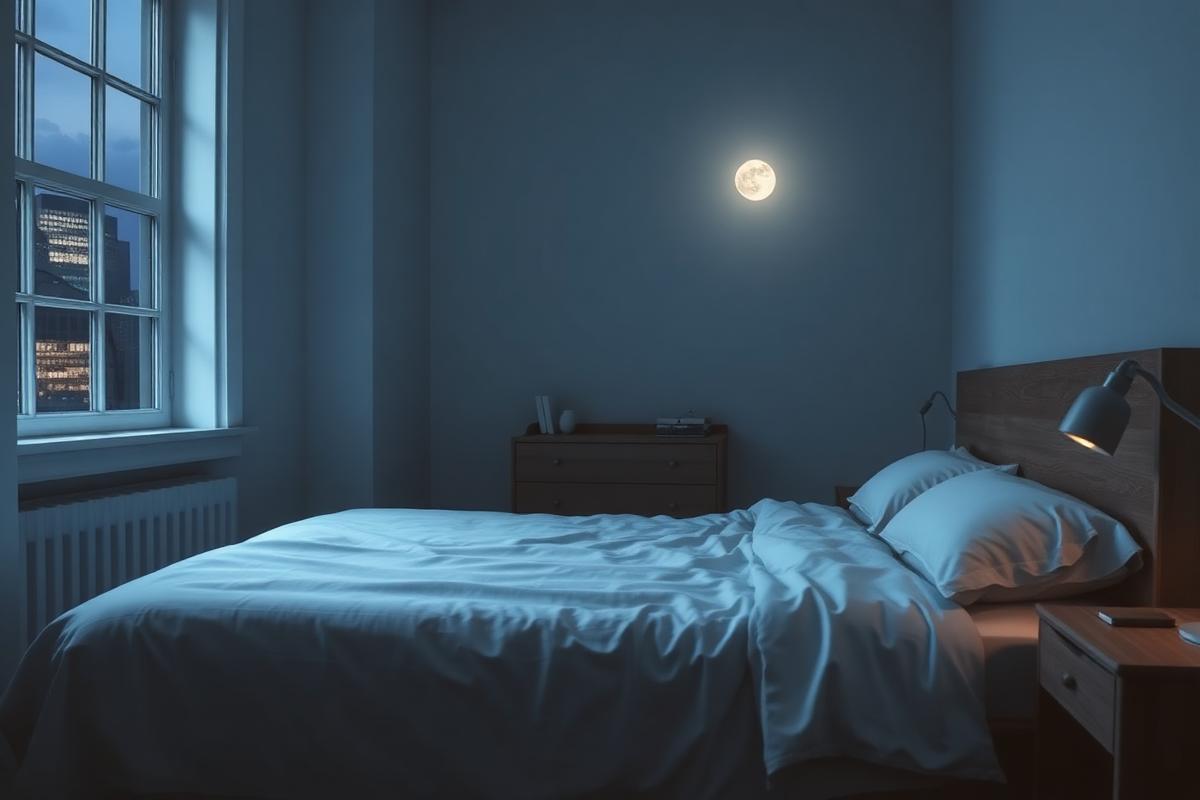
This level is calm and comfortable. You can hear the smallest ambient sounds — a clock ticking, your own breathing. Most people sleep best in environments around 30 dB.
- A quiet bedroom at night
- Rustling leaves in a gentle breeze
- A whispered conversation from a few feet away
Typical Sound Levels
Here's where it becomes dangerous…
Sound travels about 4.3 times faster through water than through air — roughly 1,480 m/s vs 343 m/s.
Measure Your Environment
Use Snap Decibel Meter to estimate the sound level around you right now.
Open Noise MeterWhat 60 dB Sounds Like
60 dB is the sound of everyday life.
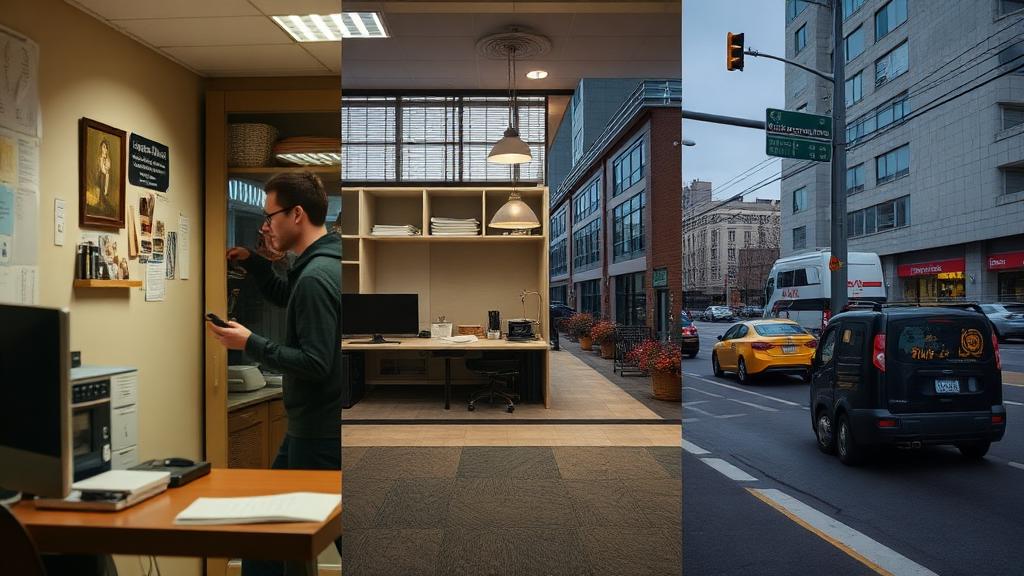
At 60 dB, sound is clearly audible but not uncomfortable. You can talk normally without raising your voice. This is the level most people consider "comfortable" for work and socializing.
- Normal conversation at arm's length
- Background music in a café
- An air conditioning unit running
What 90 dB Sounds Like
At 90 dB, sound becomes forceful.
You'll instinctively want to raise your voice. Prolonged exposure (more than 2 hours) at this level can begin to damage your hearing.
90 dB is only 5 dB above the danger threshold, yet many people are exposed to this level daily without realizing it.
- A gas-powered lawn mower
- A blender at full speed
- Heavy city traffic from the sidewalk
- A shouted conversation
What 120 dB Sounds Like
120 dB is the threshold of pain.
At this level, sound is physically uncomfortable. You may feel pressure in your ears, and even brief exposure can cause temporary or permanent hearing damage.
Standing near speakers at a nightclub often exceeds 120 dB. That's why many musicians and DJs develop hearing loss and tinnitus over time.
- Standing 100 feet from a jet engine
- A thunderclap directly overhead
- A rock concert at the front row
- An ambulance siren at close range
What About the Levels In Between?
Real life doesn't happen at neat intervals. Here are some common sounds that fall between the major benchmarks:
- 45 dB — A quiet library. You can hear pages turning and the hum of the building.
- 70 dB — A shower running or a dishwasher. Noticeable but not uncomfortable.
- 80 dB — A garbage disposal or a busy restaurant. You start raising your voice.
- 100 dB — A snowmobile or a woodworking shop. Physically forceful — you feel it in your chest.
- 110 dB — A car horn from 3 feet away. Your instinct is to cover your ears immediately.
How Loud Sound Actually Feels Physically
Below 70 dB, you only hear sound. Above that, you start to feel it.
At 80–90 dB, you may notice tension in your jaw or shoulders — your body's subtle stress response. At 100 dB, you feel vibration in your chest and a pressure in your ears.
At 120 dB, sound becomes genuinely painful. Your eardrums feel like they're being pushed inward. At 140 dB, the pressure can physically rupture your eardrum.
Now that you know the real level, test your own environment.

Frequently Asked Questions
How many decibels is a normal conversation?
A normal conversation at arm's length is about 60 dB.
What does 85 dB sound like?
85 dB sounds like heavy traffic or a noisy restaurant. It's the level where prolonged exposure starts to risk hearing damage.
Is 50 dB loud?
No. 50 dB is about the level of a quiet office or moderate rainfall. It's comfortable for most people.
What is the loudest sound possible?
The theoretical loudest sound in Earth's atmosphere is about 194 dB. Beyond that, sound waves distort into shock waves.
How can I measure the dB level around me?
You can use Snap Decibel Meter to estimate the noise level in your environment using just your phone's browser. No download required.
Explore More
Related Noise Guides
The Complete Guide to Noise Levels and Decibels
The definitive resource covering everything about noise levels, decibels, safe sound exposure, and how to measure environmental noise — from whispers to jet engines.
25 min readNoise BasicsTypical Noise Levels in Everyday Life
A comprehensive guide to common sound levels you encounter daily, from whispers to concerts, with practical decibel comparisons.
10 min readNoise BasicsWhat Is a Dangerous Noise Level? (dB Explained Simply)
Any sound above 85 dB is considered dangerous with prolonged exposure. Learn what makes noise dangerous, with real-world examples and practical protection tips.
8 min readNoise BasicsWhy Are Decibels Logarithmic? (Simple Explanation)
Decibels use a logarithmic scale because human hearing covers an enormous range. A linear scale would need numbers in the trillions. Here's why that matters for your hearing.
8 min readCompare With Other Sounds
See how this noise level compares to other everyday sounds.

Test Your Environment
Use Snap Decibel Meter to measure sound levels around you — free, private, and instant.
Start Noise Measurement