How Loud Are Headphones at Max Volume? The Hidden Danger
Your headphones at max volume produce 100–120 dB — the same as a rock concert. Most people have no idea they're damaging their hearing daily.
Reviewed by our team against authoritative public-health sources. See our editorial standards.
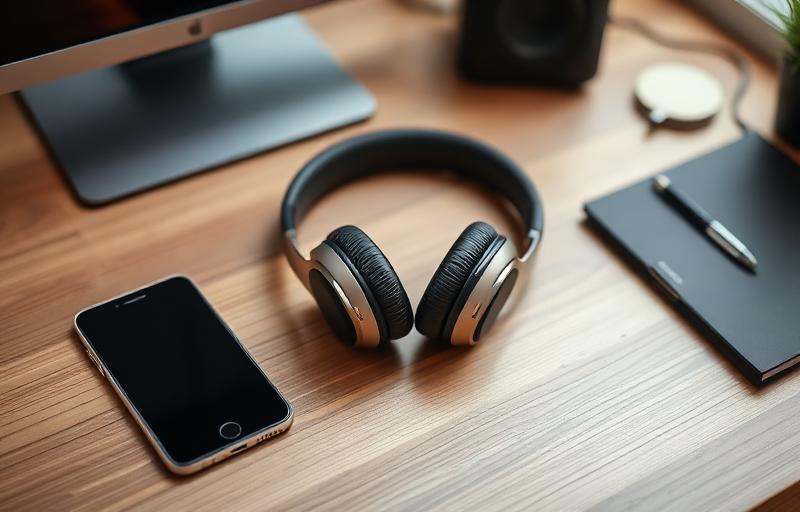
Quick Answer
A decibel (dB) is a logarithmic unit used to measure sound intensity: an increase of 10 dB means ten times more sound energy.
Most headphones produce 85–110 dB at maximum volume, with some models reaching 115–120 dB. At 100% volume, safe listening time is under 15 minutes. The WHO recommends the 60/60 rule: 60% volume for no more than 60 minutes.
📊 Similar in loudness to a nightclub dance floor (about 100 dB).
Prolonged exposure above 85 dB can damage hearing.
At a glance
| Typical range | 85–110 dB |
|---|---|
| Safety tier | Dangerous |
| Safe exposure (NIOSH REL) | < 2 minutes |
| Audible at | ~50+ ft |
Louder than a garbage disposal (80 dB), quieter than a car horn at 3 feet (115 dB).
How these figures were determined: Values are based on published reference levels from NIOSH, OSHA, the WHO and the CDC, together with manufacturer specifications where available. Actual sound levels vary with distance, room acoustics, equipment condition and measurement method, and readings taken with a phone microphone are estimates rather than calibrated measurements.
How Loud Are Headphones at Full Volume?
Most consumer headphones can produce 85–110 dB at maximum volume, with high-impedance audiophile headphones potentially reaching 115–120 dB when driven by a dedicated amplifier. At these levels, you are strapping a rock concert to your ears.
Apple AirPods and similar earbuds typically max out at 100–105 dB. Over-ear headphones can reach 110–115 dB. At 100 dB, your safe listening time is just 15 minutes — less than half of a typical commute.
The danger is amplified by proximity. Unlike speakers across a room, headphones deliver sound directly into your ear canal with no distance attenuation. Every decibel hits your cochlea at full force.
This might be louder than you think…
Noise Level: Headphones at Max Volume
Classification
Loud – Hearing Risk
Safe Exposure
30 min
The 60/60 Rule for Safe Listening
The WHO recommends the 60/60 rule as a simple guideline: listen at no more than 60% of maximum volume for no more than 60 minutes at a time. At 60% volume, most headphones produce 75–85 dB — at or just below the damage threshold.
After 60 minutes, take a 10–15 minute break to let your ears recover. This reduces cumulative exposure and gives the hair cells in your cochlea a chance to rest.
Many smartphones now include volume limiters and exposure tracking. Enable these features — they exist because headphone hearing loss is a growing public health crisis.
- 60% volume: ~75–85 dB (safe for 1–8 hours)
- 70% volume: ~85–95 dB (safe for 15 min–2 hours)
- 80% volume: ~95–105 dB (safe for under 15 minutes)
- 100% volume: ~100–120 dB (safe for seconds to minutes)
Typical Sound Levels
Here's where it becomes dangerous…
Continuous exposure to 85+ dB for 8 hours causes the same damage as 100 dB for just 15 minutes.
Measure Your Environment
Use Snap Decibel Meter to estimate the sound level around you right now.
Open Noise MeterThe Youth Hearing Loss Crisis
The WHO estimates that 1.1 billion young people (ages 12–35) are at risk of hearing loss from unsafe audio practices, primarily headphone use. This generation uses headphones more hours per day than any in history.
Studies show that 50% of young people in high-income countries listen at unsafe volume levels. The damage is typically not noticed until the mid-20s to 30s, by which point significant irreversible loss has occurred.
Noise-induced hearing loss from headphones follows the same mechanism as occupational hearing damage — it just happens in the comfort of your living room, commute, or workout.
How to Listen Safely
Keep volume at 60% or below. If someone standing next to you can hear your music, it's too loud.
Choose noise-canceling headphones. By reducing ambient noise by 20–30 dB, they eliminate the need to crank volume to compete with environmental sound. You can enjoy music at 60–70 dB in a 80 dB subway car.
Use Snap Decibel Meter to test your headphone output: play music at your typical volume, hold the phone microphone at ear-cup distance, and check the reading. You may be surprised.
Now that you know the real level, test your own environment.
Decibel Profile: Headphones at Max Volume in Detail
Modern venue acoustics often amplify headphones at max volume noise unnecessarily. Hard surfaces (glass, concrete, metal) reflect sound energy instead of absorbing it, adding 5–10 dB of reverberation. Venues designed with acoustic panels, fabric furnishings, and ceiling baffles can be 10–15 dB quieter at the same occupancy — improving conversation clarity while reducing hearing risk.
At 85–110 dB, headphones at max volume is in the "hazardous" range where unprotected exposure causes measurable hearing damage. The outer hair cells in the cochlea, which amplify quiet sounds and sharpen frequency discrimination, are the first casualties. Their loss results in reduced speech clarity, particularly in noisy environments — the classic "I can hear you but can't understand you" complaint.
Venue design drives headphones at max volume noise levels more than occupancy alone. A bar with exposed brick, concrete floors, and metal ceilings can be 8–12 dB louder than a carpeted venue with acoustic panels at the same crowd density. Some cities now require acoustic assessments before issuing entertainment licenses.
How Headphones at Max Volume Compares to Other Sounds
Headphones at max volume noise at 85–110 dB matches a nightclub dance floor (100 dB) on the decibel scale. While the measured levels are equivalent, your brain perceives these sounds very differently based on their spectral content, temporal pattern, and your learned associations with each source.
On the quieter end, a food blender running registers about 85 dB — that's 13 dB below headphones at max volume, representing roughly 2× less perceived loudness. Moving louder, a car horn at 3 feet reaches 115 dB — 17 dB above headphones at max volume, approximately 3× louder to your ears.
Human hearing perception compresses the enormous physical range of sound into a more manageable subjective scale. The difference between 98 dB and 108 dB sounds like "about twice as loud" to most listeners, even though the actual energy difference is 10-fold. This compression is why small decibel differences feel significant — a 3 dB reduction removes half the sound energy.
Safe Exposure Duration for Headphones at Max Volume
According to NIOSH guidelines, the maximum safe exposure time at 110 dB is < 2 minutes. Sustained exposure causes rapid hearing cell damage.
NIOSH Exposure Limits Reference
How Venue Design Amplifies Headphones at max volume Noise
The acoustic environment of social venues is rarely designed with hearing safety in mind. Most bars, restaurants, and clubs prioritize aesthetics — exposed concrete, glass partitions, and metal fixtures — that reflect sound instead of absorbing it. The result is a reverberation time of 1.5–3.0 seconds, compared to the 0.5–0.8 seconds recommended for speech intelligibility.
Some venue owners deliberately maintain high noise levels because research shows it increases alcohol sales by 20–30%. When ambient noise makes conversation difficult, patrons drink faster (they can't talk anyway) and stay for shorter periods, increasing table turnover. This economic incentive works against noise reduction in the hospitality industry.
"Quiet hours" or "acoustic nights" are an emerging trend where venues reduce music volume by 10–15 dB during designated periods. These events attract demographics that value conversation — often older professionals and parents — and can actually increase per-person spending despite lower overall noise levels.
How to Stay Safe Around Headphones at Max Volume
Sustained exposure to headphones at max volume at 110 dB requires a deliberate hearing protection strategy. The National Institute for Deafness recommends the "3-E" approach: Engineering controls (reduce the source noise), Environmental modifications (increase distance, add barriers), and Equipment (wear proper hearing protection). Apply these in order — prevent the noise first, protect against the remainder.
Simple environmental changes can reduce your effective exposure to headphones at max volume noise. Closing a standard interior door reduces transmitted sound by 15–20 dB. Adding a rug to a hard floor absorbs 2–4 dB of reflected energy. Hanging heavy curtains adds 5–8 dB of high-frequency absorption. These modest steps compound to create meaningful noise reduction.
- If you experience post-exposure tinnitus, reduce future exposure duration and use protection
- Carry high-fidelity earplugs for headphones at max volume events — they reduce volume 15–20 dB without distortion
- Choose seating away from speakers and amplification equipment
- Take 10-minute quiet breaks every hour to allow temporary threshold shift to recover
- Keep personal audio devices below 60% maximum volume — most exceed 100 dB at full output
Getting Accurate Decibel Readings of Headphones at Max Volume
For reliable headphones at max volume measurements, standardize your approach: measure at 1 meter distance, at ear height, with the microphone pointed toward the source. Run the measurement for at least 30 seconds and average multiple readings. Background noise should be at least 10 dB below your target to avoid interference.
Measuring loud sounds like headphones at max volume at 98 dB requires caution — the measurement process itself exposes you to potentially damaging noise. Wear hearing protection during measurement sessions, use a remote microphone or tripod placement when possible, and limit measurement duration to the minimum needed for representative data.
Long-Term Health Effects of Headphones at Max Volume Noise
Recreational noise-induced hearing loss from headphones at max volume environments is increasingly common among young adults (18–35). Unlike occupational exposure, which is regulated and monitored, social noise exposure is entirely voluntary and untracked. A 2019 WHO report estimated that 1.1 billion young people worldwide are at risk of hearing loss from unsafe listening practices.
Warning signs of overexposure to headphones at max volume noise include: ringing, buzzing, or hissing in the ears after exposure; speech sounding muffled or distant; difficulty following conversations in restaurants or social settings; and needing to gradually increase TV or headphone volume. If you experience any of these after exposure to headphones at max volume, reduce future exposure immediately and consult an audiologist.
Warning Signs of Overexposure
- Ringing, buzzing, or hissing in your ears after exposure to headphones at max volume
- Sounds seem muffled or distant after leaving the noisy environment
- Difficulty understanding speech in crowded or noisy settings
- Gradually increasing your TV or headphone volume over weeks
Measure Headphones at Max Volume Noise Yourself
Want to know how loud headphones at max volume is in your own environment? Use our free decibel meter to take a real-time reading, or check the complete decibel chart to see where 85–110 dB sits on the full scale. You can also compare sounds side by side or use the noise distance calculator to estimate levels at different distances.
🎯 Guess the Decibel Level
How loud do you think Headphones at Max Volume is? Drag the slider and find out!
Hearing Safety
Headphones at max volume produce 100–120 dB. Follow the 60/60 rule: 60% volume, 60 minutes max. Use noise-canceling headphones to reduce the need for high volume.
Frequently Asked Questions
How loud are AirPods at max volume?
Approximately 100–105 dB — equivalent to a nightclub.
What volume should I set my headphones to?
60% or below for safe daily listening. Use noise-canceling to reduce background competition.
Can headphones cause permanent hearing loss?
Yes. Daily listening above 85 dB causes gradual, permanent hearing loss over months to years.
Explore More
Related Noise Guides
What Does 100 dB Sound Like? Seriously Loud Territory
100 dB is the volume of a nightclub, power saw, or approaching train. It can damage hearing in just 15 minutes. Here's what you need to know.
5 min readHearing SafetyIs 85 dB Dangerous? The Critical Hearing Damage Threshold
85 dB is where hearing damage begins. It's the most important number in noise safety — and most people have no idea they're exposed to it daily.
6 min readHearing SafetyIs 100 dB Dangerous? The 15-Minute Warning
100 dB gives you just 15 minutes of safe exposure. Nightclubs, power tools, and live music all exceed this level. Here's the full danger picture.
5 min readHearing SafetyWhat Are Safe Decibel Levels? The Complete Safety Guide
Below 70 dB is safe forever. Below 85 dB is safe for 8 hours. Above that, the clock starts. Here's the complete guide to safe noise levels.
6 min readHow Does Headphones at Max Volume Compare?
Tap any sound to learn more about its noise level.
| Sound level | Sound | Vs. Headphones at Max Volume | Risk |
|---|---|---|---|
| 98 dB | Headphones at Max Volume (this page) | — | Loud |
| 85 dB | What Noise Level Is Safe for Humans | −13 dB quieter | Moderate |
| 85 dB | Dog Bark | −13 dB quieter | Moderate |
| 90 dB | Motorcycle | −8 dB quieter | Loud |
| 100 dB | Leaf Blower | +2 dB louder | Loud |
| 110 dB | Concert or Festival | +12 dB louder | Danger |
| 110 dB | What Does 110 dB Sound Like | +12 dB louder | Danger |
Compare With Other Sounds
See how this noise level compares to other everyday sounds.
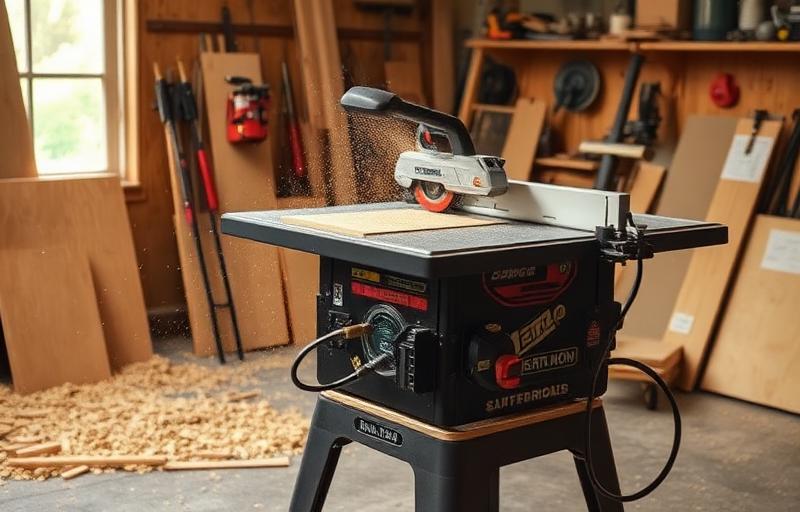
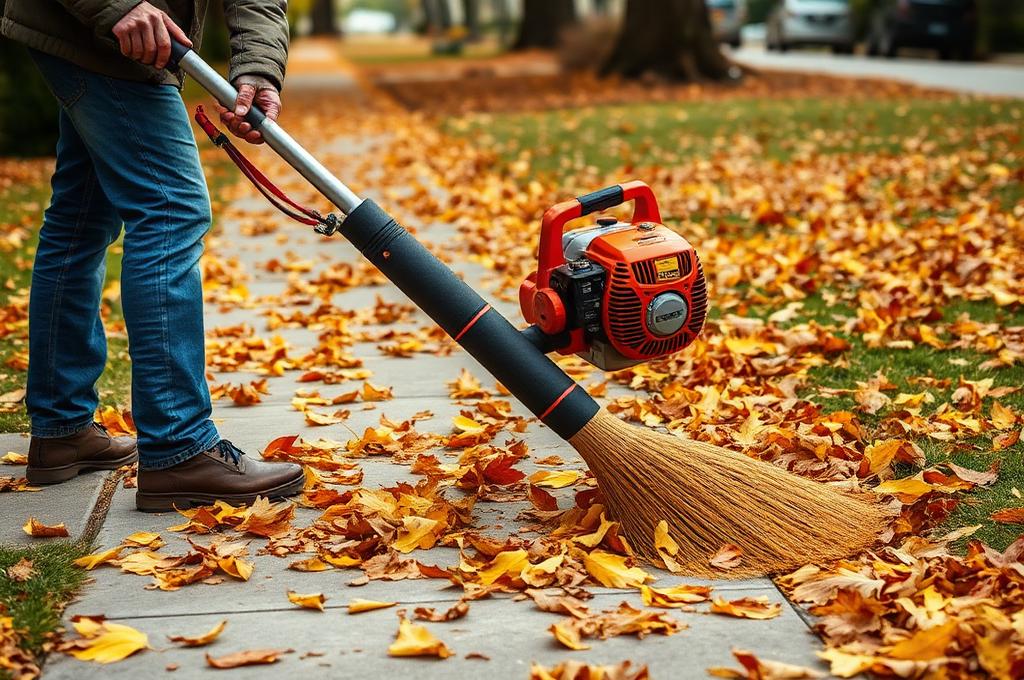
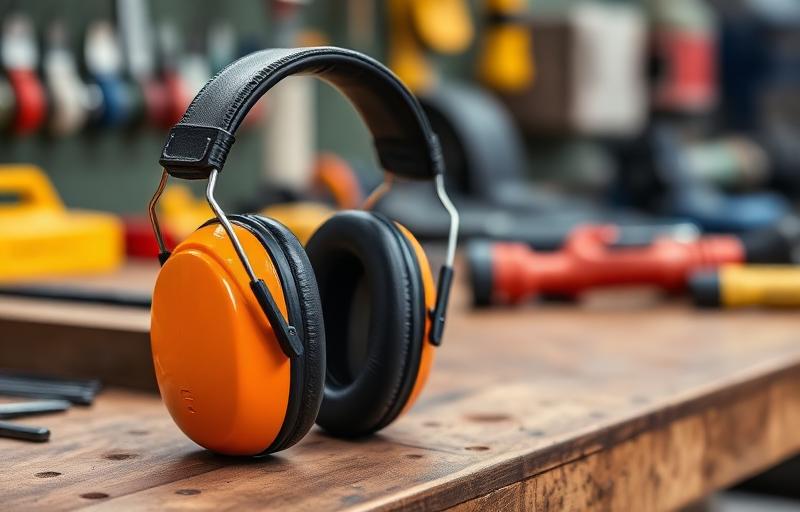
Test Your Environment
Use Snap Decibel Meter to measure sound levels around you — free, private, and instant.
Start Noise Measurement