How Loud Is a Car Horn? (Decibels + Distance Guide)
Car horns produce 100–110 dB at 1 meter — designed to be heard over traffic noise. Here is what that means at various distances.
Reviewed by our team against authoritative public-health sources. See our editorial standards.
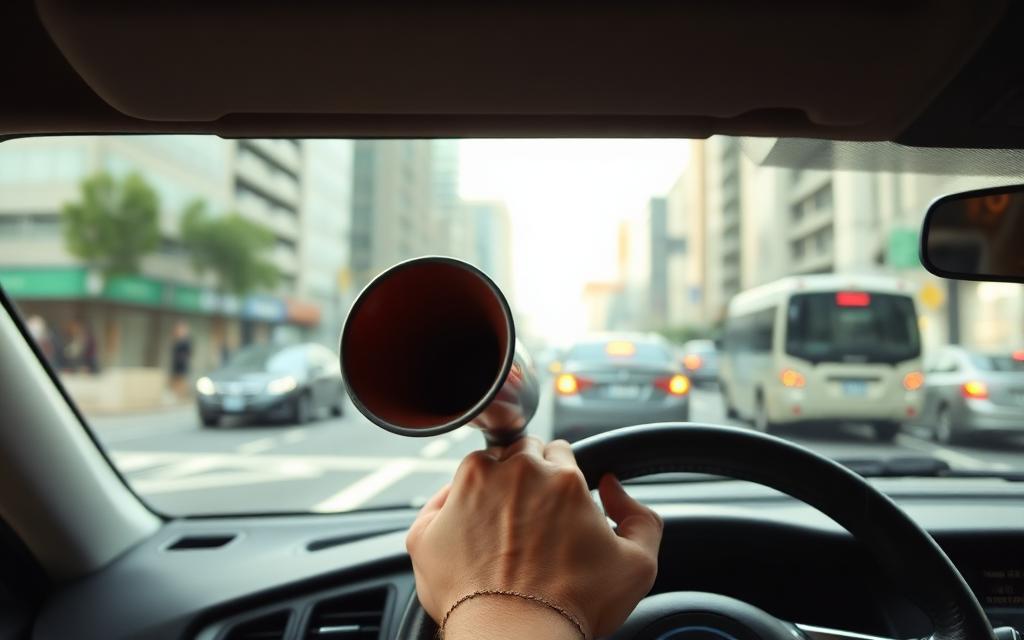
Car Horn
100–110 dB
Safe exposure
< 2 minutes
Per NIOSH 85 dBA / 8 h reference (3 dB exchange rate)
Above 85 dB can damage hearing with prolonged exposure. Use ear protection.
Personalized verdict
Is this dangerous for you?
Car Horn
105 dB
Typical
Your room
— dB
Tap Compare
Difference
—
Waiting
Audio is processed locally in your browser — nothing is recorded or sent. Prefer the full meter? Open Snap dB
Compare Car Horn to:
Quick Answer
A decibel (dB) is a logarithmic unit used to measure sound intensity: an increase of 10 dB means ten times more sound energy.
A standard car horn produces 100–110 dB at 1 meter. At 10 meters: 85–95 dB. At 30 meters: 70–80 dB. Truck and bus horns are louder at 110–120 dB. Brief honking is safe, but sustained horn noise in traffic contributes to urban noise pollution.
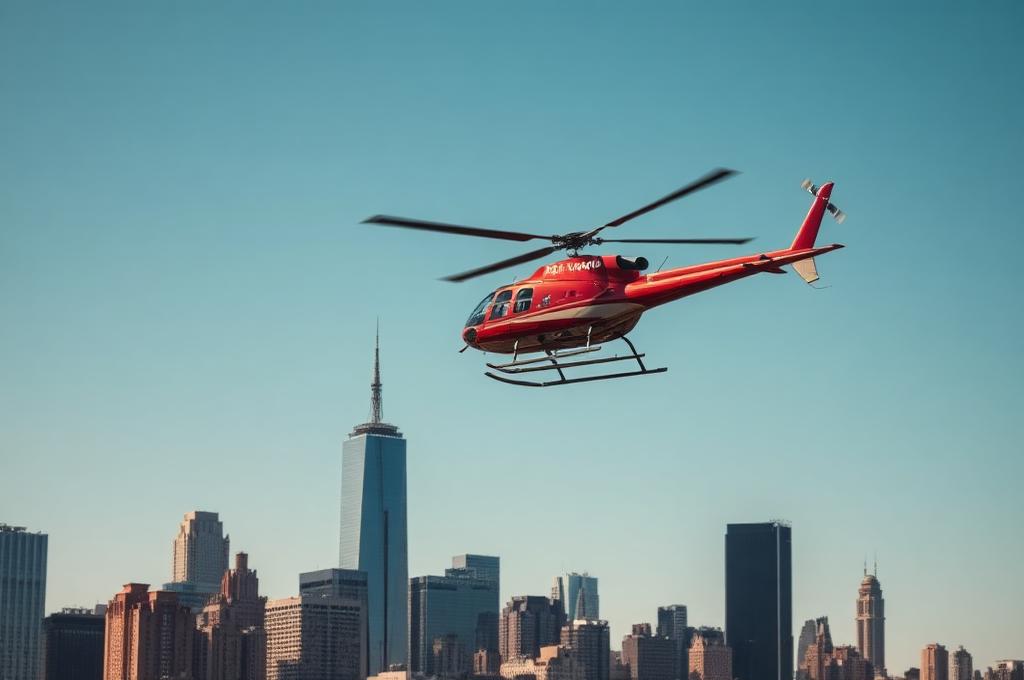
📊 Similar in loudness to a helicopter overhead at 100 feet (about 105 dB).
At a glance
| Typical range | 100–110 dB |
|---|---|
| Safety tier | Dangerous |
| Safe exposure (NIOSH REL) | < 2 minutes |
| Audible at | ~50+ ft |
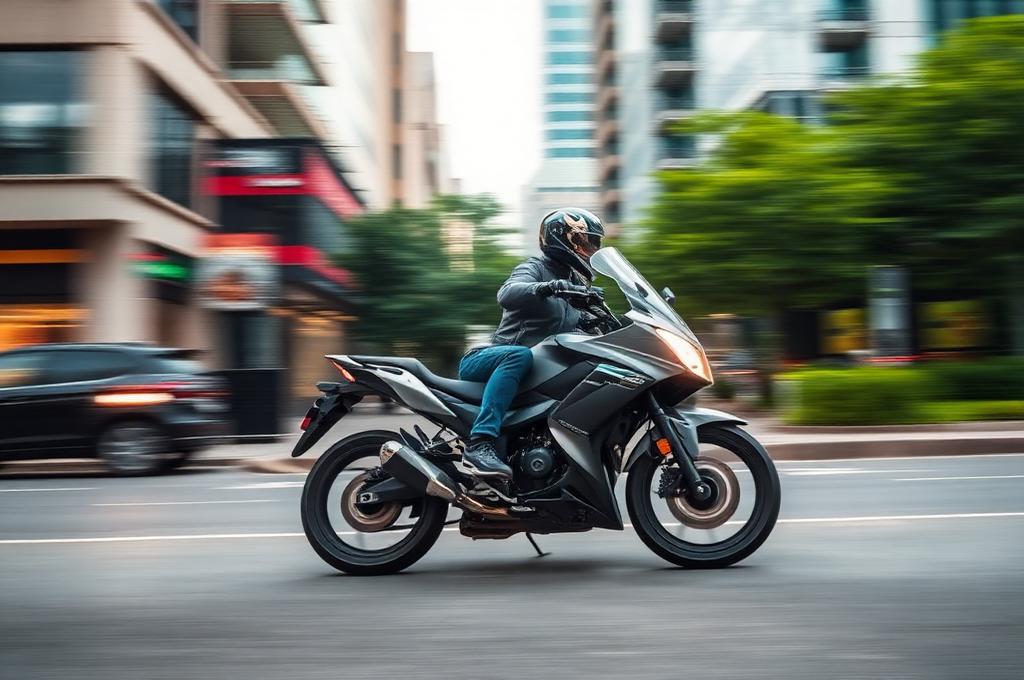
Louder than a motorcycle at 25 feet (95 dB), quieter than a car horn at 3 feet (115 dB).
How these figures were determined: Values are based on published reference levels from NIOSH, OSHA, the WHO and the CDC, together with manufacturer specifications where available. Actual sound levels vary with distance, room acoustics, equipment condition and measurement method, and readings taken with a phone microphone are estimates rather than calibrated measurements.
How Many Decibels Is a Car Horn?
A standard passenger car horn produces 100–110 dB measured at 1 meter from the front of the vehicle. Most countries require car horns to produce at least 93 dB and no more than 112 dB to ensure they are audible without being excessive.
Truck, bus, and emergency vehicle horns are significantly louder. A semi-truck air horn produces 110–120 dB, while train horns on vehicles (sometimes illegally installed) can reach 130+ dB.
The horn sound typically centers around 300–500 Hz — a frequency range that cuts through traffic noise and windshield glass effectively.
Your ears can't tell you the real danger level here…
Noise Level: Car Horn
Classification
Dangerous
Safe Exposure
~7 min
What a Car Horn Sounds Like at Different Distances
Right next to a car as it honks, the sound is startling and uncomfortable — a sharp blast at 105+ dB that triggers an involuntary flinch. Your ears ring briefly if you were not expecting it.
From a sidewalk as a car passes honking (5–10 meters), the horn is clearly loud at 85–95 dB but not painful. It is designed to alert, not harm — though in heavy traffic, cumulative horn noise from multiple vehicles creates a stressful acoustic environment.
Inside your own car with windows up when another car honks, the horn is attenuated to roughly 70–85 dB — loud enough to hear and respond to, which is exactly the purpose.
- At 1 meter: 100–110 dB
- At 5 meters: 90–100 dB
- At 10 meters: 85–95 dB
- At 30 meters: 70–80 dB
- Inside your car (windows closed): 70–85 dB
Typical Sound Levels
This is the point where hearing damage starts…
Over 1 billion young people worldwide risk hearing loss from unsafe listening levels on personal audio devices.
Measure Your Environment
Use Snap Decibel Meter to estimate the sound level around you right now.
Open Noise MeterCan a Car Horn Damage Your Hearing?
A single brief horn blast (1–2 seconds) is extremely unlikely to cause hearing damage, even at close range. The exposure time is simply too short.
However, in dense urban traffic where horns are used frequently and sustained (like in cities such as Mumbai, Cairo, or New York), cumulative exposure over hours of commuting in stop-and-go traffic contributes to the overall daily noise dose. Taxi drivers, delivery workers, and traffic police in these environments face elevated hearing loss risk.
How a Car Horn Compares to Other Urban Sounds
A car horn at 105 dB is about as loud as a helicopter flying overhead or a nightclub near the speakers. It is louder than a motorcycle (95 dB) but quieter than a siren (120 dB).
What makes car horns notable is not their absolute volume but their piercing quality. The frequency and attack pattern are engineered to be maximally attention-grabbing — your brain is wired to notice sudden, sharp sounds.
Horn Noise and Urban Quality of Life
In many cities, excessive honking is the single largest source of noise pollution complaints. Some cities (including New York and Mumbai) have implemented 'no honking' zones with fines, recognizing the toll on residents' well-being.
If you live near a busy intersection with frequent honking, the cumulative noise exposure can contribute to stress, sleep disruption, and elevated blood pressure — effects documented in numerous environmental health studies.
Your daily noise exposure might already exceed safe limits.
What Makes Car Horn Sound the Way It Does
At 100–110 dB, car horn falls within a well-studied range of the decibel scale. Acoustic engineers, occupational health researchers, and environmental scientists have extensively characterized sounds in this range, providing robust data on health effects, safe exposure durations, and effective mitigation strategies.
At 100–110 dB, car horn is in the "hazardous" range where unprotected exposure causes measurable hearing damage. The outer hair cells in the cochlea, which amplify quiet sounds and sharpen frequency discrimination, are the first casualties. Their loss results in reduced speech clarity, particularly in noisy environments — the classic "I can hear you but can't understand you" complaint.
The inverse square law governs how car horn sound diminishes with distance. Every doubling of distance reduces the level by approximately 6 dB. At 110 dB measured at 1 meter, expect roughly 104 dB at 2 meters, 98 dB at 4 meters, and 90 dB at 10 meters.
Putting Car Horn Noise in Perspective
Car horn noise at 100–110 dB matches a helicopter overhead at 100 feet (105 dB) on the decibel scale. While the measured levels are equivalent, your brain perceives these sounds very differently based on their spectral content, temporal pattern, and your learned associations with each source.
On the quieter end, heavy city traffic from the sidewalk registers about 88 dB — that's 17 dB below car horn, representing roughly 3× less perceived loudness. Moving louder, a gunshot at close range reaches 140 dB — 35 dB above car horn, approximately 11× louder to your ears.
Human hearing perception compresses the enormous physical range of sound into a more manageable subjective scale. The difference between 105 dB and 115 dB sounds like "about twice as loud" to most listeners, even though the actual energy difference is 10-fold. This compression is why small decibel differences feel significant — a 3 dB reduction removes half the sound energy.
Safe Exposure Duration for Car Horn
According to NIOSH guidelines, the maximum safe exposure time at 110 dB is < 2 minutes. Sustained exposure causes rapid hearing cell damage.
NIOSH Exposure Limits Reference
Reducing Your Exposure to Car Horn Noise
Sustained exposure to car horn at 110 dB requires a deliberate hearing protection strategy. The National Institute for Deafness recommends the "3-E" approach: Engineering controls (reduce the source noise), Environmental modifications (increase distance, add barriers), and Equipment (wear proper hearing protection). Apply these in order — prevent the noise first, protect against the remainder.
Simple environmental changes can reduce your effective exposure to car horn noise. Closing a standard interior door reduces transmitted sound by 15–20 dB. Adding a rug to a hard floor absorbs 2–4 dB of reflected energy. Hanging heavy curtains adds 5–8 dB of high-frequency absorption. These modest steps compound to create meaningful noise reduction.
- Increase distance from car horn when possible — every doubling cuts the level by 6 dB
- Measure car horn noise with a smartphone app to establish your actual exposure level
- Add soft furnishings (rugs, curtains, upholstered furniture) to absorb reflected car horn sound
- Close doors and seal gaps between rooms to reduce transmitted noise by 15–25 dB
- Wear NRR 20+ hearing protection if car horn exposure exceeds 85 dB
How to Measure Car Horn Sound Accurately
For reliable car horn measurements, standardize your approach: measure at 1 meter distance, at ear height, with the microphone pointed toward the source. Run the measurement for at least 30 seconds and average multiple readings. Background noise should be at least 10 dB below your target to avoid interference.
Measuring loud sounds like car horn at 105 dB requires caution — the measurement process itself exposes you to potentially damaging noise. Wear hearing protection during measurement sessions, use a remote microphone or tripod placement when possible, and limit measurement duration to the minimum needed for representative data.
Health Risks of Car Horn Noise Exposure
Regular unprotected exposure to car horn at 110 dB poses a real risk of noise-induced hearing loss (NIHL). The hair cells in your cochlea convert sound vibrations into electrical signals for the brain. Excessive noise physically damages these delicate structures, and unlike birds and reptiles, humans cannot regenerate damaged hair cells — the loss is permanent.
Warning signs of overexposure to car horn noise include: ringing, buzzing, or hissing in the ears after exposure; speech sounding muffled or distant; difficulty following conversations in restaurants or social settings; and needing to gradually increase TV or headphone volume. If you experience any of these after exposure to car horn, reduce future exposure immediately and consult an audiologist.
Warning Signs of Overexposure
- Ringing, buzzing, or hissing in your ears after exposure to car horn
- Sounds seem muffled or distant after leaving the noisy environment
- Difficulty understanding speech in crowded or noisy settings
- Gradually increasing your TV or headphone volume over weeks
Measure Car Horn Noise Yourself
Want to know how loud car horn is in your own environment? Use our free decibel meter to take a real-time reading, or check the complete decibel chart to see where 100–110 dB sits on the full scale. You can also compare sounds side by side or use the noise distance calculator to estimate levels at different distances.
🎯 Guess the Decibel Level
How loud do you think Car Horn is? Drag the slider and find out!
Frequently Asked Questions
How loud is a car horn in decibels?
100–110 dB at 1 meter for standard passenger cars. Truck horns reach 110–120 dB.
Can a car horn damage hearing?
A single brief honk is safe. Sustained or frequent horn exposure in heavy traffic environments can contribute to cumulative hearing damage.
How far can you hear a car horn?
A car horn is audible at 200+ meters in quiet conditions. In noisy traffic, effective range drops to 30–50 meters.
Why are car horns so loud?
They must be audible over traffic noise, through closed car windows, at distances of 30+ meters to serve as an effective warning signal.
Explore More
Related Noise Guides
How Loud Is Traffic Noise?
Explore typical traffic noise levels and understand how road noise affects your environment, health, and quality of life.
9 min readTraffic & City NoiseHow Loud Is a Motorcycle? Decibel Levels Explained
Motorcycles produce 80–100 dB at close range — louder than a car and potentially harmful to hearing. Here's what you need to know.
7 min readTraffic & City NoiseHow Loud Is a Car? Interior & Exterior Noise Levels
Car noise varies dramatically — from a quiet 60 dB cabin to 80+ dB highway levels. Here's what you need to know about noise exposure while driving.
7 min readHearing SafetyIs 100 dB Dangerous? The 15-Minute Warning
100 dB gives you just 15 minutes of safe exposure. Nightclubs, power tools, and live music all exceed this level. Here's the full danger picture.
5 min readHow Does Car Horn Compare?
Tap any sound to learn more about its noise level.
| Sound level | Sound | Vs. Car Horn | Risk |
|---|---|---|---|
| 105 dB | Car Horn (this page) | — | Danger |
| 93 dB | Power Drill | −12 dB quieter | Loud |
| 93 dB | Subway Train | −12 dB quieter | Loud |
| 100 dB | Leaf Blower | −5 dB quieter | Loud |
| 110 dB | Concert or Festival | +5 dB louder | Danger |
| 118 dB | Cockatoo | +13 dB louder | Danger |
| 120 dB | 120 Decibels | +15 dB louder | Danger |
Compare With Other Sounds
See how this noise level compares to other everyday sounds.
Test Your Environment
Use Snap Decibel Meter to measure sound levels around you — free, private, and instant.
Start Noise Measurement