How Loud Is a Generator? Portable & Standby dB Levels
Generators range from 50 dB (inverter models) to 100+ dB (large diesel units) — one of the loudest common machines you'll encounter.
Reviewed by our team against authoritative public-health sources. See our editorial standards.
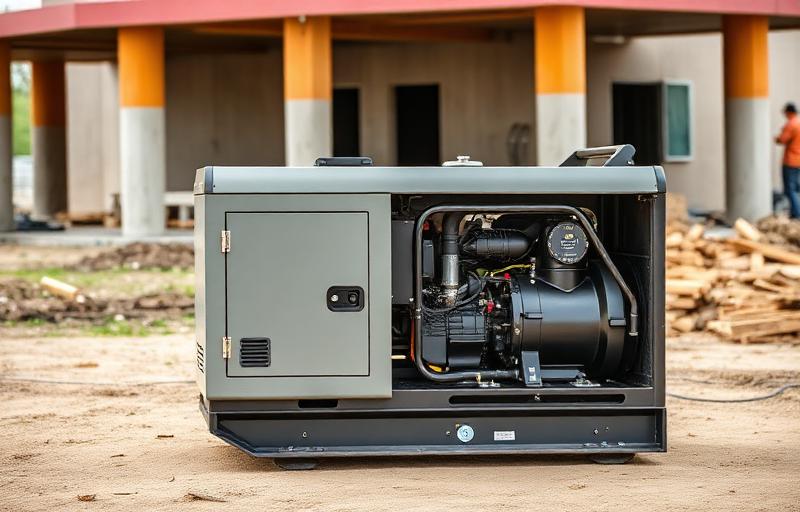
Generator
50–65 dB
Safe exposure
All-day OK
Per NIOSH 85 dBA / 8 h reference (3 dB exchange rate)
Personalized verdict
Is this dangerous for you?
Generator
58 dB
Typical
Your room
— dB
Tap Compare
Difference
—
Waiting
Audio is processed locally in your browser — nothing is recorded or sent. Prefer the full meter? Open Snap dB
Compare Generator to:
Quick Answer
A decibel (dB) is a logarithmic unit used to measure sound intensity: an increase of 10 dB means ten times more sound energy.
A small inverter generator produces 50–65 dB, a standard portable generator runs at 70–85 dB, and large standby or construction generators hit 85–100+ dB. Larger generators absolutely require hearing protection during extended use.
📊 Similar in loudness to normal conversation at 3 feet (about 60 dB).
At a glance
| Typical range | 50–65 dB |
|---|---|
| Safety tier | Moderate |
| Safe exposure (NIOSH REL) | All-day OK |
| Audible at | ~10–15 ft |
Louder than a quiet office (45 dB), quieter than a running shower (70 dB).
How these figures were determined: Values are based on published reference levels from NIOSH, OSHA, the WHO and the CDC, together with manufacturer specifications where available. Actual sound levels vary with distance, room acoustics, equipment condition and measurement method, and readings taken with a phone microphone are estimates rather than calibrated measurements.
Generator Noise by Type
Generator noise varies enormously by type and size:
- Small inverter (2000W): 50–60 dB at 7m
- Medium inverter (3000W): 58–68 dB at 7m
- Portable conventional (3500W): 70–80 dB at 7m
- Large portable (7000W+): 75–85 dB at 7m
- Standby whole-home: 65–75 dB at 7m
- Construction diesel: 85–100 dB at 7m
Most people are surprised by how loud this actually is…
Noise Level: Generator
Classification
Safe
Safe Exposure
No time limit
Distance Matters Enormously
Generator noise ratings are typically measured at 7 meters (23 feet). At closer distances, they're much louder:
- At 1 meter: add approximately 17 dB to the rated level
- At 3 meters: add approximately 7 dB
- At 7 meters: rated level
- At 15 meters: subtract approximately 7 dB
- At 30 meters: subtract approximately 13 dB
Typical Sound Levels
Beyond this level, your hearing cells don't recover…
The threshold of pain for human hearing is around 120-130 dB, equivalent to standing near a jet engine.
Measure Your Environment
Use Snap Decibel Meter to estimate the sound level around you right now.
Open Noise MeterHearing Safety Around Generators
Generators above 85 dB require hearing protection:
- Inverter generators: generally safe without protection
- Conventional portables at close range: wear earplugs
- Construction generators: hearing protection mandatory
- Never run a generator indoors (carbon monoxide risk)
- Use Snap Decibel Meter to check levels at your position
Reducing Generator Noise
Strategies to reduce generator noise — especially important for camping, tailgating, and residential standby use:
- Choose an inverter generator (20–30 dB quieter than conventional)
- Place the generator as far away as possible (every doubling of distance = -6 dB)
- Point the exhaust away from living/working areas
- Build a simple baffle or sound barrier with plywood
- Place on soft ground rather than concrete (reduces reflected noise)
- Use the eco/quiet mode when available — reduces 3–8 dB
Generator Noise Regulations
Many areas have noise regulations that apply to generators. Campgrounds typically limit generators to specific hours (usually 7 AM – 10 PM). HOAs may restrict generator use or require minimum setback distances. At an 85 dBA 8-hour average, OSHA requires employers to run a hearing conservation program and make hearing protection available, and NIOSH recommends protection for extended generator exposure.
Before purchasing a generator, check the rated noise level at 7 meters (the standard measurement distance) and compare it to any local limits. Inverter generators at 50–65 dB typically comply with all residential and campground restrictions.
Now that you know the real level, test your own environment.
Generator Noise: The Complete Breakdown
Vegetation provides modest sound attenuation for generator noise — dense hedgerows and tree belts can reduce levels by 5–8 dB per 30 meters of depth. However, this applies mainly to mid and high frequencies; the low-frequency components of generator pass through vegetation relatively unimpeded.
At 50–65 dB, generator is roughly equivalent to the ambient level inside a typical car on a highway. It's the kind of sound that becomes "normal" — you adapt to it, but it's measurably affecting your stress physiology. The European Environment Agency estimates that 113 million Europeans live with traffic noise above 55 dB, a threshold linked to adverse health outcomes.
Time-of-day restrictions for generator vary by municipality but typically allow operation between 7:00 AM and 9:00 PM on weekdays and 8:00 AM to 6:00 PM on weekends. Some HOAs impose stricter limits. Exceeding these limits with generator noise at 65 dB can result in fines of $50–$500 per violation.
Noise Ordinances and Generator Usage
Most municipalities regulate generator noise through local ordinances that set maximum decibel limits at property boundaries — typically 55–65 dB during daytime (7 AM–10 PM) and 45–55 dB at night. With generator producing 50–65 dB at the source, you'll typically comply at the property line if your neighbor is 15+ meters away, though terrain and wind can affect propagation.
Some jurisdictions use time-based restrictions instead of decibel limits: power equipment may only be operated during specific hours (e.g., 8 AM–6 PM weekdays, 9 AM–5 PM weekends). Others use "nuisance" standards where any noise that "unreasonably disturbs the peace" can trigger enforcement, regardless of measured decibel level.
Enforcement of noise ordinances varies widely. In some areas, code enforcement officers respond with calibrated sound level meters; in others, the standard is simply whether a "reasonable person" would find the noise disturbing. Documentation helps — if you're concerned about generator noise from a neighbor, keep a log of dates, times, and durations before filing a complaint.
Sound Comparison: Generator on the Decibel Scale
The closest everyday comparison to generator at 50–65 dB is normal conversation at 3 feet, which registers at 60 dB. Both sounds occupy the same energy band and present similar exposure considerations, though their frequency profiles and duration patterns create distinct listening experiences.
On the quieter end, moderate rainfall registers about 50 dB — that's 8 dB below generator, representing roughly 2× less perceived loudness. Moving louder, a busy restaurant reaches 65 dB — 7 dB above generator, approximately 2× louder to your ears.
The decibel scale is logarithmic — each 10 dB increase represents a tenfold jump in sound energy and roughly a doubling of perceived loudness. At 50–65 dB, generator carries 630,957× more acoustic energy than the threshold of hearing (0 dB), placing it in a well-characterized region of the audible spectrum.
Electric vs. Gas-Powered Generator: Noise Comparison
The shift from gas-powered to electric generator alternatives is one of the most significant noise-reduction trends in outdoor equipment. Electric models typically produce 10–20 dB less noise than their gas equivalents — a reduction that means the electric version sounds 50–75% quieter to human ears.
Gas engines produce noise through combustion events, exhaust pulses, and mechanical vibration. Electric motors generate only electromagnetic hum and bearing noise, with no combustion events or exhaust. The dominant noise source in electric generator is usually the blade, bit, or working element rather than the power source itself.
Battery capacity has been the main barrier to electric generator adoption. Modern 56V and 80V lithium-ion platforms deliver 45–90 minutes of runtime — sufficient for most residential tasks. For professional users requiring all-day operation, swappable battery packs or hybrid gas-electric designs offer a compromise between noise reduction and endurance.
Managing Generator Noise in Your Environment
At 65 dB, generator is well within safe levels and poses no hearing risk. The following tips focus on comfort optimization — creating the most pleasant acoustic environment rather than preventing health damage.
Timing is the simplest noise reduction strategy for generator. Operating during midday when ambient noise is highest (traffic, other activities) means generator at 65 dB has less contrast against the background. Morning and evening operation, when ambient levels drop to 35–45 dB, makes the same generator noise stand out dramatically — perceived as 10–20 dB more intrusive.
- Operate generator during midday hours when ambient noise provides natural masking
- Consider electric alternatives — 10–20 dB quieter than gas-powered equivalents
- Maintain equipment: sharp blades, tight bolts, and proper lubrication reduce noise 3–8 dB
- Wear NRR 25+ over-ear hearing protection for all gas-powered equipment use
- Inform neighbors before extended generator use and respect local noise ordinance hours
Measuring Generator Noise: Methods and Tools
To measure generator noise as accurately as possible, use a dedicated Type 2 sound level meter or a calibrated smartphone app such as NIOSH SLM. Snap Decibel Meter gives you a fast relative estimate — useful for comparing environments, but uncalibrated and unweighted. Position the device at 1 meter from the source, at the height where you'd normally hear it. Take readings over 30–60 seconds and note both average (Leq) and peak (Lmax) values.
For sounds at 58 dB like generator, most smartphone decibel meter apps provide reasonably accurate readings (typically within ±3–5 dB of professional equipment). For more precision, calibrate your app against a known reference sound or use a dedicated Type 2 sound level meter. The key to accuracy is consistent positioning and adequate sampling time.
Generator Noise and Your Health
At 65 dB, generator presents no risk to your hearing or physical health. The human auditory system handles sounds below 70 dB comfortably and indefinitely. In fact, moderate ambient sound in the 40–60 dB range has been shown to improve creative thinking and reduce the stress associated with complete silence, which some people find unsettling or anxiety-inducing.
Understanding generator noise at 65 dB builds the acoustic awareness that protects you in genuinely dangerous situations. People who understand the decibel scale recognize hazardous noise faster, seek protection sooner, and make better decisions about their sound environment — whether choosing a restaurant, buying a home, or operating power tools.
Measure Generator Noise Yourself
Want to know how loud generator is in your own environment? Use our free decibel meter to take a real-time reading, or check the complete decibel chart to see where 50–65 dB sits on the full scale. You can also compare sounds side by side or use the noise distance calculator to estimate levels at different distances.
🎯 Guess the Decibel Level
How loud do you think Generator is? Drag the slider and find out!
Frequently Asked Questions
Are inverter generators really quieter?
Yes, dramatically. A 2000W inverter runs at 50–60 dB vs 70–80 dB for a comparable conventional generator.
How far away should a generator be?
At least 7 meters from living areas. Farther is better — noise drops ~6 dB each time you double the distance.
Can generator noise damage hearing?
Conventional and construction generators above 85 dB can cause damage with prolonged exposure. Wear hearing protection.
Explore More
Related Noise Guides
How Loud Is a Lawn Mower? Decibel Levels by Mower Type
Lawn mowers produce anywhere from 55 dB (manual reel) to 100 dB (commercial zero-turn). We break down the exact decibel range for every mower type — and what it means for your hearing.
9 min readHearing SafetyIs 85 dB Dangerous? The Critical Hearing Damage Threshold
85 dB is where hearing damage begins. It's the most important number in noise safety — and most people have no idea they're exposed to it daily.
6 min readHearing SafetyIs 95 dB Dangerous? Hearing Damage Timeline Explained
95 dB is dangerous with prolonged exposure — hearing damage can occur in less than 50 minutes without hearing protection.
5 min readOutdoor EquipmentHow Loud Is a Pressure Washer? Outdoor Cleaning Noise
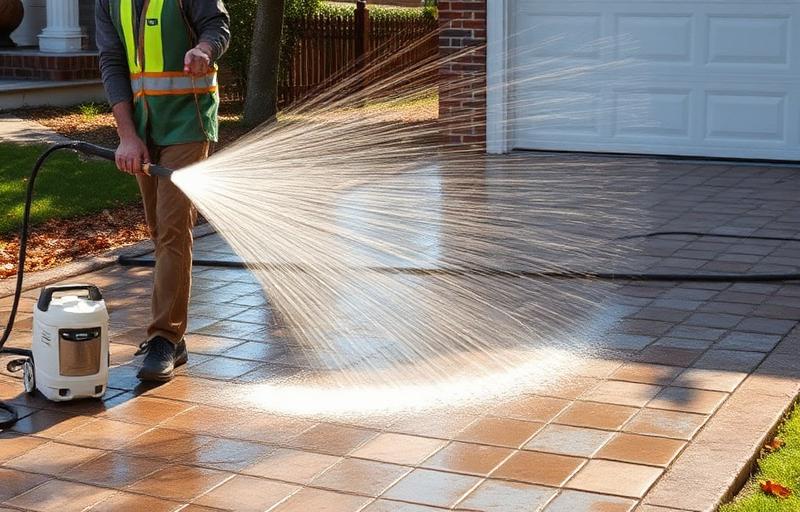
A pressure washer produces 80–100 dB — louder than most people expect. Gas models are significantly noisier than electric.
4 min readHow Does Generator Compare?
Tap any sound to learn more about its noise level.
| Sound level | Sound | Vs. Generator | Risk |
|---|---|---|---|
| 58 dB | Generator (this page) | — | Safe |
| 40 dB | What Noise Level Is Too Loud for Sleep | −18 dB quieter | Safe |
| 45 dB | Printer | −13 dB quieter | Safe |
| 48 dB | Dishwasher | −10 dB quieter | Safe |
| 55 dB | Washing Machine | −3 dB quieter | Safe |
| 70 dB | The Complete Guide to Noise Levels and Decibels | +12 dB louder | Moderate |
| 70 dB | Car | +12 dB louder | Moderate |
Compare With Other Sounds
See how this noise level compares to other everyday sounds.
Test Your Environment
Use Snap Decibel Meter to measure sound levels around you — free, private, and instant.
Start Noise Measurement