How Accurate Are Phone Decibel Meters?
Phone-based decibel meters provide surprisingly useful estimates. Here's how accurate they really are and how to get better results.
Reviewed by our team against authoritative public-health sources. See our editorial standards.
Quick Answer
Phone decibel meters are typically accurate within ±3–6 dB compared to professional meters. Excellent for everyday awareness but not suitable for legal or regulatory compliance.
How Close Are Phone Readings to Reality?
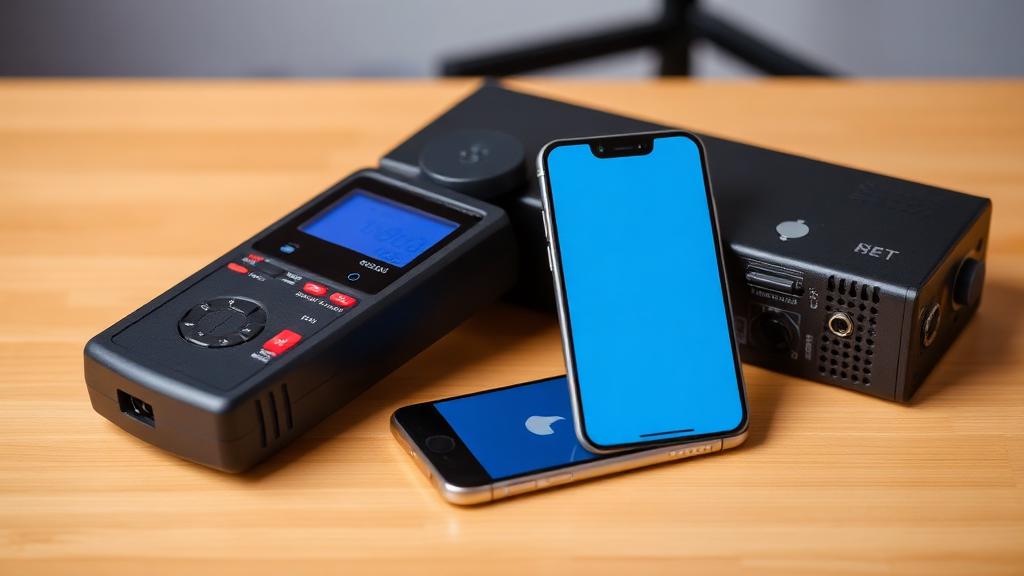
Studies comparing phone apps to professional Type 2 meters find accuracy within ±3–6 dB in the 40–90 dB range. At very low levels (below 35 dB), phone microphones struggle with their noise floor. At very high levels (above 95 dB), many phone mics clip.
Your ears can't tell you the real danger level here…
Key Limitations
Understanding limitations helps you use phone meters effectively:
- Microphone quality varies between phone models
- Phone cases can muffle readings by 2–5 dB
- Wind noise creates artificially high readings
- Low-frequency sounds are underrepresented
- Not suitable for OSHA compliance or legal disputes
Most noise-induced hearing loss happens gradually — without any pain…
The human ear can distinguish over 400,000 different sounds and detect pressure changes as small as one billionth of atmospheric pressure.
Measure Your Environment
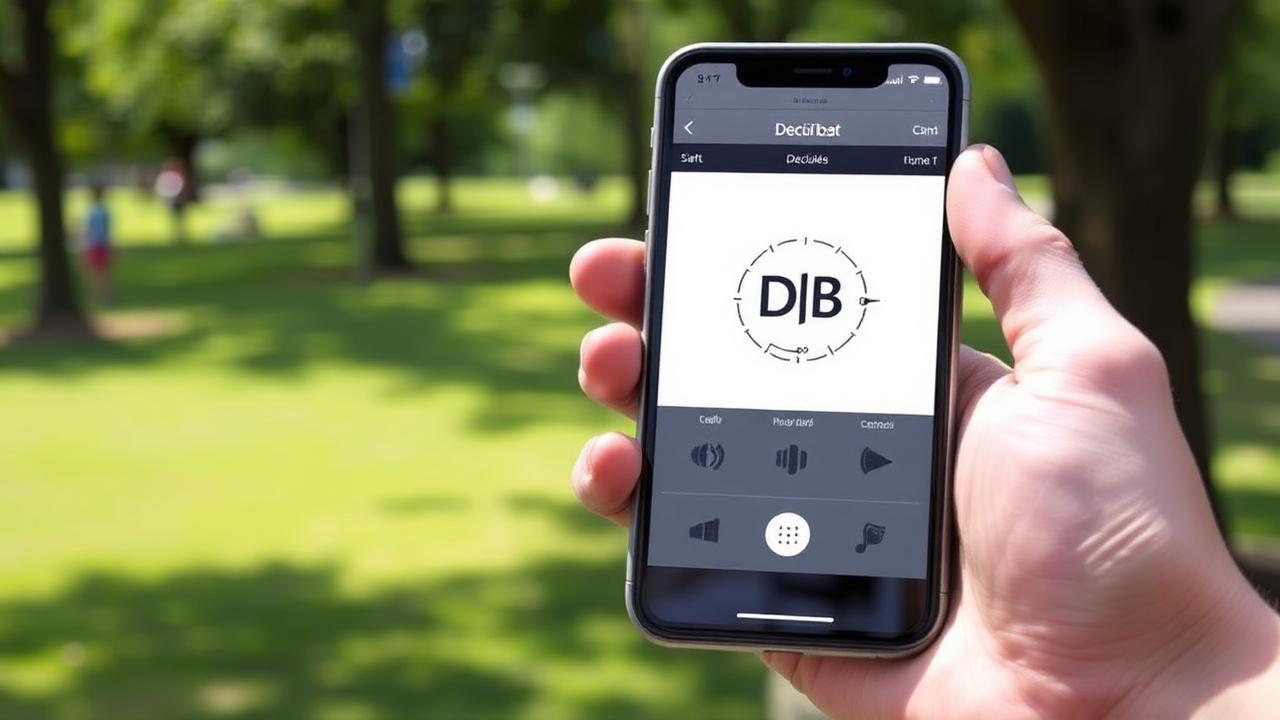
Use Snap Decibel Meter to estimate the sound level around you right now.
Open Noise MeterTips for Better Accuracy
Remove your phone case. Hold at arm's length with mic facing the source. Avoid covering the mic. Shield from wind. Take multiple readings and average them.
Relative comparisons (this room vs. that room) are very reliable even if absolute values have a margin of error.
When Phone Meters Are Perfect (and When Not)
Phone meters excel at everyday awareness: checking if your gym is too loud, comparing apartment noise, measuring snoring. Not appropriate for workplace compliance, legal disputes, or medical assessments.
Your daily noise exposure might already exceed safe limits.
Frequently Asked Questions
How accurate is a phone decibel meter?
Most achieve ±3–6 dB accuracy in the 40–90 dB range. Sufficient for everyday awareness but not regulatory compliance.
Do phone cases affect readings?
Yes, by 2–5 dB. Remove your case for the most accurate readings.
Can I trust my phone to measure noise?
For general awareness and relative comparisons, yes. For legal or medical measurements, use certified equipment.
Explore More
Related Noise Guides
The Complete Guide to Noise Levels and Decibels
The definitive resource covering everything about noise levels, decibels, safe sound exposure, and how to measure environmental noise — from whispers to jet engines.
25 min readSafe Sound LevelsWhat Noise Level Is Safe for Humans?
Understand recommended noise exposure limits and how long you can safely be exposed to different sound levels without risking hearing damage.
8 min readNoise BasicsTypical Noise Levels in Everyday Life
A comprehensive guide to common sound levels you encounter daily, from whispers to concerts, with practical decibel comparisons.
10 min readMeasurement TipsHow Accurate Are Phone Noise Meters?
Find out how smartphone sound meter apps work, their accuracy compared to professional meters, and when they're practical for everyday use.
9 min readCompare With Other Sounds
See how this noise level compares to other everyday sounds.
Test Your Environment
Use Snap Decibel Meter to measure sound levels around you — free, private, and instant.
Start Noise Measurement