How Loud Is a Circular Saw? Power Tool Safety Guide
A circular saw produces 95–110 dB during cutting — one of the loudest common power tools and a serious hearing risk without protection.
Reviewed by our team against authoritative public-health sources. See our editorial standards.
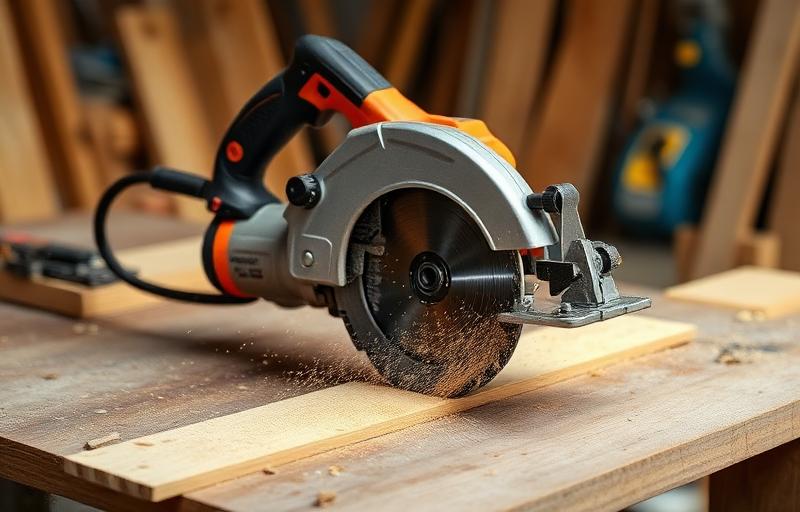
Circular Saw
95–110 dB
Safe exposure
< 2 minutes
Per NIOSH 85 dBA / 8 h reference (3 dB exchange rate)
Above 85 dB can damage hearing with prolonged exposure. Use ear protection.
Personalized verdict
Is this dangerous for you?
Circular Saw
103 dB
Typical
Your room
— dB
Tap Compare
Difference
—
Waiting
Audio is processed locally in your browser — nothing is recorded or sent. Prefer the full meter? Open Snap dB
Compare Circular Saw to:
Quick Answer
A decibel (dB) is a logarithmic unit used to measure sound intensity: an increase of 10 dB means ten times more sound energy.
A circular saw produces 95–110 dB during cutting, making it one of the loudest common power tools. At these levels, hearing damage can occur in minutes. Hearing protection is mandatory — not optional — whenever using a circular saw.
📊 Similar in loudness to a helicopter overhead at 100 feet (about 105 dB).
Prolonged exposure above 85 dB can damage hearing.
At a glance
| Typical range | 95–110 dB |
|---|---|
| Safety tier | Dangerous |
| Safe exposure (NIOSH REL) | < 2 minutes |
| Audible at | ~50+ ft |
Louder than a gas-powered lawn mower (90 dB), quieter than a car horn at 3 feet (115 dB).
How these figures were determined: Values are based on published reference levels from NIOSH, OSHA, the WHO and the CDC, together with manufacturer specifications where available. Actual sound levels vary with distance, room acoustics, equipment condition and measurement method, and readings taken with a phone microphone are estimates rather than calibrated measurements.
Circular Saw Noise Levels
Noise varies by blade, material, and saw type:
- Idling (no cut): 80–90 dB
- Cutting softwood: 95–100 dB
- Cutting hardwood: 100–105 dB
- Cutting plywood: 95–102 dB
- Cutting metal: 100–110 dB
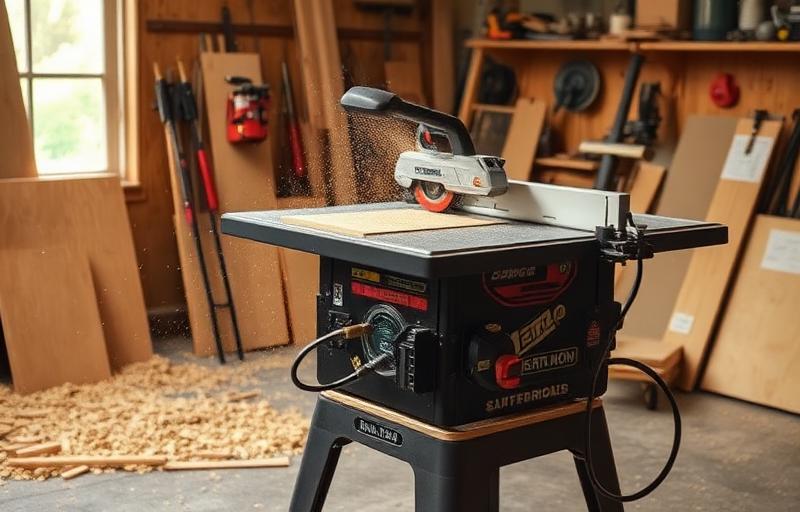
- Table saw (similar): 95–105 dB
This might be louder than you think…
Noise Level: Circular Saw
Classification
Dangerous
Safe Exposure
~7 min
Safe Exposure Time
At circular saw noise levels, safe time is very limited:
- 95 dB: ~47 minutes (NIOSH)
- 100 dB: ~15 minutes
- 105 dB: ~5 minutes
- 110 dB: ~90 seconds
- Most woodworking sessions exceed these limits easily
- Cumulative daily exposure adds up across multiple cuts
Typical Sound Levels
Here's where it becomes dangerous…
The Lombard effect makes people unconsciously raise their voice by 3-6 dB for every 10 dB of background noise.
Measure Your Environment
Use Snap Decibel Meter to estimate the sound level around you right now.
Open Noise MeterRequired Hearing Protection
Always wear hearing protection when using a circular saw — no exceptions:
- Foam earplugs: reduce 15–30 dB (minimum recommendation)
- Over-ear muffs: reduce 20–35 dB (better for dusty environments)
- Electronic muffs: reduce noise while allowing conversation
- Double protection (plugs + muffs) for extended cutting sessions
- Never rely on 'getting used to it' — damage occurs silently
Workshop Noise Management
In a workshop, multiple power tools compound the problem. Running a circular saw alongside a dust collector (75–85 dB) and shop vacuum (80–85 dB) can push combined levels above 110 dB. Planning your workflow to avoid running multiple loud tools simultaneously reduces cumulative exposure.
Workshop walls made of concrete or drywall reflect sound, amplifying levels by 3–6 dB compared to outdoor use. Acoustic panels on workshop walls and rubber mats on floors can reduce reflected noise significantly.
Reducing Circular Saw Noise
While you can't make a circular saw quiet, you can reduce exposure:
- Sharp blades produce less noise than dull ones
- More teeth = smoother, slightly quieter cut
- Proper blade for material reduces binding noise
- Cut supports reduce vibration and resonance
- Take breaks between cuts to reduce cumulative exposure
The difference between 'fine' and 'damaging' is smaller than you think.
Understanding Circular Saw Noise Levels
Impulse noise from circular saw is particularly concerning because each impact delivers a sharp pressure spike to the cochlea before the acoustic reflex (stapedius muscle contraction) can engage — a protective delay of 25–150 milliseconds. This means the inner ear absorbs the full energy of each circular saw impulse unprotected.
Noise at 95–110 dB from circular saw exceeds the maximum level that any regulatory body considers safe for unlimited exposure. At this intensity, sound energy is sufficient to physically damage the stereocilia (hair-like structures) on inner ear sensory cells. These structures do not regenerate in mammals — every exposure above safe limits contributes to permanent, cumulative hearing loss.
Wearing hearing protection changes the perceived frequency balance of circular saw. Standard foam earplugs attenuate high frequencies (2,000+ Hz) more than low frequencies, making the sound seem deeper and more muffled. Custom-molded earplugs with flat attenuation preserve natural frequency balance while reducing overall level by 15–25 dB.
OSHA Regulations for Circular saw Noise Exposure
Under OSHA's Occupational Noise Exposure standard (29 CFR 1910.95), employers must implement a hearing conservation program when workers are exposed to noise levels like those from circular saw (95–110 dB) over an 8-hour TWA. This program must include noise monitoring, audiometric testing, hearing protection, employee training, and recordkeeping.
The permissible exposure limit (PEL) follows a 5 dB exchange rate: 90 dB for 8 hours, 95 dB for 4 hours, 100 dB for 2 hours, and so on. NIOSH recommends a stricter 3 dB exchange rate, which would limit 110 dB exposure to < 2 minutes. Most safety professionals follow the more protective NIOSH standard.
Failure to comply with OSHA noise standards can result in citations ranging from $16,131 for serious violations to $161,323 for willful violations (2024 penalty amounts). Beyond financial penalties, employers face workers' compensation claims for noise-induced hearing loss — claims that average $30,000–$50,000 per affected worker and are among the most common occupational injury claims.
Circular Saw vs. Common Noise Sources
The closest everyday comparison to circular saw at 95–110 dB is a helicopter overhead at 100 feet, which registers at 105 dB. Both sounds occupy the same energy band and present similar exposure considerations, though their frequency profiles and duration patterns create distinct listening experiences.
On the quieter end, a motorcycle at 25 feet registers about 95 dB — that's 8 dB below circular saw, representing roughly 2× less perceived loudness. Moving louder, a rock concert front row reaches 110 dB — 7 dB above circular saw, approximately 2× louder to your ears.
In the construction and workshop tool hierarchy, noise ranges from a cordless screwdriver (65 dB) to a concrete breaker (120+ dB). Circular saw at 95–110 dB sits among the loudest tools encountered on typical job sites, requiring maximum hearing protection.
Safe Exposure Duration for Circular Saw
According to NIOSH guidelines, the maximum safe exposure time at 110 dB is < 2 minutes. Sustained exposure causes rapid hearing cell damage.
NIOSH Exposure Limits Reference
Circular saw Noise: Corded vs. Cordless vs. Pneumatic
The power source significantly affects circular saw noise output. Pneumatic (air-powered) tools are typically the loudest due to exhaust air venting and compressor noise, adding 5–10 dB over electric equivalents. Corded electric tools produce moderate noise from their universal motors. Brushless cordless tools are often the quietest, with some models measuring 3–8 dB below corded equivalents.
Battery-powered circular saw alternatives have improved dramatically since 2020. Modern lithium-ion tools deliver 90–95% of the performance of corded equivalents while producing significantly less noise. For DIY users and homeowners, a cordless circular saw option often provides adequate performance with a meaningful noise reduction that improves comfort during extended projects.
Hearing Protection Strategies for Circular Saw
Because circular saw reaches 110 dB, hearing protection during exposure is not optional — it's a medical necessity. The type and level of protection depends on your exposure pattern: occasional home users can rely on disposable foam earplugs (NRR 29–33), while daily professional users should invest in custom-molded earplugs or electronic earmuffs.
Engineering controls for circular saw noise include tool-specific solutions: vibration-dampened handles reduce both noise and hand-arm vibration, acoustic enclosures around stationary tools cut airborne noise by 10–20 dB, and dust collection systems with insulated ducting prevent the high-frequency whine of air-powered dust extraction from adding to the overall noise level.
- Always wear NRR 25+ hearing protection when operating circular saw
- Use double protection (foam earplugs + earmuffs) for levels above 100 dB
- Keep cutting edges sharp — dull tools generate 3–8 dB more noise
- Use vibration-dampened gloves to reduce hand-arm vibration alongside hearing protection
- Take 10-minute quiet breaks every 30 minutes of continuous circular saw use
Test It Yourself: Measuring Circular Saw Noise
For regulatory compliance, circular saw noise should be measured following OSHA's guidelines: use a Type 2 sound level meter with A-weighting and slow response, positioned at the worker's ear. Measure during representative work activities over a minimum of one full work cycle. Personal noise dosimeters provide the most accurate 8-hour TWA readings for workers using circular saw throughout a shift.
Measuring loud sounds like circular saw at 103 dB requires caution — the measurement process itself exposes you to potentially damaging noise. Wear hearing protection during measurement sessions, use a remote microphone or tripod placement when possible, and limit measurement duration to the minimum needed for representative data.
How Circular Saw Noise Affects Your Health
The combination of noise and vibration from circular saw presents a compound health risk. Noise damages hearing directly, while hand-arm vibration causes circulatory and neurological damage in the fingers and hands. Workers exposed to both hazards simultaneously experience accelerated damage compared to either exposure alone — a phenomenon called "synergistic toxicity."
Warning signs of overexposure to circular saw noise include: ringing, buzzing, or hissing in the ears after exposure; speech sounding muffled or distant; difficulty following conversations in restaurants or social settings; and needing to gradually increase TV or headphone volume. If you experience any of these after exposure to circular saw, reduce future exposure immediately and consult an audiologist.
Warning Signs of Overexposure
- Ringing, buzzing, or hissing in your ears after exposure to circular saw
- Sounds seem muffled or distant after leaving the noisy environment
- Difficulty understanding speech in crowded or noisy settings
- Gradually increasing your TV or headphone volume over weeks
Measure Circular Saw Noise Yourself
Want to know how loud circular saw is in your own environment? Use our free decibel meter to take a real-time reading, or check the complete decibel chart to see where 95–110 dB sits on the full scale. You can also compare sounds side by side or use the noise distance calculator to estimate levels at different distances.
🎯 Guess the Decibel Level
How loud do you think Circular Saw is? Drag the slider and find out!
Hearing Safety
Always wear hearing protection when using a circular saw. Exposure at 100+ dB causes damage in minutes.
Frequently Asked Questions
How long can I use a circular saw without hearing protection?
At 100 dB, damage begins in 15 minutes. At 105 dB, just 5 minutes. Never use a circular saw without protection.
Are battery-powered circular saws quieter?
Slightly — about 2–5 dB less than corded models. Still requires hearing protection.
Do neighbors need ear protection from my saw?
At 15+ meters, a circular saw drops to ~75–85 dB. Brief exposure at distance is safe but still annoying.
Explore More
Related Noise Guides
How Loud Is a Power Drill? Decibel Levels and Safety
Power drills produce 85–100 dB — firmly in the range where hearing protection is recommended. Here's what you need to know.
6 min readHome NoiseHow Loud Is a Chainsaw? (Decibel Levels & Hearing Risk)
Chainsaws produce 100–120 dB at the operator's ear. Here is what that means for your hearing and how to protect yourself.
5 min readHearing SafetyIs 100 dB Dangerous? The 15-Minute Warning
100 dB gives you just 15 minutes of safe exposure. Nightclubs, power tools, and live music all exceed this level. Here's the full danger picture.
5 min readHearing SafetyIs 95 dB Dangerous? Hearing Damage Timeline Explained
95 dB is dangerous with prolonged exposure — hearing damage can occur in less than 50 minutes without hearing protection.
5 min readHow Does Circular Saw Compare?
Tap any sound to learn more about its noise level.
| Sound level | Sound | Vs. Circular Saw | Risk |
|---|---|---|---|
| 103 dB | Circular Saw (this page) | — | Danger |
| 90 dB | Motorcycle | −13 dB quieter | Loud |
| 90 dB | Helicopter | −13 dB quieter | Loud |
| 100 dB | Leaf Blower | −3 dB quieter | Loud |
| 110 dB | Concert or Festival | +7 dB louder | Danger |
| 115 dB | Jackhammer | +12 dB louder | Danger |
| 115 dB | Stadium Crowd | +12 dB louder | Danger |
Compare With Other Sounds
See how this noise level compares to other everyday sounds.
Test Your Environment
Use Snap Decibel Meter to measure sound levels around you — free, private, and instant.
Start Noise Measurement