How Loud Is a Food Processor? Kitchen Appliance Noise
A food processor produces 75–95 dB — similar to a blender but slightly quieter at most settings due to the wider bowl design.
Reviewed by our team against authoritative public-health sources. See our editorial standards.
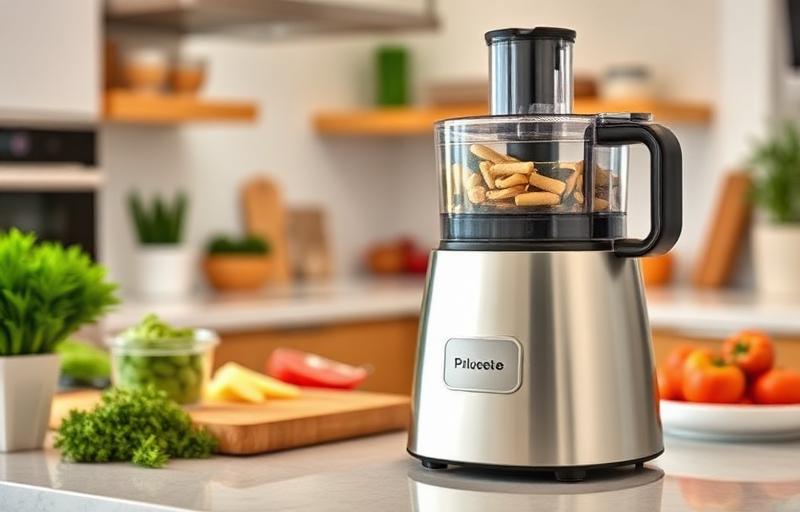
Food Processor
75–95 dB
Safe exposure
30 minutes
Per NIOSH 85 dBA / 8 h reference (3 dB exchange rate)
Above 85 dB can damage hearing with prolonged exposure. Use ear protection.
Personalized verdict
Is this dangerous for you?
Food Processor
85 dB
Typical
Your room
— dB
Tap Compare
Difference
—
Waiting
Audio is processed locally in your browser — nothing is recorded or sent. Prefer the full meter? Open Snap dB
Compare Food Processor to:
Quick Answer
A decibel (dB) is a logarithmic unit used to measure sound intensity: an increase of 10 dB means ten times more sound energy.
A food processor produces 75–95 dB depending on what you're processing and the speed setting. Hard foods like nuts and ice are louder than soft ingredients. Like blenders, food processors are among the loudest kitchen appliances but typical use is brief enough to be safe.
📊 Similar in loudness to a food blender running (about 85 dB).
At a glance
| Typical range | 75–95 dB |
|---|---|
| Safety tier | Loud |
| Safe exposure (NIOSH REL) | 1 hour |
| Audible at | ~20–30 ft |
Louder than a running shower (70 dB), quieter than a nightclub dance floor (100 dB).
How these figures were determined: Values are based on published reference levels from NIOSH, OSHA, the WHO and the CDC, together with manufacturer specifications where available. Actual sound levels vary with distance, room acoustics, equipment condition and measurement method, and readings taken with a phone microphone are estimates rather than calibrated measurements.
Food Processor Noise by Task
Volume varies by what you're processing:
- Soft vegetables (pulse): 75–80 dB
- Chopping herbs/onions: 78–83 dB
- Shredding cheese: 80–85 dB
- Mixing dough: 82–88 dB
- Crushing nuts/ice: 88–95 dB
- Continuous high speed: 85–92 dB
This might be louder than you think…
Noise Level: Food Processor
Classification
Moderate
Safe Exposure
8 hours
Food Processor vs Blender Noise
Food processors are generally 2–5 dB quieter than blenders at equivalent tasks. The design difference explains why:
- Food processor: 75–95 dB (wider bowl, lower RPM, less cavitation)
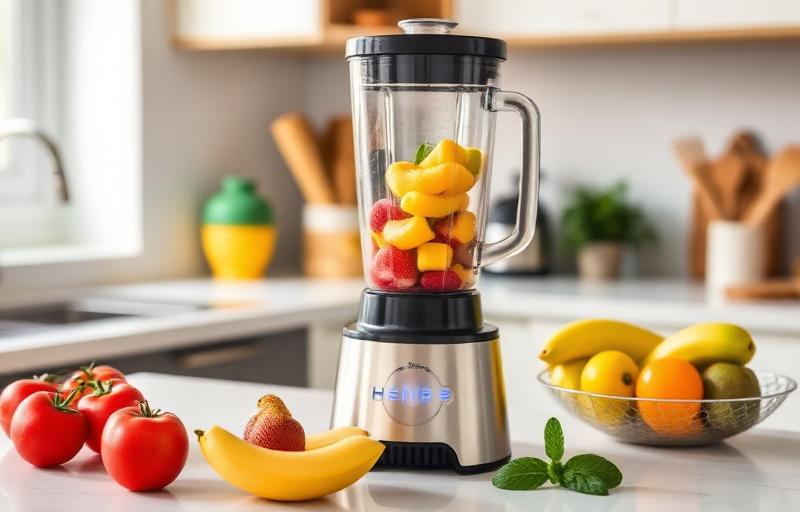
- Blender: 80–95 dB (narrow container, higher RPM, more cavitation)
- The wider bowl disperses sound energy more evenly
- Blenders create more cavitation noise in liquids
- Both are safe for typical kitchen use durations
Here's where it becomes dangerous…
City dwellers are exposed to an average of 10 dB more ambient noise than rural residents throughout the day.
Measure Your Environment
Use Snap Decibel Meter to estimate the sound level around you right now.
Open Noise MeterHearing Considerations
Food processors at 85+ dB technically exceed the hearing damage threshold, but typical processing sessions last 15–60 seconds — well within safe limits even at 95 dB (NIOSH allows 47 minutes).
In commercial kitchens where food processors run for extended periods, hearing protection should be considered. Professional chefs and kitchen staff face cumulative noise from multiple appliances running simultaneously — blender, food processor, mixer, and ventilation hood can combine to exceed 95 dB.
Reducing Food Processor Noise
Simple ways to reduce food processor noise in your kitchen:
- Use pulse mode instead of continuous (reduces total exposure time)
- Place a rubber mat under the base to absorb vibration
- Process softer ingredients first (quieter starting point)
- Keep blades sharp (dull blades work harder, creating more noise and vibration)
- Close kitchen door to contain noise from reaching other rooms
- Pre-cut hard ingredients into smaller pieces before processing
Now that you know the real level, test your own environment.
What Makes Food Processor Sound the Way It Does
When running normally, food processor produces 75–95 dB of sound — a figure measured at the standard 1-meter distance used by appliance testing laboratories. Actual in-home readings can vary by ±5 dB depending on installation, floor type, and room size.
The 75–95 dB range puts food processor at the boundary where noise transitions from "annoying" to "potentially harmful." NIOSH sets 85 dBA over 8 hours as its recommended exposure limit, and OSHA uses the same 85 dBA 8-hour average as the action level that triggers a hearing conservation program. Below this, the risk is primarily comfort and stress; above it, physical damage to hearing structures becomes measurable with sufficient exposure duration.
In a typical kitchen (3m × 4m, tile floor, granite counters), food processor is louder than its rated specification due to reflections from hard surfaces adding 4–8 dB. Moving food processor to a pantry or closing the kitchen door reduces exposure in adjacent rooms by 15–25 dB — the single most effective noise reduction strategy.
Why Food processor Gets Louder Over Time
A well-maintained food processor should produce consistent noise levels throughout its lifespan. When food processor starts getting louder, it's usually a warning sign: worn bearings increase friction noise by 3–8 dB, loose components rattle and vibrate, and dirty filters or vents create turbulent airflow that adds high-frequency hissing.
Regular maintenance keeps food processor at its rated 75–95 dB: lubricate moving parts according to the manufacturer's schedule, clean filters and vents monthly, tighten mounting hardware quarterly, and replace worn seals and gaskets before they fail completely. A sudden noise increase of 5+ dB warrants professional inspection — it often precedes mechanical failure.
- Check and tighten all visible fasteners every 6 months
- Clean dust and debris from motor vents and air intakes
- Replace worn rubber feet and anti-vibration mounts annually
- Listen for new sounds: grinding, squealing, or clicking indicate developing problems
- Keep the manufacturer's noise specification for comparison during maintenance checks
Putting Food Processor Noise in Perspective
The closest everyday comparison to food processor at 75–95 dB is a food blender running, which registers at 85 dB. Both sounds occupy the same energy band and present similar exposure considerations, though their frequency profiles and duration patterns create distinct listening experiences.
On the quieter end, a vacuum cleaner at 10 feet registers about 75 dB — that's 10 dB below food processor, representing roughly 2× less perceived loudness. Moving louder, a motorcycle at 25 feet reaches 95 dB — 10 dB above food processor, approximately 2× louder to your ears.
The noise gap between appliance generations is widening. A food processor from 2010 typically produces 8–15 dB more noise than a 2024 equivalent thanks to brushless motors, improved insulation, and computer-optimized airflow design. If your food processor seems loud, upgrading to a current model may deliver the most noticeable quality-of-life improvement.
Safe Exposure Duration for Food Processor
According to NIOSH guidelines, the maximum safe exposure time at 95 dB is 1 hour. Earplugs or earmuffs are strongly recommended.
NIOSH Exposure Limits Reference
Choosing a Quieter Food processor: Buyer's Guide
When shopping for food processor, look for the decibel rating in the product specifications — it's usually listed as "sound level," "noise level," or "acoustic emission." Lower numbers mean quieter operation. The difference between a 95 dB model and a 85 dB model is dramatic — the quieter unit sounds roughly half as loud.
Premium brands often invest in noise-reduction engineering: direct-drive motors (eliminating belt vibration), sound-insulating housing materials, anti-vibration mounting systems, and optimized airflow paths. These features add 15–30% to the purchase price but deliver 5–15 dB of noise reduction that lasts the product's entire lifespan.
Energy efficiency and noise are often correlated — modern inverter-driven motors in food processor adjust speed continuously rather than cycling on and off, reducing both peak noise levels and energy consumption by 20–40%. Look for Energy Star certification as an indirect indicator of quieter operation.
Reducing Your Exposure to Food Processor Noise
Because food processor reaches 95 dB, hearing protection during exposure is not optional — it's a medical necessity. The type and level of protection depends on your exposure pattern: occasional home users can rely on disposable foam earplugs (NRR 29–33), while daily professional users should invest in custom-molded earplugs or electronic earmuffs.
Newer food processor models with inverter motors are significantly quieter because they vary speed continuously rather than cycling between full-power and off. This eliminates the startup surge that produces the loudest noise spikes. If your food processor is more than 8 years old, a modern replacement may be 10–15 dB quieter during the loudest operation phases.
- Close kitchen or laundry room doors during operation for 15–20 dB reduction
- Check manufacturer specs for dB ratings when replacing — modern models are 5–15 dB quieter
- Clean filters, vents, and intake ports regularly to prevent turbulence noise buildup
- Place rubber anti-vibration pads under food processor to decouple it from counters and floors
- Level the unit precisely — even 2mm of imbalance creates audible vibration harmonics
How to Measure Food Processor Sound Accurately
To measure food processor noise accurately, position your smartphone or decibel meter at the distance where you normally stand or sit during operation — typically 1–2 meters. Measure for at least 30 seconds to capture the full operating cycle, including startup surges, steady-state operation, and any cycling patterns. Record the Leq (equivalent continuous level) rather than the peak for the most representative reading.
For sounds at 85 dB like food processor, most smartphone decibel meter apps provide reasonably accurate readings (typically within ±3–5 dB of professional equipment). For more precision, calibrate your app against a known reference sound or use a dedicated Type 2 sound level meter. The key to accuracy is consistent positioning and adequate sampling time.
Health Risks of Food Processor Noise Exposure
Regular unprotected exposure to food processor at 95 dB poses a real risk of noise-induced hearing loss (NIHL). The hair cells in your cochlea convert sound vibrations into electrical signals for the brain. Excessive noise physically damages these delicate structures, and unlike birds and reptiles, humans cannot regenerate damaged hair cells — the loss is permanent.
Warning signs of overexposure to food processor noise include: ringing, buzzing, or hissing in the ears after exposure; speech sounding muffled or distant; difficulty following conversations in restaurants or social settings; and needing to gradually increase TV or headphone volume. If you experience any of these after exposure to food processor, reduce future exposure immediately and consult an audiologist.
Warning Signs of Overexposure
- Ringing, buzzing, or hissing in your ears after exposure to food processor
- Sounds seem muffled or distant after leaving the noisy environment
- Difficulty understanding speech in crowded or noisy settings
- Gradually increasing your TV or headphone volume over weeks
Measure Food Processor Noise Yourself
Want to know how loud food processor is in your own environment? Use our free decibel meter to take a real-time reading, or check the complete decibel chart to see where 75–95 dB sits on the full scale. You can also compare sounds side by side or use the noise distance calculator to estimate levels at different distances.
🎯 Guess the Decibel Level
How loud do you think Food Processor is? Drag the slider and find out!
Frequently Asked Questions
Is a food processor louder than a blender?
Usually slightly quieter (2–5 dB less) because of the wider bowl and typically lower RPM, but the difference is small.
Can food processor noise damage hearing?
Not with typical home use. Sessions are too brief. In commercial settings with extended use, hearing protection is wise.
Why does my food processor sound louder than usual?
Common causes: dull blades, overloaded bowl, loose lid, or hard ingredients like ice or frozen food.
Explore More
Related Noise Guides
How Loud Is a Dishwasher? Decibel Levels Explained
Modern dishwashers produce 40–60 dB — quieter than many people think. Here's how to interpret dishwasher noise ratings.
5 min readHome NoiseHow Loud Is a Microwave Oven? (Decibels Explained)
Microwaves: 55–75 dB — louder than you think.
6 min readDecibel QuestionsIs 80 dB Loud? When Noise Starts Getting Serious
80 dB is genuinely loud — think alarm clock or busy traffic. It's approaching the danger zone. Here's what you need to know.
5 min readHome Appliance NoiseHow Loud Is a Blender? Kitchen Noise Levels Measured
A typical blender produces 80–95 dB — louder than a vacuum cleaner and approaching hearing damage thresholds at full power.
4 min readHow Does Food Processor Compare?
Tap any sound to learn more about its noise level.
| Sound level | Sound | Vs. Food Processor | Risk |
|---|---|---|---|
| 85 dB | Food Processor (this page) | — | Moderate |
| 73 dB | Electric Guitar Amp | −12 dB quieter | Moderate |
| 73 dB | Espresso Machine | −12 dB quieter | Moderate |
| 78 dB | Traffic Noise | −7 dB quieter | Moderate |
| 85 dB | What Noise Level Is Safe for Humans | same level | Moderate |
| 97 dB | Table Saw | +12 dB louder | Loud |
| 98 dB | How Loud Are Headphones at Max Volume | +13 dB louder | Loud |
Compare With Other Sounds
See how this noise level compares to other everyday sounds.
Test Your Environment
Use Snap Decibel Meter to measure sound levels around you — free, private, and instant.
Start Noise Measurement