How Loud Is a Cricket Chirping? Decibel Levels Explained
Crickets chirp at 50–100 dB, with some species producing remarkably loud calls for their tiny size.
Reviewed by our team against authoritative public-health sources. See our editorial standards.
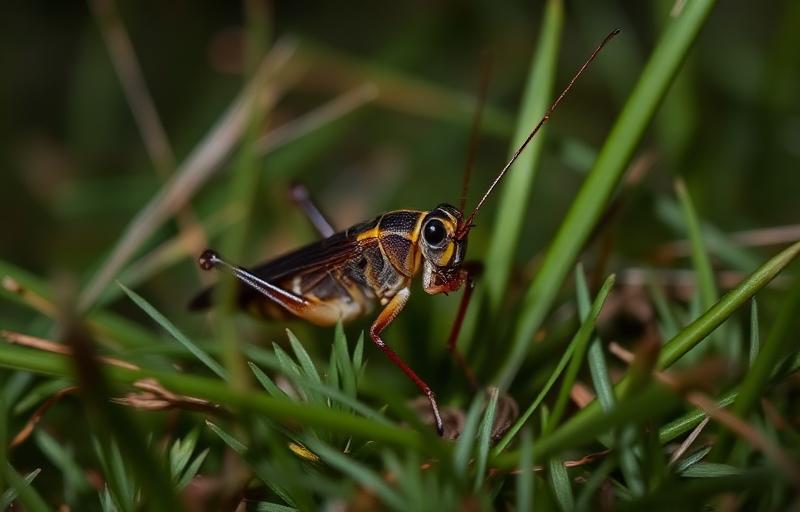
Cricket Chirping
50–100 dB
Safe exposure
7 minutes
Per NIOSH 85 dBA / 8 h reference (3 dB exchange rate)
Above 85 dB can damage hearing with prolonged exposure. Use ear protection.
Personalized verdict
Is this dangerous for you?
Cricket Chirping
75 dB
Typical
Your room
— dB
Tap Compare
Difference
—
Waiting
Audio is processed locally in your browser — nothing is recorded or sent. Prefer the full meter? Open Snap dB
Compare Cricket Chirping to:
Quick Answer
A decibel (dB) is a logarithmic unit used to measure sound intensity: an increase of 10 dB means ten times more sound energy.
Cricket chirping ranges from 50 to 100 decibels. Common house crickets produce 55–70 dB at close range. Field crickets reach 65–80 dB. Mole crickets, which use underground burrows as acoustic amplifiers, can produce 90–100 dB — remarkably loud for an insect weighing less than 5 grams.
📊 Similar in loudness to a vacuum cleaner at 10 feet (about 75 dB).
At a glance
| Typical range | 50–100 dB |
|---|---|
| Safety tier | Loud |
| Safe exposure (NIOSH REL) | 15 minutes |
| Audible at | ~20–30 ft |
Louder than a quiet office (45 dB), quieter than a helicopter overhead at 100 feet (105 dB).
How these figures were determined: Values are based on published reference levels from NIOSH, OSHA, the WHO and the CDC, together with manufacturer specifications where available. Actual sound levels vary with distance, room acoustics, equipment condition and measurement method, and readings taken with a phone microphone are estimates rather than calibrated measurements.
How Crickets Produce Sound
Crickets produce sound by stridulation — rubbing a scraper on one wing against a file-like ridge on the other. This produces vibrations at species-specific frequencies, typically 3–8 kHz. The wing surface acts as a sound-radiating membrane, converting the mechanical vibration into airborne sound with surprising efficiency.
Mole crickets take this further by constructing horn-shaped burrows that function as acoustic amplifiers, boosting their calls by 10–20 dB. The burrow's geometry is tuned to the cricket's call frequency, creating a natural megaphone that can project the call over 600 meters.
This might be louder than you think…
Noise Level: Cricket Chirping
Classification
Moderate
Safe Exposure
No time limit
Cricket Chirping and Temperature
Cricket chirp rate is directly linked to temperature — a relationship so reliable it's known as Dolbear's Law. By counting chirps per 14 seconds and adding 40, you get an approximate temperature in Fahrenheit. Warmer temperatures increase metabolic rate, causing crickets to chirp faster, louder, and more persistently. A hot summer night produces significantly more cricket noise than a cool one.
Typical Sound Levels
Here's where it becomes dangerous…
Sound travels about 4.3 times faster through water than through air — roughly 1,480 m/s vs 343 m/s.
Measure Your Environment
Use Snap Decibel Meter to estimate the sound level around you right now.
Open Noise MeterCricket Noise and Sleep
A single cricket trapped indoors can produce 60–70 dB of persistent chirping at 3–5 kHz — a frequency range that cuts through background noise effectively. In a quiet bedroom (25–35 dB ambient), a cricket chirping at 65 dB is perceived as extremely loud and disruptive.
Outdoor cricket choruses can produce 65–80 dB at the window. Combined with an open window, indoor levels of 50–65 dB can significantly disrupt sleep. White noise machines that include the 3–5 kHz range can help mask cricket calls.
Now that you know the real level, test your own environment.
Understanding Cricket Chirping Noise Levels
Bioacousticians measure cricket chirping using calibrated sound level meters positioned at standardized distances (typically 1 meter for small animals, 10 meters for large ones). Under field conditions, cricket chirping registers 50–100 dB, though individual variation, health status, and environmental acoustics can shift readings by 5–10 dB.
At 50–100 dB, you would need to speak loudly to be understood at arm's length. This volume triggers the acoustic reflex — your stapedius muscle contracts to dampen sound transmission through the middle ear — but this protective mechanism fatigues with sustained exposure and provides only 10–15 dB of attenuation.
Seasonal and circadian patterns affect cricket chirping noise intensity. Many species vocalize most actively during dawn and dusk (crepuscular periods), and breeding seasons can amplify both the frequency and intensity of calls by 5–15 dB as individuals compete for mates.
The Biology Behind Cricket chirping Vocalizations
Cricket chirping sound production involves specialized anatomical structures that have evolved over millions of years. Most vertebrate vocalizations are produced by vibrating membranes (vocal cords, syrinx, or specialized skin patches) that convert respiratory airflow into acoustic energy. The size of these structures determines the fundamental frequency — larger animals generally produce lower-pitched calls.
The intensity of cricket chirping vocalizations at 50–100 dB reflects significant metabolic investment. Producing loud calls requires sustained respiratory effort, and the energy cost scales exponentially with volume. A 10 dB increase in vocal output requires roughly 10× more metabolic energy, which is why animals typically reserve their loudest calls for high-stakes situations like territorial defense or mating.
Hearing sensitivity in animals often matches their own vocalization frequencies. Species that produce cricket chirping sounds at 50–100 dB typically have peak hearing sensitivity in the same frequency range, ensuring that conspecifics can detect calls over the longest possible distance while filtering out environmental noise in other frequency bands.
Cricket Chirping vs. Common Noise Sources
At 50–100 dB, cricket chirping produces roughly the same sound pressure level as a vacuum cleaner at 10 feet (75 dB). Both sit in the "clearly loud" range. If you've experienced one, you have a reliable reference for the other — though the frequency content and temporal pattern make each sound subjectively different.
On the quieter end, normal conversation at 3 feet registers about 60 dB — that's 15 dB below cricket chirping, representing roughly 3× less perceived loudness. Moving louder, heavy city traffic from the sidewalk reaches 88 dB — 13 dB above cricket chirping, approximately 2× louder to your ears.
In the animal kingdom, vocalization volume spans an enormous range — from a moth's ultrasonic click at 20 dB to a sperm whale's click at 230 dB underwater (the loudest biological sound recorded). Cricket chirping at 50–100 dB fits in the moderately loud range shared with medium dog barks and cicada choruses.
Safe Exposure Duration for Cricket Chirping
According to NIOSH guidelines, the maximum safe exposure time at 100 dB is 15 minutes. Even brief exposure requires hearing protection.
NIOSH Exposure Limits Reference
Seasonal Patterns of Cricket chirping Noise
Cricket chirping noise follows predictable seasonal rhythms driven by breeding cycles, migration patterns, and food availability. Peak vocalization periods typically coincide with mating seasons, when males compete for female attention through escalating vocal displays. During these periods, the sustained acoustic output can be 10–20 dB higher than baseline.
For people living near cricket chirping habitats, understanding these seasonal patterns helps with planning. Breeding season noise typically lasts 4–12 weeks and follows a bell curve — gradually increasing, peaking for 2–3 weeks, then tapering off. Knowing when the peak occurs allows you to prepare with white noise machines, earplugs, or temporary schedule adjustments.
Hearing Protection Strategies for Cricket Chirping
At 100 dB, cricket chirping exceeds the hearing damage threshold of 85 dB. Your approach to protection should match your exposure: brief, infrequent contact (minutes per week) poses minimal risk even unprotected, but regular exposure (daily or weekly for 30+ minutes) demands consistent use of NRR 20+ hearing protection to prevent cumulative damage.
Managing cricket chirping noise requires different strategies than mechanical noise because the source is a living creature. Sound masking (white noise machines tuned to the vocalization frequency) is often more effective than blocking. For outdoor exposure, strategic landscaping — dense hedgerows, earth berms — provides both visual screening and 3–8 dB of sound attenuation.
- Use foam earplugs at night if cricket chirping disrupts sleep (NRR 25+ blocks most animal vocalizations)
- Keep interior doors closed between living areas and the noise source
- Use a white noise machine tuned to match cricket chirping vocalization frequencies for effective masking
- Install double-glazed windows facing the noise source for 25–30 dB of attenuation
- Plant dense hedgerows as natural sound barriers (5–8 dB reduction per 30m depth)
Test It Yourself: Measuring Cricket Chirping Noise
Long-term noise monitoring gives the most representative picture of cricket chirping exposure. Set a recording device to capture overnight or multi-day data, then analyze for peak levels, frequency of vocalization bouts, and cumulative exposure. This approach reveals patterns that a single spot measurement would miss.
For sounds at 75 dB like cricket chirping, most smartphone decibel meter apps provide reasonably accurate readings (typically within ±3–5 dB of professional equipment). For more precision, calibrate your app against a known reference sound or use a dedicated Type 2 sound level meter. The key to accuracy is consistent positioning and adequate sampling time.
How Cricket Chirping Noise Affects Your Health
The progression of hearing damage from cricket chirping exposure follows a predictable pattern: first, temporary threshold shift (sounds seem muffled after exposure), then persistent tinnitus (ringing or buzzing that doesn't resolve), then permanent threshold shift (measurable hearing loss on audiometric testing). Early-stage damage is often unnoticed because the brain compensates by "filling in" missing signals from context.
Warning signs of overexposure to cricket chirping noise include: ringing, buzzing, or hissing in the ears after exposure; speech sounding muffled or distant; difficulty following conversations in restaurants or social settings; and needing to gradually increase TV or headphone volume. If you experience any of these after exposure to cricket chirping, reduce future exposure immediately and consult an audiologist.
Warning Signs of Overexposure
- Ringing, buzzing, or hissing in your ears after exposure to cricket chirping
- Sounds seem muffled or distant after leaving the noisy environment
- Difficulty understanding speech in crowded or noisy settings
- Gradually increasing your TV or headphone volume over weeks
Measure Cricket Chirping Noise Yourself
Want to know how loud cricket chirping is in your own environment? Use our free decibel meter to take a real-time reading, or check the complete decibel chart to see where 50–100 dB sits on the full scale. You can also compare sounds side by side or use the noise distance calculator to estimate levels at different distances.
🎯 Guess the Decibel Level
How loud do you think Cricket Chirping is? Drag the slider and find out!
Frequently Asked Questions
How loud is a cricket?
Crickets produce 50–100 dB depending on species. Common house crickets chirp at 55–70 dB.
Why are crickets louder on warm nights?
Higher temperatures increase cricket metabolic rate, causing faster, louder, and more persistent chirping.
How do I stop cricket noise at night?
Seal entry points, use white noise machines, and reduce outdoor lighting that attracts crickets to your home.
Explore More
Related Noise Guides
How Loud Is Rain? From Drizzle to Thunderstorm
Rain ranges from 35 dB (light drizzle) to 70 dB (heavy rain on a metal roof) — a natural white noise source loved by sleepers.
4 min readAnimal NoiseHow Loud Is a Cat Purring? The Quietest Animal Sound
A cat purring produces 25–50 dB — one of the softest, most soothing sounds in nature. Some exceptional cats purr as loud as 67 dB.
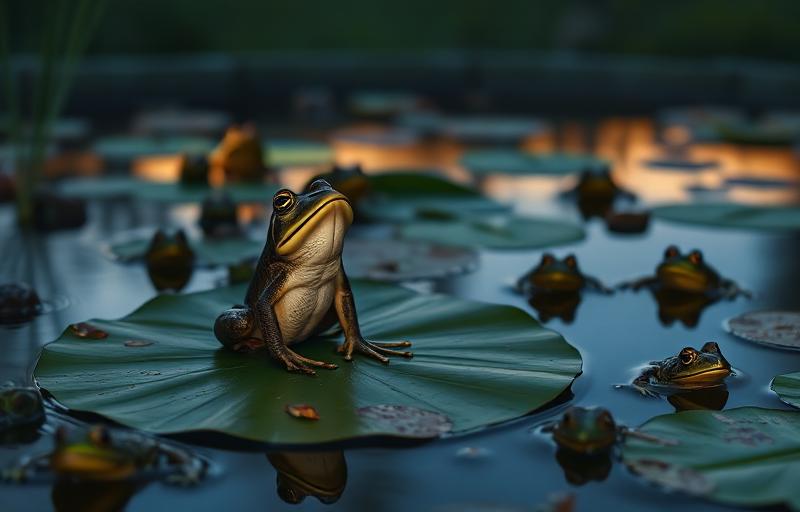
4 min readAnimal NoiseHow Loud Is a Frog Croaking? Decibel Levels Explained
Frogs produce 50–100 dB depending on species — some tropical species are as loud as a lawnmower.
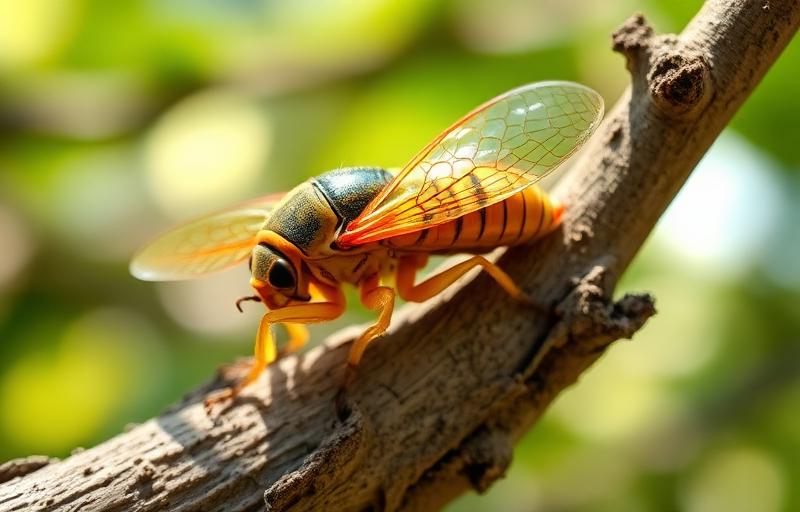
5 min readAnimal NoiseHow Loud Is a Cicada? Decibel Levels Explained
Cicadas are nature's loudest insects at 80–120 dB, with mass emergences creating sound walls rivaling machinery.
5 min readHow Does Cricket Chirping Compare?
Tap any sound to learn more about its noise level.
| Sound level | Sound | Vs. Cricket Chirping | Risk |
|---|---|---|---|
| 75 dB | Cricket Chirping (this page) | — | Moderate |
| 63 dB | School Classroom | −12 dB quieter | Moderate |
| 64 dB | Clothes Dryer | −11 dB quieter | Moderate |
| 70 dB | The Complete Guide to Noise Levels and Decibels | −5 dB quieter | Moderate |
| 85 dB | What Noise Level Is Safe for Humans | +10 dB louder | Moderate |
| 88 dB | Gym Music | +13 dB louder | Loud |
| 90 dB | Motorcycle | +15 dB louder | Loud |
Compare With Other Sounds
See how this noise level compares to other everyday sounds.
Test Your Environment
Use Snap Decibel Meter to measure sound levels around you — free, private, and instant.
Start Noise Measurement