Is 120 dB Dangerous? The Pain Threshold Explained
120 dB is the threshold of pain. Even a few seconds can cause permanent hearing damage. Sirens, jet engines, and gunshots reach this territory.
Reviewed by our team against authoritative public-health sources. See our editorial standards.
Quick Answer
A decibel (dB) is a logarithmic unit used to measure sound intensity: an increase of 10 dB means ten times more sound energy.
120 dB is extremely dangerous — it is the threshold of physical pain. Even seconds of exposure can cause permanent hearing damage. Sources include ambulance sirens at close range, jet engines, and thunder near a lightning strike. Maximum protection is essential.
📊 Similar in loudness to an ambulance siren at 10 feet (about 120 dB).
Prolonged exposure above 85 dB can damage hearing.
At a glance
| Typical range | 120 dB |
|---|---|
| Safety tier | Dangerous |
| Safe exposure (NIOSH REL) | Immediate risk |
Louder than a car horn at 3 feet (115 dB), quieter than a jet takeoff at 100 metres (130 dB).
How these figures were determined: Values are based on published reference levels from NIOSH, OSHA, the WHO and the CDC, together with manufacturer specifications where available. Actual sound levels vary with distance, room acoustics, equipment condition and measurement method, and readings taken with a phone microphone are estimates rather than calibrated measurements.
120 dB: Where Sound Becomes Physical Pain
One hundred twenty decibels marks the threshold of pain — the point at which sound transitions from merely loud to physically painful. At this level, your eardrums flex maximally, your acoustic reflex triggers in a futile attempt to protect your inner ear, and you instinctively recoil.
The sensation at 120 dB is unmistakable: a sharp, stabbing pressure deep in the ear canal, accompanied by an overwhelming need to escape the sound. It is your body's emergency alarm system — and it means damage is occurring in real time.
NIOSH does not assign a 'safe exposure time' at 120 dB because there is no safe duration. Even a few seconds delivers enough acoustic energy to permanently damage or destroy cochlear hair cells. This is the acoustic equivalent of touching a hot stove.
This might be louder than you think…
Noise Level: 120 dB
Classification
Dangerous
Safe Exposure
Immediate risk
What Produces 120 Decibels?
Ambulance and fire truck sirens produce 110–130 dB at close range (within 10 meters). When an emergency vehicle passes you on the street, the peak exposure can briefly touch 120 dB.
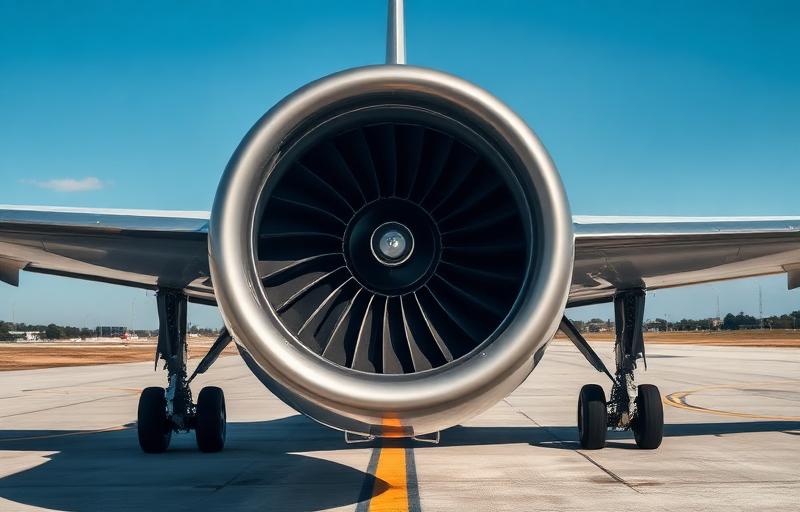
Jet engines at takeoff produce 130–150 dB at 30 meters. Airport ground crew work in 120+ dB environments daily and are required to wear double hearing protection (earplugs plus over-ear muffs).
Thunder from a nearby lightning strike reaches 120+ dB at the point of impact. Fireworks at launch produce 150+ dB, with spectator-distance levels of 100–120 dB.
- Ambulance siren at 10 meters: 110–120 dB
- Thunder (close lightning): 120+ dB
- Jet engine at 30 meters: 130–150 dB
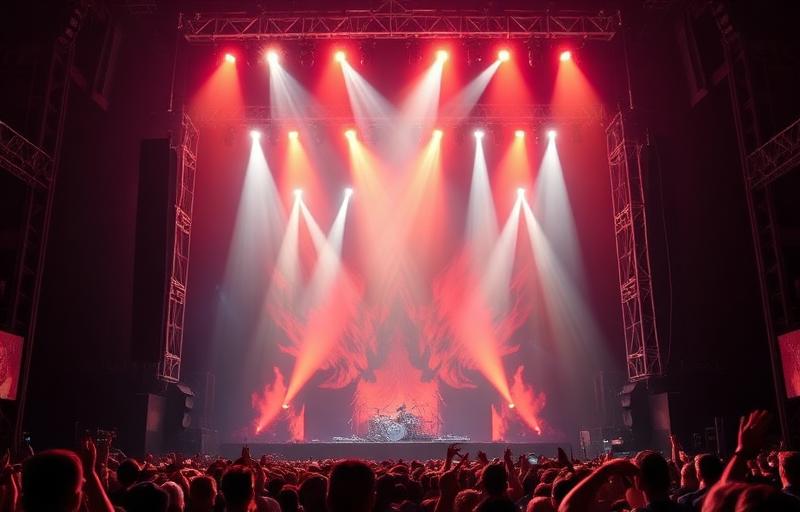
- Rock concert at speaker stacks: 115–125 dB
- Fireworks at 15 meters: 110–125 dB
- Gunshot: 140–170 dB
Typical Sound Levels
Here's where it becomes dangerous…
Continuous exposure to 85+ dB for 8 hours causes the same damage as 100 dB for just 15 minutes.
Measure Your Environment
Use Snap Decibel Meter to estimate the sound level around you right now.
Open Noise MeterHow 120 dB Causes Instant Damage
At 120 dB, the sound energy hitting your cochlea is 1,000 times more intense than at the 85 dB damage threshold. The hair cells in your inner ear cannot survive this assault — they are physically sheared or killed.
A single impulse at 120+ dB (a gunshot, a firework, a nearby thunder clap) can cause immediate permanent hearing loss and tinnitus. There is no recovery, no treatment, and no hearing aid that fully restores what is lost.
Even with hearing protection providing 30 dB of reduction, 120 dB drops to 90 dB — still above the safe threshold. At these extreme levels, maximum protection (earplugs plus muffs) is the only adequate defense.
Protection at 120 dB: Maximum Measures Required
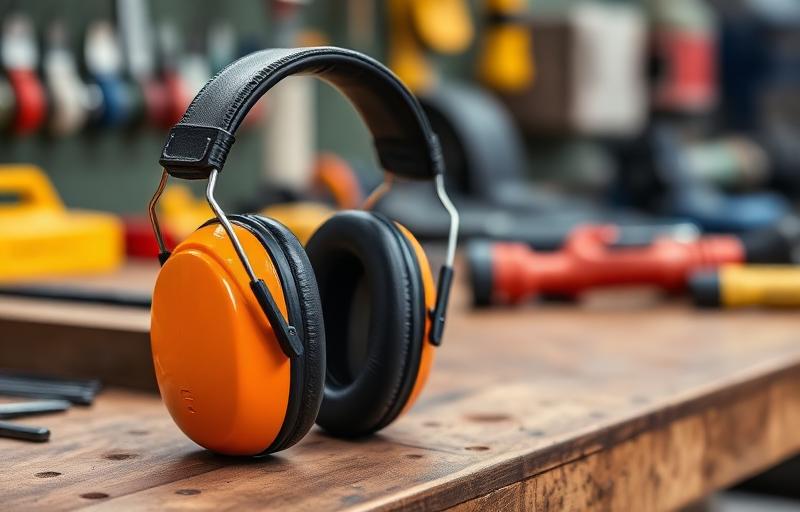
At 120 dB, standard foam earplugs (25 dB reduction) are insufficient alone — they only bring levels to 95 dB. You need dual protection: foam earplugs under over-ear muffs, providing 35–45 dB of total reduction.
For airport ground crew, concert sound engineers, and military personnel, electronic hearing protection with active noise cancellation provides the best combination of protection and situational awareness.
The best protection at 120 dB is distance. Sound decreases by 6 dB with every doubling of distance. Moving from 10 meters to 40 meters from a siren reduces your exposure by 12 dB — from dangerous to manageable.
Now that you know the real level, test your own environment.
What 120 dB Actually Means
120 dB describes a sound pressure level, not a specific object — many different sources can register at this level depending on distance, enclosure and how the sound is produced. Because the decibel scale is logarithmic, every 10 dB step represents ten times more acoustic energy and roughly a doubling of perceived loudness, which is why the gap between 120 dB and 130 dB feels much larger than the numbers suggest.
In practical terms, 120 dB is close to an ambulance siren at 10 feet, which sits at about 120 dB and is generally described as instant pain. That reference is a useful anchor: if you can picture how that sound feels in a room, you have a reasonable sense of what 120 dB means.
Distance and room acoustics move this figure considerably. Doubling your distance from a point source removes about 6 dB in the open, while a small room with hard surfaces can add 3–6 dB of reverberant build-up. This is why the same source can read very differently in two rooms.
Published reference levels like these come from occupational and public-health sources — NIOSH, OSHA, the WHO and the CDC — measured with calibrated, A-weighted instruments. Readings you take with a phone are useful for comparing one environment with another, but they are relative estimates rather than calibrated measurements, so treat small differences with caution.
Everyday Sounds Around 120 dB
On the quieter side, a car horn at 3 feet registers about 115 dB — 5 dB below 120 dB. On the louder side, a jet takeoff at 100 metres reaches roughly 130 dB, which is 10 dB above it. Because 10 dB is heard as about twice as loud, those gaps translate into clearly different listening experiences rather than minor variations.
Comparisons are most useful when they respect measurement conditions. A level quoted "at 1 metre" is not the same figure as the same source heard across a room, and impulse sounds such as a slam, a gunshot or a thunderclap have peak pressures far above the average level a meter displays. Whenever a figure looks surprising, check the distance and the averaging method before drawing conclusions.
If you want to place 120 dB on the full scale, the decibel chart lists reference levels from near-silence up to immediate-damage territory, and the sound comparison tool lets you line up two sounds side by side.
Safe Exposure Duration at 120 dB
According to NIOSH guidelines, the maximum safe exposure time at 120 dB is Immediate risk. This level can cause instant pain and hearing damage.
NIOSH Exposure Limits Reference
Protecting Your Hearing at 120 dB
At 120 dB, 120 db exceeds the hearing damage threshold of 85 dB. Your approach to protection should match your exposure: brief, infrequent contact (minutes per week) poses minimal risk even unprotected, but regular exposure (daily or weekly for 30+ minutes) demands consistent use of NRR 20+ hearing protection to prevent cumulative damage.
The most effective noise reduction combines source treatment, path interruption, and receiver protection — the "source-path-receiver" model used by acoustic engineers. For 120 db at 120 dB, start at the source (can you reduce the noise output?), then address the path (can you add distance, barriers, or absorption?), and finally protect yourself (hearing protection, time limits).
- Monitor cumulative daily exposure — multiple moderate sources compound over time
- Increase distance from 120 db when possible — every doubling cuts the level by 6 dB
- Measure 120 db noise with a smartphone app to establish your actual exposure level
- Add soft furnishings (rugs, curtains, upholstered furniture) to absorb reflected 120 db sound
- Close doors and seal gaps between rooms to reduce transmitted noise by 15–25 dB
Checking Whether Your Environment Reaches 120 dB
Measuring around 120 dB is mostly about consistency. Use the same position, the same height and the same duration each time, and make sure background noise is well below the sound you care about. A single instantaneous number is far less informative than a 30–60 second average taken the same way twice.
Phone-based measurements have real limits. Microphones vary between models, browsers may apply automatic gain control or noise suppression, and there is no absolute calibration reference. Snap Decibel Meter is unweighted and ambient-referenced, so it is best used to compare environments and track changes rather than to certify an absolute figure. For compliance work, a Type 2 sound level meter is the appropriate instrument.
If you need levels at a different distance than you can safely measure, the noise distance calculator applies the inverse-square relationship for you, which is often more reliable than trying to measure close to a loud source.
Hearing Risk at 120 dB
Hearing risk depends on level and time together, not level alone. NIOSH's recommended exposure limit is 85 dBA for eight hours, with a 3 dB exchange rate: each 3 dB increase halves the time you can safely accumulate. At 120 dB, that arithmetic is what matters — brief exposure may be unremarkable while a full working day at the same level is not.
Damage at these levels is usually gradual and painless, which is why it goes unnoticed. Temporary muffling or ringing after exposure is a warning that the inner ear has been stressed; repeated episodes tend to leave permanent loss, because the hair cells involved do not regenerate in humans.
Note that NIOSH and OSHA thresholds are expressed in A-weighted decibels measured with calibrated instruments. They are reference guidance for interpreting a level, and are not directly validated against an unweighted phone estimate.
Warning Signs of Overexposure
- Ringing, buzzing, or hissing in your ears after exposure to noise around 120 dB
- Sounds seem muffled or distant after leaving the noisy environment
- Difficulty understanding speech in crowded or noisy settings
- Gradually increasing your TV or headphone volume over weeks
Check Whether Your Environment Reaches 120 dB
Want to know whether your own environment reaches 120 dB? Use our free decibel meter to take a real-time reading, or check the complete decibel chart to see where 120 dB sits on the full scale. You can also compare sounds side by side or use the noise distance calculator to estimate levels at different distances.
🎯 Guess the Decibel Level
How loud do you think 120 dB is? Drag the slider and find out!
Hearing Safety
120 dB is the pain threshold. Even brief exposure causes permanent hearing damage. Use maximum hearing protection (earplugs + muffs) and increase distance from the source.
Frequently Asked Questions
Can 120 dB make you deaf?
A single sustained or impulse exposure at 120+ dB can cause immediate permanent hearing loss, particularly at higher frequencies.
How long can you withstand 120 dB?
There is no safe exposure time. Even seconds of unprotected exposure at 120 dB causes permanent damage.
Is a siren 120 dB?
Yes, at close range (within 10 meters). Emergency vehicle sirens produce 110–130 dB.
Explore More
Related Noise Guides
When Does Sound Become Dangerous?
The line between safe and dangerous sound is clearer than you think. Here are the exact thresholds, time limits, and warning signs.
9 min readHearing SafetyIs 100 dB Dangerous? The 15-Minute Warning
100 dB gives you just 15 minutes of safe exposure. Nightclubs, power tools, and live music all exceed this level. Here's the full danger picture.
5 min readHearing SafetyIs 120 dB Dangerous? The Pain Threshold Explained
120 dB is the threshold of pain. Even a few seconds can cause permanent hearing damage. Sirens, jet engines, and gunshots reach this territory.
5 min readHow Does 120 dB Compare?
Tap any sound to learn more about its noise level.
| Sound level | Sound | Vs. 120 dB | Risk |
|---|---|---|---|
| 120 dB | 120 dB (this page) | — | Danger |
| 105 dB | Baby Cry | −15 dB quieter | Danger |
| 105 dB | Car Horn | −15 dB quieter | Danger |
| 110 dB | Concert or Festival | −10 dB quieter | Danger |
| 120 dB | 120 Decibels | same level | Danger |
| 140 dB | Airplane Takeoff | +20 dB louder | Danger |
| 158 dB | Gunshot | +38 dB louder | Danger |
Compare With Other Sounds
See how this noise level compares to other everyday sounds.

Test Your Environment
Use Snap Decibel Meter to measure sound levels around you — free, private, and instant.
Start Noise Measurement