Is 100 dB Dangerous? The 15-Minute Warning
100 dB gives you just 15 minutes of safe exposure. Nightclubs, power tools, and live music all exceed this level. Here's the full danger picture.
Reviewed by our team against authoritative public-health sources. See our editorial standards.
Quick Answer
A decibel (dB) is a logarithmic unit used to measure sound intensity: an increase of 10 dB means ten times more sound energy.
Yes, 100 dB is very dangerous. Safe exposure is limited to approximately 15 minutes. Common 100 dB sources include nightclubs, circular saws, angle grinders, and car stereos at maximum volume. Hearing protection is mandatory.
📊 Similar in loudness to a nightclub dance floor (about 100 dB).
Prolonged exposure above 85 dB can damage hearing.
At a glance
| Typical range | 100 dB |
|---|---|
| Safety tier | Loud |
| Safe exposure (NIOSH REL) | 15 minutes |
Louder than a motorcycle at 25 feet (95 dB), quieter than a helicopter overhead at 100 feet (105 dB).
How these figures were determined: Values are based on published reference levels from NIOSH, OSHA, the WHO and the CDC, together with manufacturer specifications where available. Actual sound levels vary with distance, room acoustics, equipment condition and measurement method, and readings taken with a phone microphone are estimates rather than calibrated measurements.
100 dB: Where Damage Happens Fast
At 100 decibels, the safe exposure window collapses to just 15 minutes. This is not a conservative estimate — it is the NIOSH-calculated point at which the acoustic energy hitting your cochlea exceeds the hair cells' ability to recover.
To appreciate how short 15 minutes really is: a typical nightclub visit lasts 3–4 hours. That delivers roughly 12–16 times the safe noise dose. One night out at 100 dB inflicts more hearing damage than a full workday in a noisy factory.
The math is unforgiving: 100 dB carries 10 times the acoustic energy of 90 dB and 100 times that of 80 dB. Your ears simply cannot withstand this intensity for more than a few minutes without protection.
Most people are surprised by how loud this actually is…
Noise Level: 100 dB
Classification
Loud – Hearing Risk
Safe Exposure
15 min
Where 100 dB Lurks in Daily Life
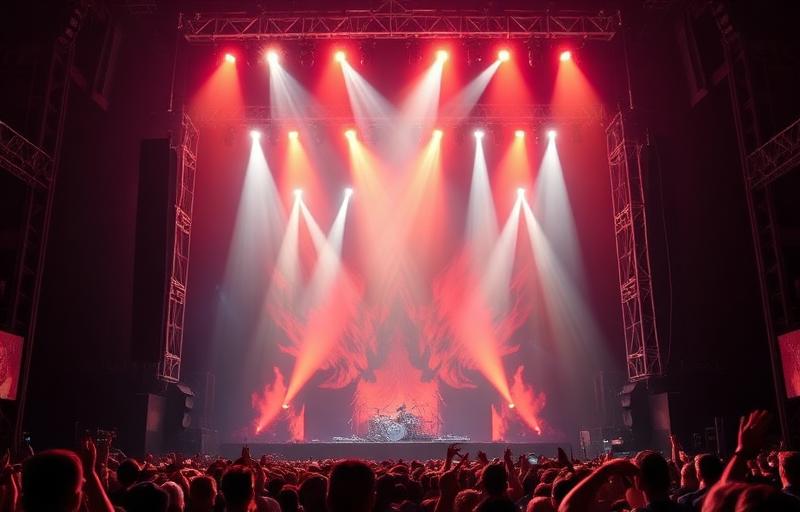
Nightclubs and loud bars are the most common recreational source of 100 dB, sustaining this level for hours. Live concerts reach 100–120 dB depending on genre and position. Sporting events in enclosed arenas regularly exceed 100 dB during peak moments.
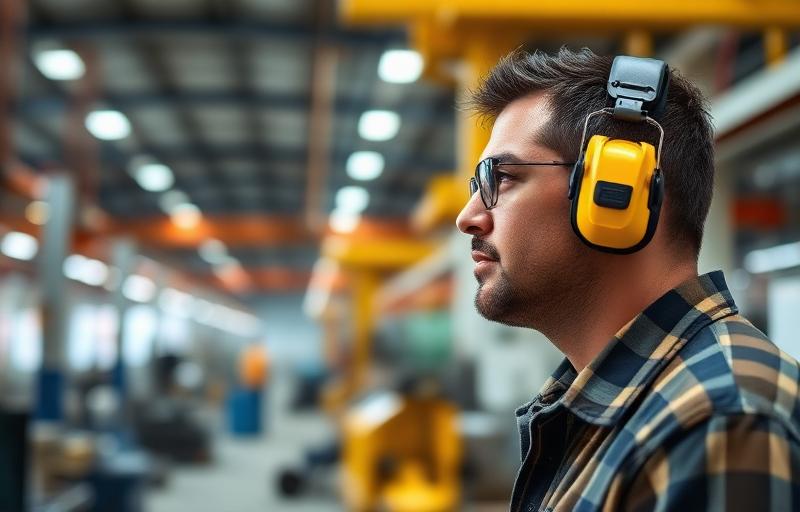
Power tools are the occupational equivalent: circular saws (100–105 dB), angle grinders (95–105 dB), and impact wrenches (100–110 dB) all sustain dangerous levels during operation.
- Nightclub dance floor: 95–110 dB
- Circular saw: 100–105 dB
- Car stereo at maximum: 100–110 dB
- Snowmobile at speed: 100–110 dB
- Angle grinder: 95–105 dB
- Stadium crowd (peak): 95–105 dB
Typical Sound Levels
Beyond this level, your hearing cells don't recover…
The world's quietest room at Microsoft measures -20.6 dB — so quiet you can hear your own blood flowing.
Measure Your Environment
Use Snap Decibel Meter to estimate the sound level around you right now.
Open Noise MeterThe Cumulative Trap
The danger of 100 dB is compounded by repetition. Monthly concert attendance, weekly nightclub visits, or daily power tool use creates a cumulative noise dose that accelerates hearing loss well beyond what single-event math predicts.
Most people who develop noise-induced hearing loss from recreational exposure do not notice symptoms until their 30s or 40s — by which point decades of damage have accumulated silently.
Hearing Protection Is Non-Negotiable
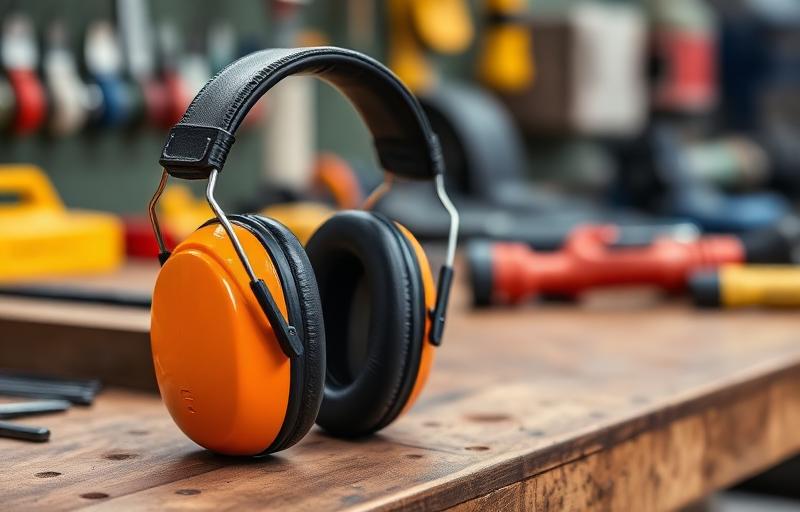
At 100 dB, you need at least 15 dB of attenuation to bring levels below the damage threshold. Foam earplugs (25–30 dB reduction) are more than adequate and cost less than a dollar.
For music enjoyment, musicians' earplugs reduce volume evenly without muffling sound quality. Many concert-goers report that music actually sounds better with good earplugs — you hear more detail without the overwhelming intensity.
Use Snap Decibel Meter to check the actual level in your environment. If it reads 95+ dB, you need protection immediately.
Now that you know the real level, test your own environment.
How Loud 100 dB Really Is
100 dB describes a sound pressure level, not a specific object — many different sources can register at this level depending on distance, enclosure and how the sound is produced. Because the decibel scale is logarithmic, every 10 dB step represents ten times more acoustic energy and roughly a doubling of perceived loudness, which is why the gap between 100 dB and 110 dB feels much larger than the numbers suggest.
In practical terms, 100 dB is close to a nightclub dance floor, which sits at about 100 dB and is generally described as very loud. That reference is a useful anchor: if you can picture how that sound feels in a room, you have a reasonable sense of what 100 dB means.
Distance and room acoustics move this figure considerably. Doubling your distance from a point source removes about 6 dB in the open, while a small room with hard surfaces can add 3–6 dB of reverberant build-up. This is why the same source can read very differently in two rooms.
Published reference levels like these come from occupational and public-health sources — NIOSH, OSHA, the WHO and the CDC — measured with calibrated, A-weighted instruments. Readings you take with a phone are useful for comparing one environment with another, but they are relative estimates rather than calibrated measurements, so treat small differences with caution.
100 dB vs. Common Noise Levels
On the quieter side, a motorcycle at 25 feet registers about 95 dB — 5 dB below 100 dB. On the louder side, a helicopter overhead at 100 feet reaches roughly 105 dB, which is 5 dB above it. Because 10 dB is heard as about twice as loud, those gaps translate into clearly different listening experiences rather than minor variations.
Comparisons are most useful when they respect measurement conditions. A level quoted "at 1 metre" is not the same figure as the same source heard across a room, and impulse sounds such as a slam, a gunshot or a thunderclap have peak pressures far above the average level a meter displays. Whenever a figure looks surprising, check the distance and the averaging method before drawing conclusions.
If you want to place 100 dB on the full scale, the decibel chart lists reference levels from near-silence up to immediate-damage territory, and the sound comparison tool lets you line up two sounds side by side.
Safe Exposure Duration at 100 dB
According to NIOSH guidelines, the maximum safe exposure time at 100 dB is 15 minutes. Even brief exposure requires hearing protection.
NIOSH Exposure Limits Reference
How to Reduce Exposure at 100 dB
Sustained exposure to 100 db at 100 dB requires a deliberate hearing protection strategy. The National Institute for Deafness recommends the "3-E" approach: Engineering controls (reduce the source noise), Environmental modifications (increase distance, add barriers), and Equipment (wear proper hearing protection). Apply these in order — prevent the noise first, protect against the remainder.
The most effective noise reduction combines source treatment, path interruption, and receiver protection — the "source-path-receiver" model used by acoustic engineers. For 100 db at 100 dB, start at the source (can you reduce the noise output?), then address the path (can you add distance, barriers, or absorption?), and finally protect yourself (hearing protection, time limits).
- Close doors and seal gaps between rooms to reduce transmitted noise by 15–25 dB
- Wear NRR 20+ hearing protection if 100 db exposure exceeds 85 dB
- Monitor cumulative daily exposure — multiple moderate sources compound over time
- Increase distance from 100 db when possible — every doubling cuts the level by 6 dB
- Measure 100 db noise with a smartphone app to establish your actual exposure level
Measuring Noise Near 100 dB: Methods and Limits
Measuring around 100 dB is mostly about consistency. Use the same position, the same height and the same duration each time, and make sure background noise is well below the sound you care about. A single instantaneous number is far less informative than a 30–60 second average taken the same way twice.
Phone-based measurements have real limits. Microphones vary between models, browsers may apply automatic gain control or noise suppression, and there is no absolute calibration reference. Snap Decibel Meter is unweighted and ambient-referenced, so it is best used to compare environments and track changes rather than to certify an absolute figure. For compliance work, a Type 2 sound level meter is the appropriate instrument.
If you need levels at a different distance than you can safely measure, the noise distance calculator applies the inverse-square relationship for you, which is often more reliable than trying to measure close to a loud source.
Health Effects of Noise at 100 dB
Hearing risk depends on level and time together, not level alone. NIOSH's recommended exposure limit is 85 dBA for eight hours, with a 3 dB exchange rate: each 3 dB increase halves the time you can safely accumulate. At 100 dB, that arithmetic is what matters — brief exposure may be unremarkable while a full working day at the same level is not.
Damage at these levels is usually gradual and painless, which is why it goes unnoticed. Temporary muffling or ringing after exposure is a warning that the inner ear has been stressed; repeated episodes tend to leave permanent loss, because the hair cells involved do not regenerate in humans.
Note that NIOSH and OSHA thresholds are expressed in A-weighted decibels measured with calibrated instruments. They are reference guidance for interpreting a level, and are not directly validated against an unweighted phone estimate.
Warning Signs of Overexposure
- Ringing, buzzing, or hissing in your ears after exposure to noise around 100 dB
- Sounds seem muffled or distant after leaving the noisy environment
- Difficulty understanding speech in crowded or noisy settings
- Gradually increasing your TV or headphone volume over weeks
Check Whether Your Environment Reaches 100 dB
Want to know whether your own environment reaches 100 dB? Use our free decibel meter to take a real-time reading, or check the complete decibel chart to see where 100 dB sits on the full scale. You can also compare sounds side by side or use the noise distance calculator to estimate levels at different distances.
🎯 Guess the Decibel Level
How loud do you think 100 dB is? Drag the slider and find out!
Hearing Safety
100 dB is very dangerous. Maximum safe exposure is 15 minutes. Wear hearing protection in nightclubs, at concerts, and when using power tools.
Frequently Asked Questions
Can 15 minutes at 100 dB damage hearing?
Yes. 15 minutes is the maximum safe exposure. Beyond that, permanent damage begins accumulating.
Is a nightclub dangerous for hearing?
Yes. Nightclubs sustain 95–110 dB for hours, delivering 12–16x the safe noise dose in a single visit.
What earplugs work at 100 dB?
Foam earplugs (NRR 25–30) bring 100 dB to a safe 70–75 dB. Musicians' earplugs offer 15–20 dB with better sound quality.
Explore More
Related Noise Guides
What Does 100 dB Sound Like? Seriously Loud Territory
100 dB is the volume of a nightclub, power saw, or approaching train. It can damage hearing in just 15 minutes. Here's what you need to know.
5 min readHearing SafetyIs 90 dB Dangerous? Exposure Limits & Real-World Risks
90 dB is dangerous — your hearing can only handle 2 hours of exposure. Lawn mowers, motorcycles, and subways all hit this level.
5 min readHearing SafetyIs 100 dB Dangerous? The 15-Minute Warning
100 dB gives you just 15 minutes of safe exposure. Nightclubs, power tools, and live music all exceed this level. Here's the full danger picture.
5 min readHearing SafetyIs 120 dB Dangerous? The Pain Threshold Explained
120 dB is the threshold of pain. Even a few seconds can cause permanent hearing damage. Sirens, jet engines, and gunshots reach this territory.
5 min readHow Does 100 dB Compare?
Tap any sound to learn more about its noise level.
| Sound level | Sound | Vs. 100 dB | Risk |
|---|---|---|---|
| 100 dB | 100 dB (this page) | — | Loud |
| 85 dB | What Noise Level Is Safe for Humans | −15 dB quieter | Moderate |
| 88 dB | Gym Music | −12 dB quieter | Loud |
| 90 dB | Motorcycle | −10 dB quieter | Loud |
| 110 dB | Concert or Festival | +10 dB louder | Danger |
| 113 dB | Chainsaw | +13 dB louder | Danger |
| 115 dB | Jackhammer | +15 dB louder | Danger |
Compare With Other Sounds
See how this noise level compares to other everyday sounds.
Test Your Environment
Use Snap Decibel Meter to measure sound levels around you — free, private, and instant.
Start Noise Measurement