How Loud Is a School Cafeteria? Decibel Levels Explained
School cafeterias reach 75–95 dB during peak hours — louder than city traffic and approaching construction site levels.
Reviewed by our team against authoritative public-health sources. See our editorial standards.
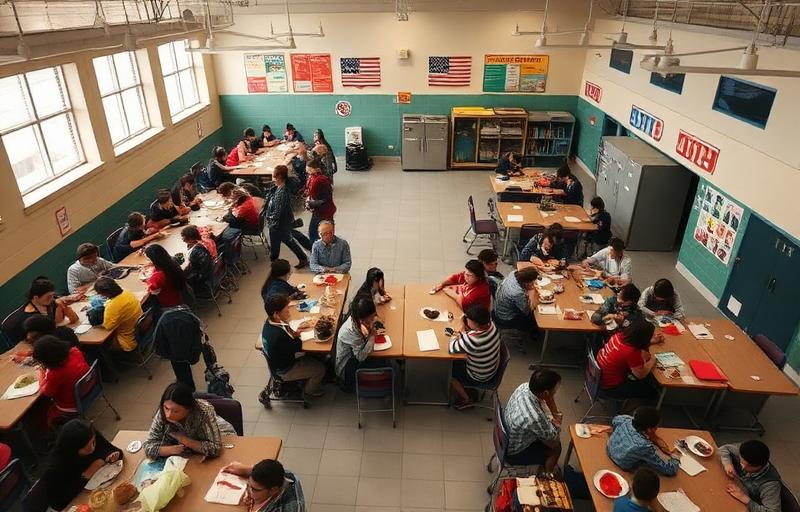
School Cafeteria
80–90 dB
Safe exposure
2 hours
Per NIOSH 85 dBA / 8 h reference (3 dB exchange rate)
Above 85 dB can damage hearing with prolonged exposure. Use ear protection.
Personalized verdict
Is this dangerous for you?
School Cafeteria
85 dB
Typical
Your room
— dB
Tap Compare
Difference
—
Waiting
Audio is processed locally in your browser — nothing is recorded or sent. Prefer the full meter? Open Snap dB
Compare School Cafeteria to:
Quick Answer
A decibel (dB) is a logarithmic unit used to measure sound intensity: an increase of 10 dB means ten times more sound energy.
School cafeterias typically measure 75–95 decibels during peak lunch periods. Multiple studies have recorded sustained levels of 80–90 dB, with peaks exceeding 95 dB during particularly energetic moments. These levels regularly exceed the 85 dB threshold where hearing damage begins with prolonged exposure.
📊 Similar in loudness to a food blender running (about 85 dB).
At a glance
| Typical range | 80–90 dB |
|---|---|
| Safety tier | Loud |
| Safe exposure (NIOSH REL) | 4 hours |
| Audible at | ~20–30 ft |
Louder than a vacuum cleaner at 10 feet (75 dB), quieter than a motorcycle at 25 feet (95 dB).
How these figures were determined: Values are based on published reference levels from NIOSH, OSHA, the WHO and the CDC, together with manufacturer specifications where available. Actual sound levels vary with distance, room acoustics, equipment condition and measurement method, and readings taken with a phone microphone are estimates rather than calibrated measurements.
Measured Cafeteria Noise Levels
Academic studies consistently measure school cafeteria noise at concerning levels. A 2019 study across 30 elementary schools found average lunch-period levels of 82–88 dB, with peaks reaching 95 dB. Some school cafeterias have been measured above 100 dB during birthday celebrations or special events.
The noise builds rapidly as students enter. Pre-lunch ambient levels of 45–55 dB climb to 75+ dB within 2 minutes of students arriving and reach peak levels of 85–95 dB within 10 minutes as the full cafeteria population settles in.
This might be louder than you think…
Noise Level: School Cafeteria
Classification
Moderate
Safe Exposure
8 hours
Why Cafeterias Are Acoustic Nightmares
School cafeterias combine the worst acoustic conditions: large open rooms, hard parallel surfaces (floor, ceiling, walls), hundreds of simultaneous talkers, and metal/plastic furniture. The Lombard effect causes children to unconsciously raise their voices as ambient noise increases, creating a positive feedback loop where noise begets louder noise.
Most cafeterias have reverberation times of 2–4 seconds (the time for sound to decay by 60 dB). By comparison, a well-designed classroom has a reverberation time under 0.6 seconds. Long reverberation means each child's voice persists and overlaps with hundreds of others, creating a wall of sustained noise.
Typical Sound Levels
Here's where it becomes dangerous…
The Lombard effect makes people unconsciously raise their voice by 3-6 dB for every 10 dB of background noise.
Measure Your Environment
Use Snap Decibel Meter to estimate the sound level around you right now.
Open Noise MeterAcoustic Solutions for School Cafeterias
Effective interventions include: ceiling-mounted acoustic panels (reducing noise by 5–12 dB), sound-absorbing wall treatments, rubber chair leg caps (eliminating metal scraping), visual noise monitors that display a traffic light based on measured dB levels, and staggered lunch schedules that reduce the number of simultaneous students.
- Acoustic ceiling panels: -5 to -12 dB
- Wall-mounted absorption panels: -3 to -6 dB
- Rubber furniture caps: eliminates impact peaks
- Visual noise monitors: reduces volume through awareness
- Staggered scheduling: fewer students = less noise
Hearing Risk for Cafeteria Staff
Lunch monitors and cafeteria workers spend 2–4 hours daily in 80–90 dB environments. Over an academic year, this cumulative exposure exceeds NIOSH recommended limits. Cafeteria staff should be included in hearing conservation programs and offered hearing protection options, particularly in schools that haven't implemented acoustic treatments.
Now that you know the real level, test your own environment.
School Cafeteria Noise: The Complete Breakdown
The social context of school cafeteria noise affects how people perceive and tolerate it. Research in psychoacoustics shows that people rate "wanted" social noise (conversation, music they chose) as 5–10 dB less annoying than "unwanted" noise at the same level (neighbors' music, traffic). This perceptual bias means 80–90 dB in a venue you enjoy feels very different from 80–90 dB imposed by someone else's activity.
At 80–90 dB, you would need to speak loudly to be understood at arm's length. This volume triggers the acoustic reflex — your stapedius muscle contracts to dampen sound transmission through the middle ear — but this protective mechanism fatigues with sustained exposure and provides only 10–15 dB of attenuation.
The "cocktail party effect" — your brain's ability to focus on a single conversation amid competing voices — breaks down above 75–80 dB. At 80–90 dB, communicating in school cafeteria environments requires not just louder speech but also visual cues (lip reading, gestures) that become critical for understanding.
How Venue Design Amplifies School cafeteria Noise
The acoustic environment of social venues is rarely designed with hearing safety in mind. Most bars, restaurants, and clubs prioritize aesthetics — exposed concrete, glass partitions, and metal fixtures — that reflect sound instead of absorbing it. The result is a reverberation time of 1.5–3.0 seconds, compared to the 0.5–0.8 seconds recommended for speech intelligibility.
Some venue owners deliberately maintain high noise levels because research shows it increases alcohol sales by 20–30%. When ambient noise makes conversation difficult, patrons drink faster (they can't talk anyway) and stay for shorter periods, increasing table turnover. This economic incentive works against noise reduction in the hospitality industry.
"Quiet hours" or "acoustic nights" are an emerging trend where venues reduce music volume by 10–15 dB during designated periods. These events attract demographics that value conversation — often older professionals and parents — and can actually increase per-person spending despite lower overall noise levels.
Sound Comparison: School Cafeteria on the Decibel Scale
At 80–90 dB, school cafeteria produces roughly the same sound pressure level as a food blender running (85 dB). Both sit in the "hearing risk threshold" range. If you've experienced one, you have a reliable reference for the other — though the frequency content and temporal pattern make each sound subjectively different.
On the quieter end, a running shower registers about 70 dB — that's 15 dB below school cafeteria, representing roughly 3× less perceived loudness. Moving louder, a nightclub dance floor reaches 100 dB — 15 dB above school cafeteria, approximately 3× louder to your ears.
The decibel scale is logarithmic — each 10 dB increase represents a tenfold jump in sound energy and roughly a doubling of perceived loudness. At 80–90 dB, school cafeteria carries 316,227,766× more acoustic energy than the threshold of hearing (0 dB), placing it in a well-characterized region of the audible spectrum.
Safe Exposure Duration for School Cafeteria
According to NIOSH guidelines, the maximum safe exposure time at 90 dB is 4 hours. Every 3 dB increase halves the safe exposure time.
NIOSH Exposure Limits Reference
Protecting Your Hearing from School Cafeteria Noise
At 90 dB, school cafeteria exceeds the hearing damage threshold of 85 dB. Your approach to protection should match your exposure: brief, infrequent contact (minutes per week) poses minimal risk even unprotected, but regular exposure (daily or weekly for 30+ minutes) demands consistent use of NRR 20+ hearing protection to prevent cumulative damage.
The most effective noise reduction combines source treatment, path interruption, and receiver protection — the "source-path-receiver" model used by acoustic engineers. For school cafeteria at 90 dB, start at the source (can you reduce the noise output?), then address the path (can you add distance, barriers, or absorption?), and finally protect yourself (hearing protection, time limits).
- Download a decibel meter app to spot-check school cafeteria levels and make informed choices
- If you experience post-exposure tinnitus, reduce future exposure duration and use protection
- Carry high-fidelity earplugs for school cafeteria events — they reduce volume 15–20 dB without distortion
- Choose seating away from speakers and amplification equipment
- Take 10-minute quiet breaks every hour to allow temporary threshold shift to recover
Measuring School Cafeteria Noise: Methods and Tools
To measure school cafeteria noise as accurately as possible, use a dedicated Type 2 sound level meter or a calibrated smartphone app such as NIOSH SLM. Snap Decibel Meter gives you a fast relative estimate — useful for comparing environments, but uncalibrated and unweighted. Position the device at 1 meter from the source, at the height where you'd normally hear it. Take readings over 30–60 seconds and note both average (Leq) and peak (Lmax) values.
For sounds at 85 dB like school cafeteria, most smartphone decibel meter apps provide reasonably accurate readings (typically within ±3–5 dB of professional equipment). For more precision, calibrate your app against a known reference sound or use a dedicated Type 2 sound level meter. The key to accuracy is consistent positioning and adequate sampling time.
The Medical Impact of School Cafeteria Sound
The "hidden hearing loss" phenomenon is particularly relevant to school cafeteria exposure. Conventional audiograms may show normal thresholds even after significant noise damage because they test with quiet tones in soundproofed booths. The real deficit — difficulty understanding speech in noisy environments — reflects damage to the synaptic connections between hair cells and auditory nerve fibers, which are the first structures affected by noise exposure.
Warning signs of overexposure to school cafeteria noise include: ringing, buzzing, or hissing in the ears after exposure; speech sounding muffled or distant; difficulty following conversations in restaurants or social settings; and needing to gradually increase TV or headphone volume. If you experience any of these after exposure to school cafeteria, reduce future exposure immediately and consult an audiologist.
Warning Signs of Overexposure
- Ringing, buzzing, or hissing in your ears after exposure to school cafeteria
- Sounds seem muffled or distant after leaving the noisy environment
- Difficulty understanding speech in crowded or noisy settings
- Gradually increasing your TV or headphone volume over weeks
Measure School Cafeteria Noise Yourself
Want to know how loud school cafeteria is in your own environment? Use our free decibel meter to take a real-time reading, or check the complete decibel chart to see where 80–90 dB sits on the full scale. You can also compare sounds side by side or use the noise distance calculator to estimate levels at different distances.
🎯 Guess the Decibel Level
How loud do you think School Cafeteria is? Drag the slider and find out!
Frequently Asked Questions
How loud is a school cafeteria?
School cafeterias typically measure 80–90 dB during lunch, with peaks exceeding 95 dB.
Is cafeteria noise dangerous for children?
Sustained exposure to 85+ dB cafeteria noise during daily lunch periods can contribute to hearing fatigue and concentration difficulties.
How can school cafeterias be made quieter?
Acoustic ceiling panels, wall treatments, rubber furniture caps, and staggered lunch schedules are the most effective solutions.
Explore More
Related Noise Guides
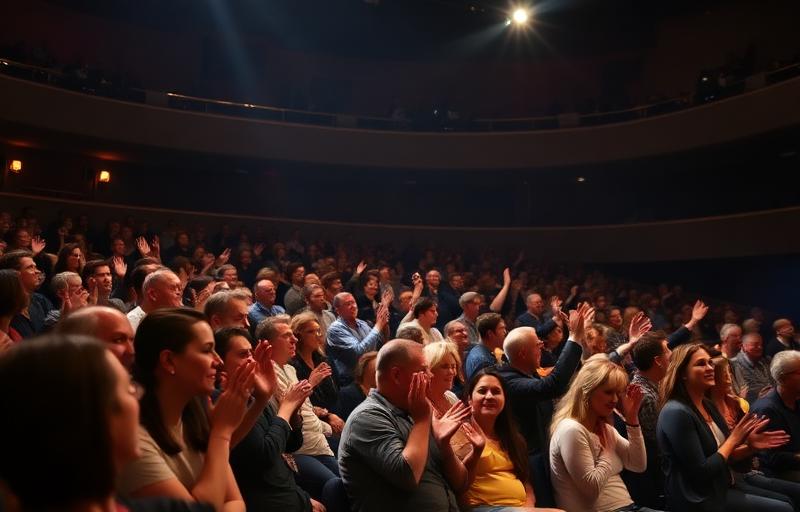
How Loud Is Crowd Noise? From Cafés to Stadiums
Crowd noise scales from a gentle café buzz at 65 dB to a deafening stadium roar at 130+ dB. The math of many voices is surprisingly powerful.
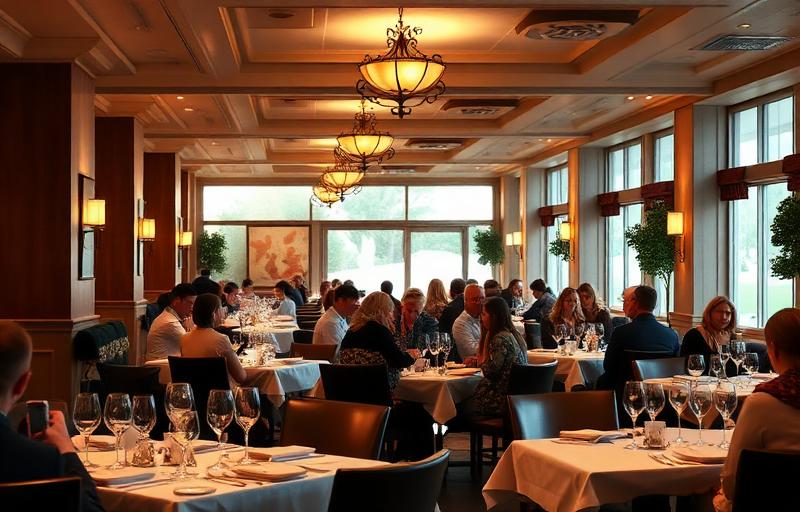
5 min readSocial NoiseHow Loud Is a Restaurant? Decibel Levels & Dining Experience
Modern restaurants hit 75–90 dB during dinner rush — loud enough to strain conversations and cause vocal fatigue. Here's the acoustic reality of dining out.
5 min readSocial NoiseHow Loud Is a Bowling Alley? Decibel Levels Explained
Bowling alleys generate 75–95 dB from the combined noise of rolling balls, pin crashes, and background music.
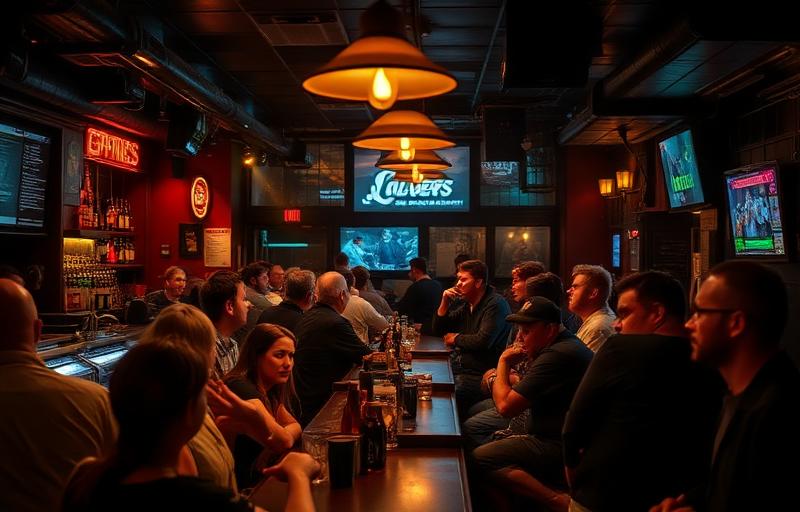
5 min readSocial NoiseHow Loud Is a Bar? Decibel Levels Explained
Bars and pubs produce 80–110 dB — a combination of music, conversation, and crowd noise that forces patrons to shout.
5 min readHow Does School Cafeteria Compare?
Tap any sound to learn more about its noise level.
| Sound level | Sound | Vs. School Cafeteria | Risk |
|---|---|---|---|
| 85 dB | School Cafeteria (this page) | — | Moderate |
| 73 dB | Electric Guitar Amp | −12 dB quieter | Moderate |
| 73 dB | Espresso Machine | −12 dB quieter | Moderate |
| 78 dB | Traffic Noise | −7 dB quieter | Moderate |
| 85 dB | What Noise Level Is Safe for Humans | same level | Moderate |
| 97 dB | Table Saw | +12 dB louder | Loud |
| 98 dB | How Loud Are Headphones at Max Volume | +13 dB louder | Loud |
Compare With Other Sounds
See how this noise level compares to other everyday sounds.
Test Your Environment
Use Snap Decibel Meter to measure sound levels around you — free, private, and instant.
Start Noise Measurement