How Loud Is a Robot Vacuum? Decibel Levels Explained
Robot vacuums produce 55–75 dB — significantly quieter than traditional upright vacuums at 75–85 dB.
Reviewed by our team against authoritative public-health sources. See our editorial standards.
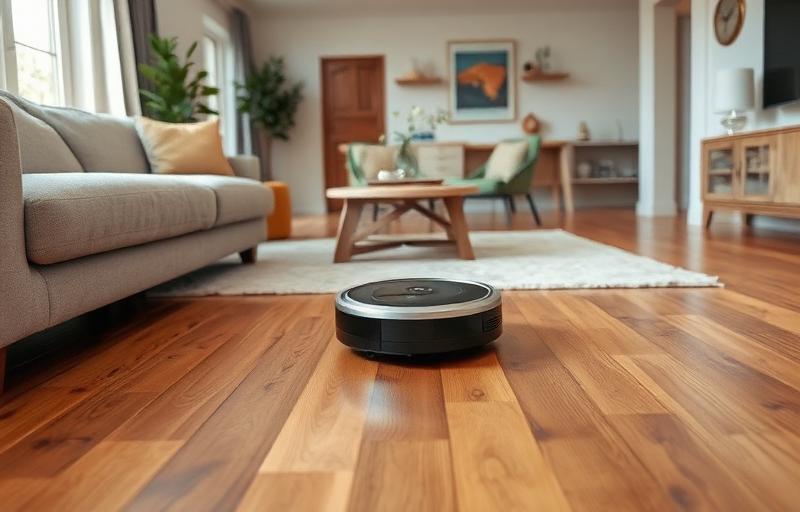
Robot Vacuum
55–75 dB
Safe exposure
All-day OK
Per NIOSH 85 dBA / 8 h reference (3 dB exchange rate)
Personalized verdict
Is this dangerous for you?
Robot Vacuum
65 dB
Typical
Your room
— dB
Tap Compare
Difference
—
Waiting
Audio is processed locally in your browser — nothing is recorded or sent. Prefer the full meter? Open Snap dB
Compare Robot Vacuum to:
Quick Answer
A decibel (dB) is a logarithmic unit used to measure sound intensity: an increase of 10 dB means ten times more sound energy.
Robot vacuums typically produce 55–75 decibels. Quiet models on low-power mode run at 55–60 dB (similar to a conversation), while maximum suction mode reaches 70–75 dB. This is 10–20 dB quieter than a traditional upright vacuum cleaner at 75–85 dB.
📊 Similar in loudness to a busy restaurant (about 65 dB).
At a glance
| Typical range | 55–75 dB |
|---|---|
| Safety tier | Moderate |
| Safe exposure (NIOSH REL) | All-day OK |
| Audible at | ~10–15 ft |
Louder than moderate rainfall (50 dB), quieter than a garbage disposal (80 dB).
How these figures were determined: Values are based on published reference levels from NIOSH, OSHA, the WHO and the CDC, together with manufacturer specifications where available. Actual sound levels vary with distance, room acoustics, equipment condition and measurement method, and readings taken with a phone microphone are estimates rather than calibrated measurements.
Robot Vacuum Noise by Brand and Mode
Noise levels vary significantly between brands and cleaning modes. Premium models like the iRobot Roomba j7+ run at 58–65 dB on standard mode. The Roborock S8 series operates at 60–67 dB. Budget models tend to be louder at 65–75 dB due to less sophisticated motor and brush designs.
- Quiet/eco mode: 55–60 dB
- Standard mode: 60–68 dB
- Turbo/max suction: 68–75 dB
- Self-emptying dock: 75–85 dB (brief 10–30 second burst)
You're probably exposed to this more often than you realize…
Noise Level: Robot Vacuum
Classification
Moderate
Safe Exposure
No time limit
Scheduling for Minimal Disruption
The primary advantage of robot vacuums over manual vacuums is the ability to schedule cleaning when you're away. Running the robot during work hours eliminates noise exposure entirely. For apartment dwellers, scheduling during midday avoids early morning or late evening noise that could disturb neighbors.
The self-emptying dock is typically the loudest moment, producing 75–85 dB for 10–30 seconds as it suctions debris from the robot's bin. If noise sensitivity is a concern, position the dock away from bedrooms and living areas.
Typical Sound Levels
Most noise-induced hearing loss happens gradually — without any pain…
A 10 dB increase sounds roughly twice as loud to human ears, even though the actual sound energy increases tenfold.
Measure Your Environment
Use Snap Decibel Meter to estimate the sound level around you right now.
Open Noise MeterHow Floor Type Affects Noise
Robot vacuums are quietest on hard floors (hardwood, tile, laminate) at 55–65 dB. On carpet, the brush agitator and increased motor suction raise noise by 5–10 dB, hitting 65–75 dB. High-pile carpet requires maximum suction, producing the loudest operation. Many smart models automatically increase suction on carpet and reduce it on hard floors.
Robot vs. Traditional Vacuum Noise
Traditional upright vacuums typically produce 75–85 dB — 15–25 dB louder than a robot vacuum on standard mode. This is a dramatic difference: 15 dB represents roughly a three-fold reduction in perceived loudness. A robot vacuum at 60 dB sounds about one-third as loud as an upright at 75 dB, making it far more tolerable for extended cleaning cycles.
Your daily noise exposure might already exceed safe limits.
Understanding Robot Vacuum Noise Levels
Robot vacuum noise has become a key differentiator for consumers. Manufacturers now compete on decibel ratings, and the difference between a budget robot vacuum at 75 dB and a premium model at 55 dB is clearly audible — roughly 4× louder in practical terms.
At 55–75 dB, robot vacuum is roughly equivalent to the ambient level inside a typical car on a highway. It's the kind of sound that becomes "normal" — you adapt to it, but it's measurably affecting your stress physiology. The European Environment Agency estimates that 113 million Europeans live with traffic noise above 55 dB, a threshold linked to adverse health outcomes.
The time of day you use robot vacuum matters for how neighbors perceive it. Background noise in residential areas drops from 45–55 dB during the day to 30–40 dB at night. Running robot vacuum at 75 dB during quiet hours means it stands out 10–20 dB above the ambient floor, versus just 0–10 dB during the day when other sounds mask it.
Choosing a Quieter Robot vacuum: Buyer's Guide
When shopping for robot vacuum, look for the decibel rating in the product specifications — it's usually listed as "sound level," "noise level," or "acoustic emission." Lower numbers mean quieter operation. The difference between a 75 dB model and a 65 dB model is dramatic — the quieter unit sounds roughly half as loud.
Premium brands often invest in noise-reduction engineering: direct-drive motors (eliminating belt vibration), sound-insulating housing materials, anti-vibration mounting systems, and optimized airflow paths. These features add 15–30% to the purchase price but deliver 5–15 dB of noise reduction that lasts the product's entire lifespan.
Energy efficiency and noise are often correlated — modern inverter-driven motors in robot vacuum adjust speed continuously rather than cycling on and off, reducing both peak noise levels and energy consumption by 20–40%. Look for Energy Star certification as an indirect indicator of quieter operation.
Robot Vacuum vs. Common Noise Sources
The closest everyday comparison to robot vacuum at 55–75 dB is a busy restaurant, which registers at 65 dB. Both sounds occupy the same energy band and present similar exposure considerations, though their frequency profiles and duration patterns create distinct listening experiences.
On the quieter end, a coffee shop registers about 55 dB — that's 10 dB below robot vacuum, representing roughly 2× less perceived loudness. Moving louder, a vacuum cleaner at 10 feet reaches 75 dB — 10 dB above robot vacuum, approximately 2× louder to your ears.
Among home appliances, noise ranges from near-silent (modern refrigerator at 35 dB) to genuinely loud (older blender at 90+ dB). At 55–75 dB, robot vacuum falls in the middle range — audible but not disruptive for most people.
Why Robot vacuum Gets Louder Over Time
A well-maintained robot vacuum should produce consistent noise levels throughout its lifespan. When robot vacuum starts getting louder, it's usually a warning sign: worn bearings increase friction noise by 3–8 dB, loose components rattle and vibrate, and dirty filters or vents create turbulent airflow that adds high-frequency hissing.
Regular maintenance keeps robot vacuum at its rated 55–75 dB: lubricate moving parts according to the manufacturer's schedule, clean filters and vents monthly, tighten mounting hardware quarterly, and replace worn seals and gaskets before they fail completely. A sudden noise increase of 5+ dB warrants professional inspection — it often precedes mechanical failure.
- Check and tighten all visible fasteners every 6 months
- Clean dust and debris from motor vents and air intakes
- Replace worn rubber feet and anti-vibration mounts annually
- Listen for new sounds: grinding, squealing, or clicking indicate developing problems
- Keep the manufacturer's noise specification for comparison during maintenance checks
Tips for a Quieter Robot Vacuum Experience
While robot vacuum at 75 dB doesn't require hearing protection, managing this noise improves comfort, reduces stress, and preserves the quiet that supports concentration, sleep, and cardiovascular health. The strategies below focus on environmental modifications rather than personal protective equipment.
For robot vacuum specifically, vibration isolation is your most effective tool. Anti-vibration pads (rubber or neoprene) under the unit prevent mechanical energy from transmitting through countertops and floors, reducing the perceived noise by 3–8 dB. Level the robot vacuum precisely — an unbalanced unit generates vibration harmonics that can double the perceived noise.
- Place rubber anti-vibration pads under robot vacuum to decouple it from counters and floors
- Level the unit precisely — even 2mm of imbalance creates audible vibration harmonics
- Run robot vacuum during daytime when ambient masking is highest
- Close kitchen or laundry room doors during operation for 15–20 dB reduction
- Check manufacturer specs for dB ratings when replacing — modern models are 5–15 dB quieter
Test It Yourself: Measuring Robot Vacuum Noise
Appliance noise measurements should follow the "ear position" method: place your measuring device where your head would normally be during use. For robot vacuum, this might be arm's length during active use or 2–3 meters during passive operation. Measure with other household appliances turned off to isolate robot vacuum from background noise.
For sounds at 65 dB like robot vacuum, most smartphone decibel meter apps provide reasonably accurate readings (typically within ±3–5 dB of professional equipment). For more precision, calibrate your app against a known reference sound or use a dedicated Type 2 sound level meter. The key to accuracy is consistent positioning and adequate sampling time.
How Robot Vacuum Noise Affects Your Well-Being
Children in homes with persistent robot vacuum noise above 65 dB show measurable effects on cognitive development, including reduced reading acquisition speed and impaired working memory. These effects are subtle but cumulative, and they're magnified in small apartments where escape from the noise is limited.
Measure Robot Vacuum Noise Yourself
Want to know how loud robot vacuum is in your own environment? Use our free decibel meter to take a real-time reading, or check the complete decibel chart to see where 55–75 dB sits on the full scale. You can also compare sounds side by side or use the noise distance calculator to estimate levels at different distances.
🎯 Guess the Decibel Level
How loud do you think Robot Vacuum is? Drag the slider and find out!
Frequently Asked Questions
How loud is a robot vacuum in decibels?
Robot vacuums produce 55–75 dB depending on mode — significantly quieter than traditional vacuums.
Can I run a robot vacuum at night?
On eco mode (55–60 dB), many robot vacuums are quiet enough for nighttime use if the cleaning area is away from bedrooms.
What is the quietest robot vacuum?
Premium models from iRobot, Roborock, and Ecovacs achieve 55–60 dB on their quietest settings.
Explore More
Related Noise Guides
How Loud Is a Vacuum Cleaner? Decibel Levels Explained
Vacuum cleaners are one of the loudest common household appliances, typically producing 70–80 dB. Here's what that means for your hearing.
7 min readHome NoiseHow Loud Is a Dishwasher? Decibel Levels Explained
Modern dishwashers produce 40–60 dB — quieter than many people think. Here's how to interpret dishwasher noise ratings.
5 min readHome NoiseHow Loud Is a Ceiling Fan? (Decibels Explained)
Ceiling fans: 30–55 dB — quiet, but some are surprisingly noisy.
6 min readHome Appliance NoiseHow Loud Is a Clothes Dryer? Decibel Levels Explained
Clothes dryers produce 55–72 dB — a comfortable background hum that many people find soothing.
4 min readHow Does Robot Vacuum Compare?
Tap any sound to learn more about its noise level.
| Sound level | Sound | Vs. Robot Vacuum | Risk |
|---|---|---|---|
| 65 dB | Robot Vacuum (this page) | — | Moderate |
| 50 dB | Snoring | −15 dB quieter | Safe |
| 50 dB | Is 50 dB Loud | −15 dB quieter | Safe |
| 70 dB | The Complete Guide to Noise Levels and Decibels | +5 dB louder | Moderate |
| 75 dB | Vacuum Cleaner | +10 dB louder | Moderate |
| 76 dB | Lawn Mower | +11 dB louder | Moderate |
| 78 dB | Traffic Noise | +13 dB louder | Moderate |
Compare With Other Sounds
See how this noise level compares to other everyday sounds.
Test Your Environment
Use Snap Decibel Meter to measure sound levels around you — free, private, and instant.
Start Noise Measurement