What Does 50 dB Sound Like? Quiet but Present
50 dB is the gentle background of a quiet home or light rain — present but unobtrusive. Here's exactly what it sounds and feels like.
Reviewed by our team against authoritative public-health sources. See our editorial standards.
Quick Answer
A decibel (dB) is a logarithmic unit used to measure sound intensity: an increase of 10 dB means ten times more sound energy.
50 dB sounds like a quiet conversation, light rainfall, or the ambient hum of a quiet home. It is gentle background noise — clearly present but comfortable and easy to ignore. Completely safe for hearing.
📊 Similar in loudness to moderate rainfall (about 50 dB).
At a glance
| Typical range | 50 dB |
|---|---|
| Safety tier | Safe |
| Safe exposure (NIOSH REL) | All-day OK |
Louder than a quiet office (45 dB), quieter than a coffee shop (55 dB).
How these figures were determined: Values are based on published reference levels from NIOSH, OSHA, the WHO and the CDC, together with manufacturer specifications where available. Actual sound levels vary with distance, room acoustics, equipment condition and measurement method, and readings taken with a phone microphone are estimates rather than calibrated measurements.
What 50 dB Actually Sounds Like
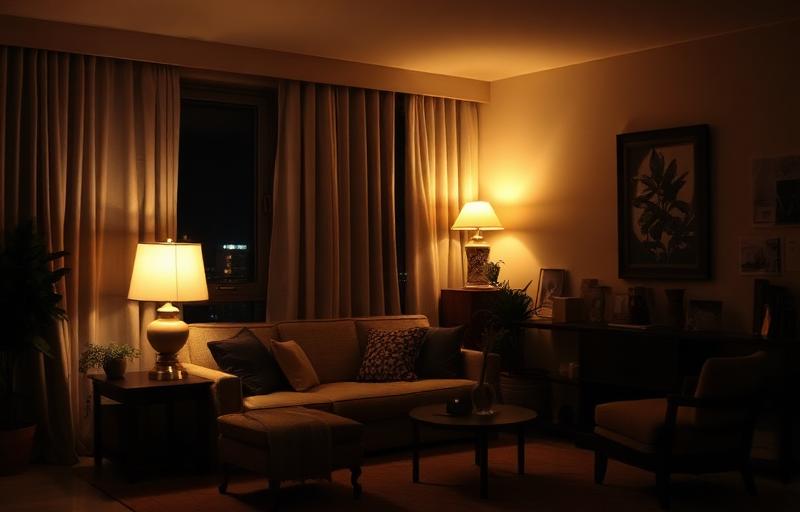
Fifty decibels is the sound of comfortable domestic life. Imagine sitting in your living room with the TV off — the refrigerator hums softly in the kitchen, perhaps a clock ticks on the wall, and distant birdsong filters through a window. That quiet but alive atmosphere typically measures 45–55 dB.
At 50 dB, sounds are present but never demanding. You can easily hold a whispered conversation, read without distraction, or fall asleep if the sound is consistent (like rain or a fan). It is the acoustic version of a comfortable room temperature — you do not think about it unless it changes.
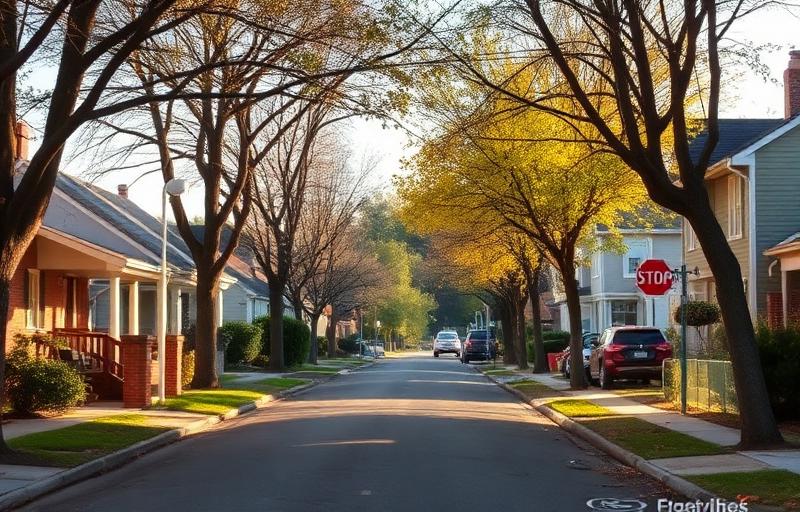
Step outside on a quiet residential street during early morning, and you will hear birds, gentle air movement, and perhaps a distant car. This suburban stillness hovers right around 50 dB — peaceful, natural, and unremarkable.
Your ears can't tell you the real danger level here…
Noise Level: 50 dB
Classification
Safe
Safe Exposure
No time limit
Real-World 50 dB Sounds
The most accessible 50 dB reference is light to moderate rainfall heard from inside a house. The steady patter on your roof and windows creates a consistent 45–55 dB wash of white noise that many people find calming and sleep-inducing.
Electric fans on medium speed produce a steady 45–55 dB hum that explains their popularity as sleep aids. The consistent frequency profile is soothing, unlike the variable sounds of traffic or neighbors.
- Light rainfall on roof: 45–55 dB
- Quiet suburban street: 48–55 dB
- Refrigerator from 2 meters: 40–50 dB
- Electric fan on medium: 45–55 dB
- Quiet conversation from 2 meters: 48–55 dB
- Birds singing outside closed windows: 45–50 dB
Typical Sound Levels
Most noise-induced hearing loss happens gradually — without any pain…
The threshold of pain for human hearing is around 120-130 dB, equivalent to standing near a jet engine.
Measure Your Environment
Use Snap Decibel Meter to estimate the sound level around you right now.
Open Noise MeterWhat 50 dB Is Ideal For
50 dB sits in the sweet spot for focus and productivity. Research shows that very low background noise (40–55 dB) improves concentration for most people compared to complete silence, which some find unsettling.
For sleep, 50 dB is at the upper boundary of acceptable levels. Light sleepers may be disturbed, while most adults tolerate consistent 50 dB sounds like fans or rain machines. The WHO recommends keeping nighttime noise below 40 dB for optimal rest.
Measure your environment with Snap Decibel Meter to see where your daily spaces fall on the noise scale.
50 dB in Acoustic Design
Architects and acoustic engineers target 45–55 dB for residential living spaces during daytime. This range provides enough ambient sound to feel natural (complete silence below 20 dB can feel eerie) while remaining well below disruptive levels.
In hospital design, patient rooms aim for 35–45 dB to promote healing and rest, while nursing stations and corridors accept 50–55 dB. Libraries target 40–50 dB in reading areas. These professional benchmarks confirm that 50 dB represents a well-designed quiet environment.
Home acoustic improvements like double-glazed windows, door seals, and soft furnishings typically aim to bring noisy environments down to this 45–55 dB comfort zone.
Your daily noise exposure might already exceed safe limits.
What 50 dB Actually Means
50 dB describes a sound pressure level, not a specific object — many different sources can register at this level depending on distance, enclosure and how the sound is produced. Because the decibel scale is logarithmic, every 10 dB step represents ten times more acoustic energy and roughly a doubling of perceived loudness, which is why the gap between 50 dB and 60 dB feels much larger than the numbers suggest.
In practical terms, 50 dB is close to moderate rainfall, which sits at about 50 dB and is generally described as noticeable but comfortable. That reference is a useful anchor: if you can picture how that sound feels in a room, you have a reasonable sense of what 50 dB means.
Distance and room acoustics move this figure considerably. Doubling your distance from a point source removes about 6 dB in the open, while a small room with hard surfaces can add 3–6 dB of reverberant build-up. This is why the same source can read very differently in two rooms.
Published reference levels like these come from occupational and public-health sources — NIOSH, OSHA, the WHO and the CDC — measured with calibrated, A-weighted instruments. Readings you take with a phone are useful for comparing one environment with another, but they are relative estimates rather than calibrated measurements, so treat small differences with caution.
Everyday Sounds Around 50 dB
On the quieter side, a quiet office registers about 45 dB — 5 dB below 50 dB. On the louder side, a coffee shop reaches roughly 55 dB, which is 5 dB above it. Because 10 dB is heard as about twice as loud, those gaps translate into clearly different listening experiences rather than minor variations.
Comparisons are most useful when they respect measurement conditions. A level quoted "at 1 metre" is not the same figure as the same source heard across a room, and impulse sounds such as a slam, a gunshot or a thunderclap have peak pressures far above the average level a meter displays. Whenever a figure looks surprising, check the distance and the averaging method before drawing conclusions.
If you want to place 50 dB on the full scale, the decibel chart lists reference levels from near-silence up to immediate-damage territory, and the sound comparison tool lets you line up two sounds side by side.
Keeping Everyday Noise Near 50 dB Comfortable
At 50 dB, 50 db is well within safe levels and poses no hearing risk. The following tips focus on comfort optimization — creating the most pleasant acoustic environment rather than preventing health damage.
The most effective noise reduction combines source treatment, path interruption, and receiver protection — the "source-path-receiver" model used by acoustic engineers. For 50 db at 50 dB, start at the source (can you reduce the noise output?), then address the path (can you add distance, barriers, or absorption?), and finally protect yourself (hearing protection, time limits).
- Close doors and seal gaps between rooms to reduce transmitted noise by 15–25 dB
- Wear NRR 20+ hearing protection if 50 db exposure exceeds 85 dB
- Monitor cumulative daily exposure — multiple moderate sources compound over time
- Increase distance from 50 db when possible — every doubling cuts the level by 6 dB
- Measure 50 db noise with a smartphone app to establish your actual exposure level
Measuring Noise Near 50 dB: Methods and Limits
Measuring around 50 dB is mostly about consistency. Use the same position, the same height and the same duration each time, and make sure background noise is well below the sound you care about. A single instantaneous number is far less informative than a 30–60 second average taken the same way twice.
Phone-based measurements have real limits. Microphones vary between models, browsers may apply automatic gain control or noise suppression, and there is no absolute calibration reference. Snap Decibel Meter is unweighted and ambient-referenced, so it is best used to compare environments and track changes rather than to certify an absolute figure. For compliance work, a Type 2 sound level meter is the appropriate instrument.
If you need levels at a different distance than you can safely measure, the noise distance calculator applies the inverse-square relationship for you, which is often more reliable than trying to measure close to a loud source.
How Noise Around 50 dB Affects Well-Being
Levels around 50 dB are not associated with hearing damage at any realistic duration, but they still affect people. The WHO links sustained night-time noise well below hearing-risk levels to disturbed sleep, and continuous background noise in this region is a common cause of reduced concentration in offices and classrooms.
Comfort in this range is largely about contrast and predictability. A steady 45 dB hum is easier to ignore than intermittent noise at the same level, so reducing peaks and sudden onsets often improves how a room feels more than shaving a couple of decibels off the average.
Check Whether Your Environment Reaches 50 dB
Want to know whether your own environment reaches 50 dB? Use our free decibel meter to take a real-time reading, or check the complete decibel chart to see where 50 dB sits on the full scale. You can also compare sounds side by side or use the noise distance calculator to estimate levels at different distances.
🎯 Guess the Decibel Level
How loud do you think 50 dB is? Drag the slider and find out!
Frequently Asked Questions
Is 50 dB quiet?
Yes. 50 dB is considered quiet — about as loud as light rain or a quiet conversation.
Can you sleep at 50 dB?
Most adults can, but it's at the upper limit. Ideal sleep is 30–40 dB.
Is 50 dB safe?
Completely safe. No hearing risk at any duration.
Explore More
Related Noise Guides
Is 50 dB Loud? What 50 Decibels Really Sounds Like
50 dB is the sound of a quiet conversation or light rain — not loud at all. Here's what it sounds like and how it compares.
5 min readDecibel QuestionsWhat Does 40 dB Sound Like? A Calm, Quiet World
40 dB is the sound of a quiet library, gentle humming, or a peaceful garden. Barely there, perfectly safe, and ideal for focus.
5 min readDecibel QuestionsWhat Does 60 dB Sound Like? The Sound of Normal Life
60 dB is the soundtrack of everyday life — a normal conversation, your AC humming, or background office chatter. Completely safe and perfectly familiar.
5 min readHow Does 50 dB Compare?
Tap any sound to learn more about its noise level.
| Sound level | Sound | Vs. 50 dB | Risk |
|---|---|---|---|
| 50 dB | 50 dB (this page) | — | Safe |
| 38 dB | Ceiling Fan | −12 dB quieter | Safe |
| 38 dB | Rain | −12 dB quieter | Safe |
| 40 dB | What Noise Level Is Too Loud for Sleep | −10 dB quieter | Safe |
| 48 dB | Dishwasher | −2 dB quieter | Safe |
| 63 dB | School Classroom | +13 dB louder | Moderate |
| 63 dB | Television | +13 dB louder | Moderate |
Compare With Other Sounds
See how this noise level compares to other everyday sounds.


Test Your Environment
Use Snap Decibel Meter to measure sound levels around you — free, private, and instant.
Start Noise Measurement