Is 60 dB Loud? Understanding Normal Conversation Volume
60 dB is the volume of normal conversation — not loud at all. It's the acoustic baseline of everyday life and completely safe for hearing.
Reviewed by our team against authoritative public-health sources. See our editorial standards.
Quick Answer
A decibel (dB) is a logarithmic unit used to measure sound intensity: an increase of 10 dB means ten times more sound energy.
No, 60 dB is not loud. It's the volume of a normal conversation at arm's length, a running air conditioner, or quiet office background noise. It is completely safe for hearing at any duration.
📊 Similar in loudness to normal conversation at 3 feet (about 60 dB).
At a glance
| Typical range | 60 dB |
|---|---|
| Safety tier | Safe |
| Safe exposure (NIOSH REL) | All-day OK |
Louder than a coffee shop (55 dB), quieter than a busy restaurant (65 dB).
How these figures were determined: Values are based on published reference levels from NIOSH, OSHA, the WHO and the CDC, together with manufacturer specifications where available. Actual sound levels vary with distance, room acoustics, equipment condition and measurement method, and readings taken with a phone microphone are estimates rather than calibrated measurements.
Is 60 dB Loud? Not at All
Sixty decibels is the sound of normal human conversation. It is the level your hearing system evolved to process most comfortably. At 60 dB, you can speak without raising your voice, hear clearly without straining, and hold a phone conversation without difficulty.
In the broader context of the noise scale, 60 dB sits comfortably in the lower-middle range. It is 25 dB below the hearing damage threshold and about half the perceived loudness of moderately loud sounds like traffic or appliances.
If anything, 60 dB is the 'default volume' of a lived-in space. When people describe a room as having 'normal' noise levels, they are typically describing 55–65 dB.
Your ears can't tell you the real danger level here…
Noise Level: 60 dB
Classification
Safe
Safe Exposure
No time limit
What 60 dB Sounds Like
Normal face-to-face conversation at 1 meter registers 58–65 dB. A running window air conditioner hums at 55–65 dB. Background office chatter with keyboards and footsteps blends into a steady 55–62 dB.
The ubiquity of 60 dB in daily life is precisely what makes it such a powerful reference point. Once you internalize what 60 dB feels like, you can estimate other levels by comparison: a vacuum at 75 dB is clearly louder, a whisper at 30 dB is dramatically quieter.
- Normal conversation: 58–65 dB
- Air conditioner: 55–65 dB
- Quiet office: 55–60 dB
- Electric toothbrush: 55–65 dB
- Background music at low volume: 55–60 dB
- Sewing machine: 55–65 dB
Typical Sound Levels
Most noise-induced hearing loss happens gradually — without any pain…
Your ears never turn off — even during sleep, your auditory system processes sounds and can trigger stress responses.
Measure Your Environment
Use Snap Decibel Meter to estimate the sound level around you right now.
Open Noise MeterIs 60 dB Safe?
Completely safe. You are 25 dB below the 85 dB damage threshold. You could listen to 60 dB continuously for years without any hearing impact. Health organizations consider 60 dB acceptable for all daytime activities.
The only context where 60 dB requires attention is sleep. Most sleep experts recommend 30–40 dB for restful sleep, so 60 dB in a bedroom at night may disrupt sleep quality.
For workplace ergonomics, 60 dB is considered ideal. Studies show that offices below 45 dB feel uncomfortably quiet (every sound stands out), while those above 65 dB cause concentration difficulties. The 55–62 dB sweet spot allows productive work with natural ambient texture.
How 60 dB Compares
A whisper at 30 dB sounds about one-eighth as loud. A vacuum at 75 dB sounds about three times louder. A lawn mower at 90 dB sounds about eight times louder. 60 dB is your personal calibration point for the entire noise scale.
Use Snap Decibel Meter to verify your current environment. If you're in a typical indoor space, you're likely right around 55–65 dB.
On the acoustic energy scale, 60 dB represents 1,000,000 times more energy than the threshold of hearing (0 dB). Yet your brain processes it effortlessly — a testament to the remarkable dynamic range of human hearing.
60 dB in the Workplace
Office noise management is a growing field as open-plan designs have become standard. The ideal office range is 45–65 dB, with 60 dB representing a comfortable level that masks minor distractions without creating its own problems.
Sound masking systems in modern offices typically emit 40–48 dB of shaped white noise to raise the ambient floor, making individual conversations less intelligible across the room. When combined with natural office sounds, the total reaches about 55–60 dB.
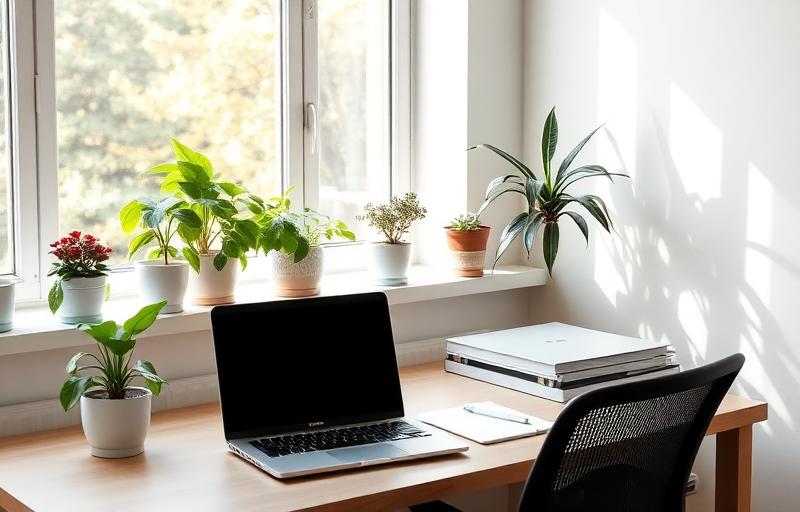
For home offices, maintaining 50–60 dB can be achieved with a small fan, gentle background music, or a white noise machine. This provides the acoustic privacy and comfort that promotes sustained focus.
Your daily noise exposure might already exceed safe limits.
What 60 dB Actually Means
60 dB describes a sound pressure level, not a specific object — many different sources can register at this level depending on distance, enclosure and how the sound is produced. Because the decibel scale is logarithmic, every 10 dB step represents ten times more acoustic energy and roughly a doubling of perceived loudness, which is why the gap between 60 dB and 70 dB feels much larger than the numbers suggest.
In practical terms, 60 dB is close to normal conversation at 3 feet, which sits at about 60 dB and is generally described as everyday speech. That reference is a useful anchor: if you can picture how that sound feels in a room, you have a reasonable sense of what 60 dB means.
Distance and room acoustics move this figure considerably. Doubling your distance from a point source removes about 6 dB in the open, while a small room with hard surfaces can add 3–6 dB of reverberant build-up. This is why the same source can read very differently in two rooms.
Published reference levels like these come from occupational and public-health sources — NIOSH, OSHA, the WHO and the CDC — measured with calibrated, A-weighted instruments. Readings you take with a phone are useful for comparing one environment with another, but they are relative estimates rather than calibrated measurements, so treat small differences with caution.
Everyday Sounds Around 60 dB
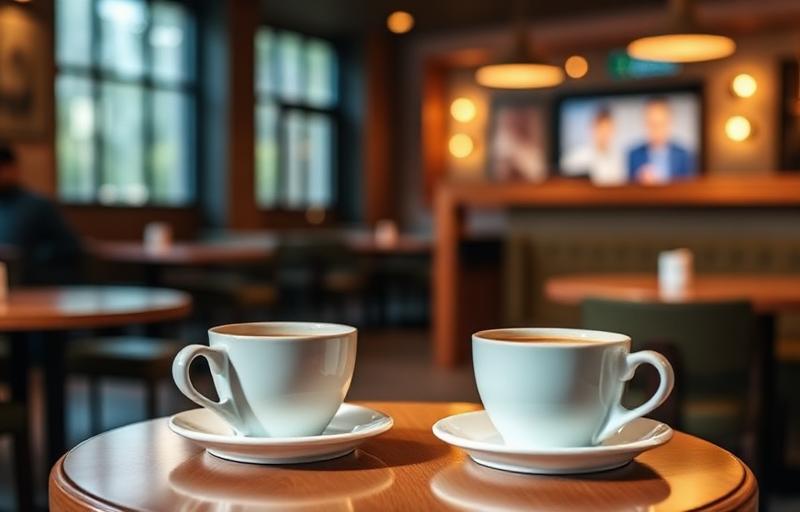
On the quieter side, a coffee shop registers about 55 dB — 5 dB below 60 dB. On the louder side, a busy restaurant reaches roughly 65 dB, which is 5 dB above it. Because 10 dB is heard as about twice as loud, those gaps translate into clearly different listening experiences rather than minor variations.
Comparisons are most useful when they respect measurement conditions. A level quoted "at 1 metre" is not the same figure as the same source heard across a room, and impulse sounds such as a slam, a gunshot or a thunderclap have peak pressures far above the average level a meter displays. Whenever a figure looks surprising, check the distance and the averaging method before drawing conclusions.
If you want to place 60 dB on the full scale, the decibel chart lists reference levels from near-silence up to immediate-damage territory, and the sound comparison tool lets you line up two sounds side by side.
How to Bring Levels Below 60 dB
At 60 dB, 60 db is well within safe levels and poses no hearing risk. The following tips focus on comfort optimization — creating the most pleasant acoustic environment rather than preventing health damage.
The most effective noise reduction combines source treatment, path interruption, and receiver protection — the "source-path-receiver" model used by acoustic engineers. For 60 db at 60 dB, start at the source (can you reduce the noise output?), then address the path (can you add distance, barriers, or absorption?), and finally protect yourself (hearing protection, time limits).
- Measure 60 db noise with a smartphone app to establish your actual exposure level
- Add soft furnishings (rugs, curtains, upholstered furniture) to absorb reflected 60 db sound
- Close doors and seal gaps between rooms to reduce transmitted noise by 15–25 dB
- Wear NRR 20+ hearing protection if 60 db exposure exceeds 85 dB
- Monitor cumulative daily exposure — multiple moderate sources compound over time
How to Measure Sound Levels Around 60 dB
Measuring around 60 dB is mostly about consistency. Use the same position, the same height and the same duration each time, and make sure background noise is well below the sound you care about. A single instantaneous number is far less informative than a 30–60 second average taken the same way twice.
Phone-based measurements have real limits. Microphones vary between models, browsers may apply automatic gain control or noise suppression, and there is no absolute calibration reference. Snap Decibel Meter is unweighted and ambient-referenced, so it is best used to compare environments and track changes rather than to certify an absolute figure. For compliance work, a Type 2 sound level meter is the appropriate instrument.
If you need levels at a different distance than you can safely measure, the noise distance calculator applies the inverse-square relationship for you, which is often more reliable than trying to measure close to a loud source.
Comfort, Sleep and Concentration at 60 dB
Levels around 60 dB are not associated with hearing damage at any realistic duration, but they still affect people. The WHO links sustained night-time noise well below hearing-risk levels to disturbed sleep, and continuous background noise in this region is a common cause of reduced concentration in offices and classrooms.
Comfort in this range is largely about contrast and predictability. A steady 45 dB hum is easier to ignore than intermittent noise at the same level, so reducing peaks and sudden onsets often improves how a room feels more than shaving a couple of decibels off the average.
Check Whether Your Environment Reaches 60 dB
Want to know whether your own environment reaches 60 dB? Use our free decibel meter to take a real-time reading, or check the complete decibel chart to see where 60 dB sits on the full scale. You can also compare sounds side by side or use the noise distance calculator to estimate levels at different distances.
🎯 Guess the Decibel Level
How loud do you think 60 dB is? Drag the slider and find out!
Frequently Asked Questions
Is 60 dB too loud for sleeping?
Yes, for most people. Aim for 30–40 dB in the bedroom.
Can 60 dB damage hearing?
No. 60 dB is completely safe at any duration.
Is 60 dB twice as loud as 50 dB?
In perceived loudness, approximately yes. A 10 dB increase sounds roughly twice as loud.
Explore More
Related Noise Guides
Is 50 dB Loud? What 50 Decibels Really Sounds Like
50 dB is the sound of a quiet conversation or light rain — not loud at all. Here's what it sounds like and how it compares.
5 min readDecibel QuestionsIs 70 dB Loud? Understanding This Common Noise Level
70 dB is the sound of a running shower or a busy café. Not dangerous, but noticeably present. Here's the full picture.
5 min readDecibel QuestionsWhat Does 60 dB Sound Like? The Sound of Normal Life
60 dB is the soundtrack of everyday life — a normal conversation, your AC humming, or background office chatter. Completely safe and perfectly familiar.
5 min readDecibel QuestionsIs 60 dB Loud? Understanding Normal Conversation Volume
60 dB is the volume of normal conversation — not loud at all. It's the acoustic baseline of everyday life and completely safe for hearing.
4 min readHow Does 60 dB Compare?
Tap any sound to learn more about its noise level.
| Sound level | Sound | Vs. 60 dB | Risk |
|---|---|---|---|
| 60 dB | 60 dB (this page) | — | Safe |
| 48 dB | Dishwasher | −12 dB quieter | Safe |
| 48 dB | Coffee Grinder | −12 dB quieter | Safe |
| 55 dB | Washing Machine | −5 dB quieter | Safe |
| 70 dB | The Complete Guide to Noise Levels and Decibels | +10 dB louder | Moderate |
| 73 dB | Electric Guitar Amp | +13 dB louder | Moderate |
| 73 dB | Espresso Machine | +13 dB louder | Moderate |
Compare With Other Sounds
See how this noise level compares to other everyday sounds.

Test Your Environment
Use Snap Decibel Meter to measure sound levels around you — free, private, and instant.
Start Noise Measurement