How Loud Is a Concert? Decibel Levels by Venue & Genre
Concerts range from 95 to 120 dB depending on genre and position. Front row at a rock show hits 115+ dB. Here's the complete guide to concert noise.
Reviewed by our team against authoritative public-health sources. See our editorial standards.
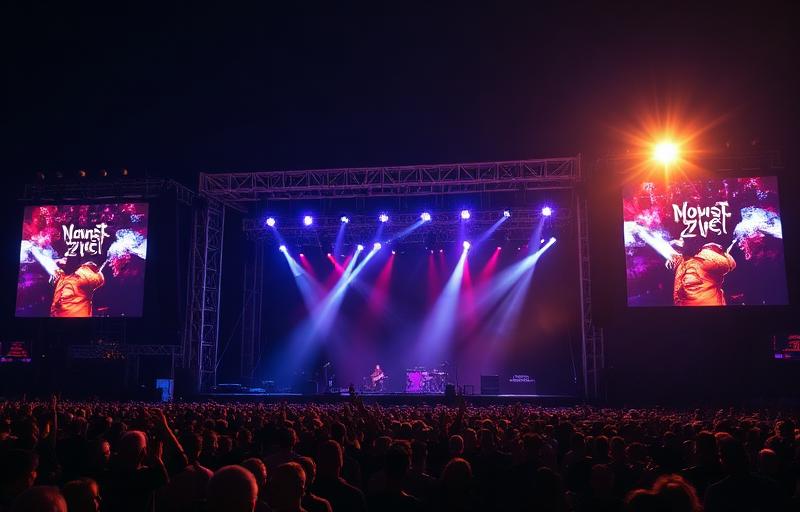
Concert
95–115 dB
Safe exposure
Instant risk
Per NIOSH 85 dBA / 8 h reference (3 dB exchange rate)
Above 85 dB can damage hearing with prolonged exposure. Use ear protection.
Personalized verdict
Is this dangerous for you?
Concert
105 dB
Typical
Your room
— dB
Tap Compare
Difference
—
Waiting
Audio is processed locally in your browser — nothing is recorded or sent. Prefer the full meter? Open Snap dB
Compare Concert to:
Quick Answer
A decibel (dB) is a logarithmic unit used to measure sound intensity: an increase of 10 dB means ten times more sound energy.
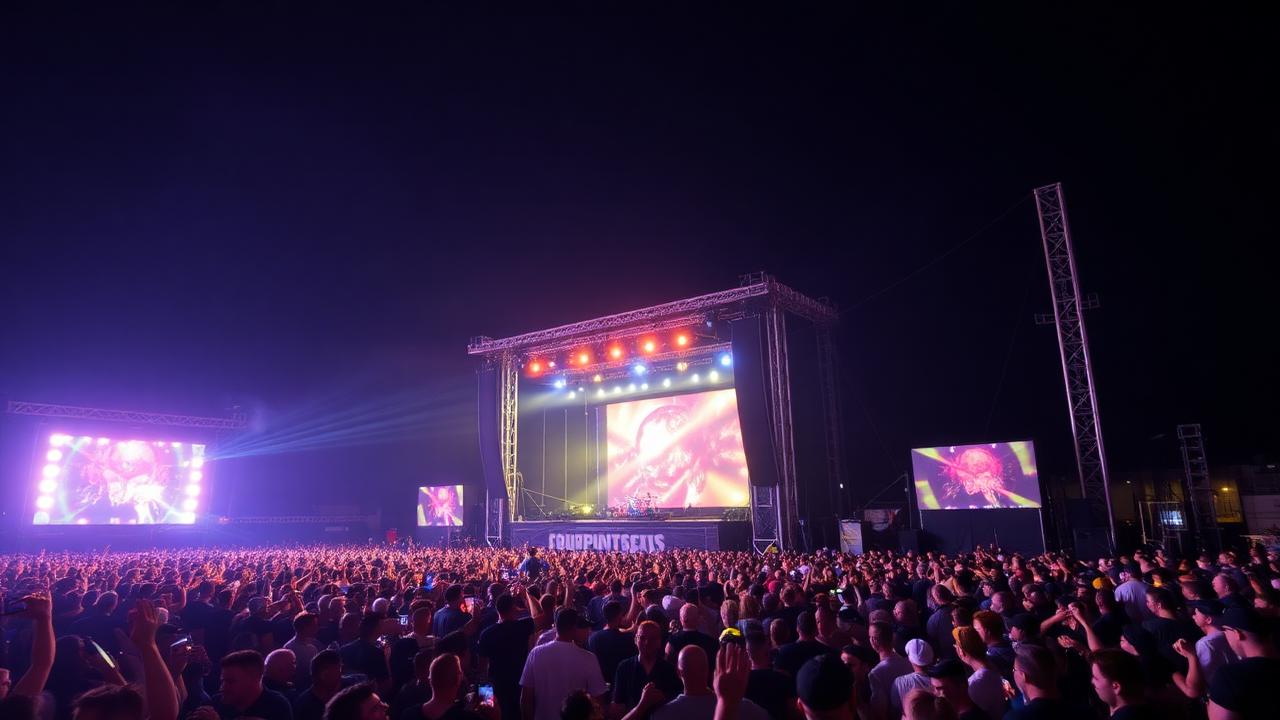
Concerts typically produce 95–115 dB at mid-venue and 110–120 dB near the speakers. Classical concerts are quieter at 80–100 dB. Hearing protection is recommended for any concert exceeding 85 dB, which is virtually all amplified music.
📊 Similar in loudness to a helicopter overhead at 100 feet (about 105 dB).
Prolonged exposure above 85 dB can damage hearing.
At a glance
| Typical range | 95–115 dB |
|---|---|
| Safety tier | Dangerous |
| Safe exposure (NIOSH REL) | < 30 seconds |
| Audible at | ~50+ ft |
Louder than a gas-powered lawn mower (90 dB), quieter than an ambulance siren at 10 feet (120 dB).
How these figures were determined: Values are based on published reference levels from NIOSH, OSHA, the WHO and the CDC, together with manufacturer specifications where available. Actual sound levels vary with distance, room acoustics, equipment condition and measurement method, and readings taken with a phone microphone are estimates rather than calibrated measurements.
Concert Decibel Levels by Genre
Not all concerts are equally loud. Classical orchestral performances in concert halls typically sustain 75–95 dB with occasional peaks during fortissimo passages reaching 100 dB. Softer passages may drop to 60–70 dB — a dynamic range that adds to the experience.
Pop and indie concerts at medium-sized venues (500–2000 capacity) generally produce 95–105 dB at mid-venue. The sound is carefully managed by front-of-house engineers to fill the space without overwhelming distortion.
Rock, metal, and EDM concerts are the loudest, commonly sustaining 100–115 dB at mid-venue. Near the speaker stacks and subwoofers, peaks of 115–120 dB are typical. Some legendary acts have been measured at 130+ dB — approaching the threshold of pain.
- Classical orchestra: 80–100 dB
- Jazz/acoustic: 85–100 dB
- Pop/indie (mid-venue): 95–105 dB
- Rock/metal (mid-venue): 100–115 dB
- EDM/dance (mid-venue): 100–115 dB
- Near speakers (any genre): 110–120+ dB
Your ears can't tell you the real danger level here…
Noise Level: Concert
Classification
Dangerous
Safe Exposure
~7 min
How Position Affects Your Exposure
Your position in the venue dramatically changes your noise exposure. Front-row and pit positions near the PA speakers experience 110–120 dB — safe exposure time is measured in minutes.
Mid-venue (halfway back) is typically 100–110 dB. This is where most attendees stand and where sound engineers target their mix. Safe exposure at 105 dB is approximately 5 minutes without protection.
Balcony and rear positions in large venues may experience 90–100 dB — still above the damage threshold but with significantly longer safe exposure times. Outdoor festivals often produce lower levels at equivalent distances due to the lack of reflecting walls.
Typical Sound Levels
Most noise-induced hearing loss happens gradually — without any pain…
A 10 dB increase sounds roughly twice as loud to human ears, even though the actual sound energy increases tenfold.
Measure Your Environment
Use Snap Decibel Meter to estimate the sound level around you right now.
Open Noise MeterThe Real Risk: Cumulative Concert Damage
A single concert at 105 dB for 2 hours delivers a noise dose roughly 50 times the NIOSH recommended maximum. Most concert-goers experience ringing ears afterward — a clear sign of temporary hearing damage.
The danger scales with frequency. Monthly concert attendance over years produces measurable, permanent high-frequency hearing loss. Musicians and sound engineers, exposed nightly, have significantly higher rates of hearing impairment and tinnitus than the general population.
The insidious nature of this damage is its gradual onset. Concert-goers often do not notice hearing changes until their 30s or 40s, by which point significant loss has already occurred.
Best Earplugs for Concert-Goers
Musicians' earplugs with flat attenuation are the gold standard for concerts. Unlike foam earplugs that muffle high frequencies, musicians' plugs reduce all frequencies evenly by 15–20 dB. Music sounds the same, just quieter — like turning down the master volume.
Custom-molded earplugs (from an audiologist, $100–200) provide the best fit, comfort for 3+ hour events, and consistent 15–25 dB reduction. Over a lifetime of concert-going, they are one of the best health investments you can make.
Affordable universal-fit musicians' earplugs ($15–30) offer similar attenuation with slightly less perfect fit. For occasional concert-goers, these provide excellent protection at minimal cost.
Your daily noise exposure might already exceed safe limits.
Understanding Concert Noise Levels
Sound at 95–115 dB from concert interacts with your environment in predictable ways. Hard surfaces reflect it, soft surfaces absorb it, barriers block it (with some diffraction around edges), and distance attenuates it. These fundamental acoustic principles apply universally and form the basis of every noise control strategy.
Noise at 95–115 dB from concert exceeds the maximum level that any regulatory body considers safe for unlimited exposure. At this intensity, sound energy is sufficient to physically damage the stereocilia (hair-like structures) on inner ear sensory cells. These structures do not regenerate in mammals — every exposure above safe limits contributes to permanent, cumulative hearing loss.
Room acoustics have a major impact on how loud concert actually sounds. Hard, reflective surfaces (tile, glass, concrete) create reverberation that can increase the effective level by 5–10 dB. Soft materials like curtains, carpet, and upholstered furniture absorb sound waves and make the same source noticeably quieter.
Concert vs. Common Noise Sources
Concert noise at 95–115 dB matches a helicopter overhead at 100 feet (105 dB) on the decibel scale. While the measured levels are equivalent, your brain perceives these sounds very differently based on their spectral content, temporal pattern, and your learned associations with each source.
On the quieter end, heavy city traffic from the sidewalk registers about 88 dB — that's 17 dB below concert, representing roughly 3× less perceived loudness. Moving louder, a jet takeoff at 100 meters reaches 130 dB — 25 dB above concert, approximately 6× louder to your ears.
The decibel scale is logarithmic — each 10 dB increase represents a tenfold jump in sound energy and roughly a doubling of perceived loudness. At 95–115 dB, concert carries 31,622,776,602× more acoustic energy than the threshold of hearing (0 dB), placing it in a well-characterized region of the audible spectrum.
Safe Exposure Duration for Concert
According to NIOSH guidelines, the maximum safe exposure time at 115 dB is < 30 seconds. Immediate and permanent hearing damage is possible.
NIOSH Exposure Limits Reference
Hearing Protection Strategies for Concert
Sustained exposure to concert at 115 dB requires a deliberate hearing protection strategy. The National Institute for Deafness recommends the "3-E" approach: Engineering controls (reduce the source noise), Environmental modifications (increase distance, add barriers), and Equipment (wear proper hearing protection). Apply these in order — prevent the noise first, protect against the remainder.
The most effective noise reduction combines source treatment, path interruption, and receiver protection — the "source-path-receiver" model used by acoustic engineers. For concert at 115 dB, start at the source (can you reduce the noise output?), then address the path (can you add distance, barriers, or absorption?), and finally protect yourself (hearing protection, time limits).
- Close doors and seal gaps between rooms to reduce transmitted noise by 15–25 dB
- Wear NRR 20+ hearing protection if concert exposure exceeds 85 dB
- Monitor cumulative daily exposure — multiple moderate sources compound over time
- Increase distance from concert when possible — every doubling cuts the level by 6 dB
- Measure concert noise with a smartphone app to establish your actual exposure level
Test It Yourself: Measuring Concert Noise
To measure concert noise as accurately as possible, use a dedicated Type 2 sound level meter or a calibrated smartphone app such as NIOSH SLM. Snap Decibel Meter gives you a fast relative estimate — useful for comparing environments, but uncalibrated and unweighted. Position the device at 1 meter from the source, at the height where you'd normally hear it. Take readings over 30–60 seconds and note both average (Leq) and peak (Lmax) values.
Measuring loud sounds like concert at 105 dB requires caution — the measurement process itself exposes you to potentially damaging noise. Wear hearing protection during measurement sessions, use a remote microphone or tripod placement when possible, and limit measurement duration to the minimum needed for representative data.
How Concert Noise Affects Your Health
The progression of hearing damage from concert exposure follows a predictable pattern: first, temporary threshold shift (sounds seem muffled after exposure), then persistent tinnitus (ringing or buzzing that doesn't resolve), then permanent threshold shift (measurable hearing loss on audiometric testing). Early-stage damage is often unnoticed because the brain compensates by "filling in" missing signals from context.
Warning signs of overexposure to concert noise include: ringing, buzzing, or hissing in the ears after exposure; speech sounding muffled or distant; difficulty following conversations in restaurants or social settings; and needing to gradually increase TV or headphone volume. If you experience any of these after exposure to concert, reduce future exposure immediately and consult an audiologist.
Warning Signs of Overexposure
- Ringing, buzzing, or hissing in your ears after exposure to concert
- Sounds seem muffled or distant after leaving the noisy environment
- Difficulty understanding speech in crowded or noisy settings
- Gradually increasing your TV or headphone volume over weeks
Measure Concert Noise Yourself
Want to know how loud concert is in your own environment? Use our free decibel meter to take a real-time reading, or check the complete decibel chart to see where 95–115 dB sits on the full scale. You can also compare sounds side by side or use the noise distance calculator to estimate levels at different distances.
🎯 Guess the Decibel Level
How loud do you think Concert is? Drag the slider and find out!
Hearing Safety
Most concerts exceed 100 dB. At this level, safe exposure is under 15 minutes. Wear musicians' earplugs to enjoy the full concert safely.
Frequently Asked Questions
How loud is a concert in decibels?
95–115 dB at mid-venue depending on genre. Near speakers: 110–120 dB.
Can one concert damage hearing?
Yes. A 2-hour concert at 105 dB delivers ~50x the safe noise dose, causing temporary and potentially permanent damage.
Do earplugs ruin the concert experience?
Musicians' earplugs reduce volume evenly, so music sounds the same but quieter. Most users say they actually hear more detail.
What is the loudest concert ever recorded?
Several acts have been measured at 130+ dB, but exact records vary. The Who and Manowar both claim records above 130 dB.
Explore More
Related Noise Guides
When Does Sound Become Dangerous?
The line between safe and dangerous sound is clearer than you think. Here are the exact thresholds, time limits, and warning signs.
9 min readEntertainment NoiseHow Loud Are Fireworks? (Decibel Levels + Safety)
Fireworks can reach 140–175 dB at the launch point. Learn what that means for your hearing and how to enjoy them safely.
6 min readDecibel QuestionsWhat Does 100 dB Sound Like? Seriously Loud Territory
100 dB is the volume of a nightclub, power saw, or approaching train. It can damage hearing in just 15 minutes. Here's what you need to know.
5 min readDecibel QuestionsWhat Does 110 dB Sound Like? The Edge of Pain
110 dB is the roar of a rock concert front row or a chainsaw at close range. It can damage hearing in under 2 minutes. Here's the reality.
5 min readHow Does Concert Compare?
Tap any sound to learn more about its noise level.
| Sound level | Sound | Vs. Concert | Risk |
|---|---|---|---|
| 105 dB | Concert (this page) | — | Danger |
| 93 dB | Power Drill | −12 dB quieter | Loud |
| 93 dB | Subway Train | −12 dB quieter | Loud |
| 100 dB | Leaf Blower | −5 dB quieter | Loud |
| 110 dB | Concert or Festival | +5 dB louder | Danger |
| 118 dB | Cockatoo | +13 dB louder | Danger |
| 120 dB | 120 Decibels | +15 dB louder | Danger |
Compare With Other Sounds
See how this noise level compares to other everyday sounds.
Test Your Environment
Use Snap Decibel Meter to measure sound levels around you — free, private, and instant.
Start Noise Measurement