Decibel Chart: Complete Sound Level Reference (2026)
The complete decibel chart — 50+ sounds ranked from near-silence to rocket launches, with safety thresholds and exposure limits.
Reviewed by our team against authoritative public-health sources. See our editorial standards.
Quick Answer
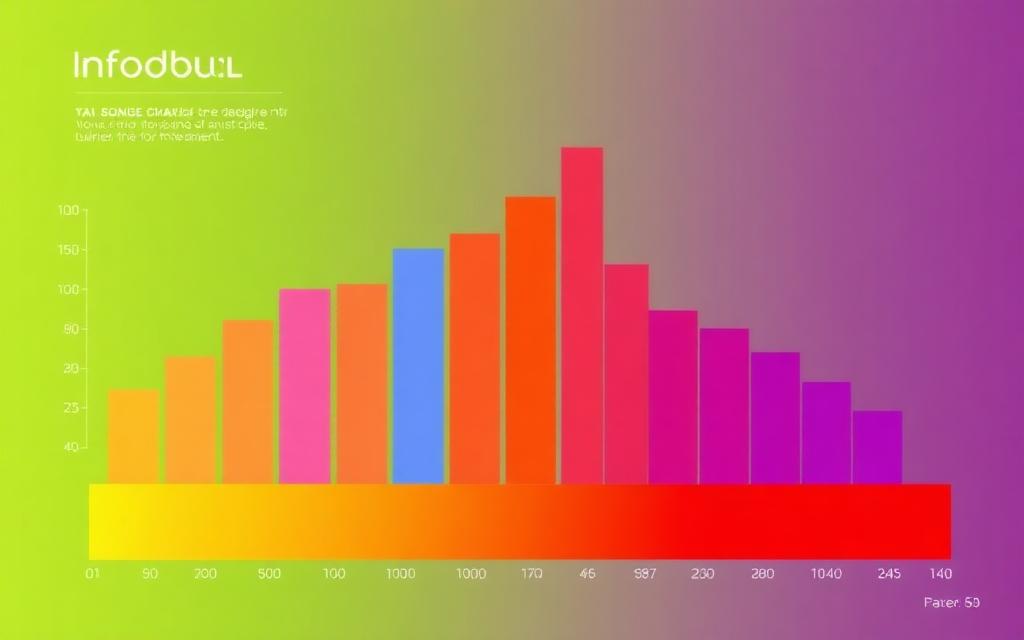
The decibel scale ranges from 0 dB (threshold of hearing) to 194 dB (theoretical maximum in air). Key benchmarks: 30 dB = whisper, 60 dB = conversation, 85 dB = hearing damage starts, 120 dB = threshold of pain, 140+ dB = immediate damage.
Complete Decibel Chart: 0 to 180 dB
The decibel (dB) scale measures sound intensity on a logarithmic scale. Every increase of 10 dB represents a doubling of perceived loudness, even though the actual sound energy increases tenfold.
Below is a comprehensive reference covering the full range of human-audible sound, from the quietest environments to the most extreme sources. Use this chart to understand where everyday sounds fall and when hearing protection becomes necessary.
This chart uses the dB(A) weighting scale, which adjusts for human hearing sensitivity. Most consumer and professional sound meters use A-weighting by default.
You're probably exposed to this more often than you realize…
Safe Zone: 0–70 dB
Sounds in the 0–70 dB range are safe for hearing at any duration. This covers everything from near-silence to busy traffic and running showers. No hearing protection is needed, though sounds above 50 dB may be considered 'noisy' for sleeping or focused work.
Key reference points in this range: breathing (10 dB), whisper (30 dB), quiet library (40 dB), moderate rain (50 dB), conversation (60 dB), and shower running (70 dB).
Typical Sound Levels
This is the point where hearing damage starts…
Noise-induced hearing loss is the second most common form of sensorineural hearing deficit, after age-related loss.
Measure Your Environment
Use Snap Decibel Meter to estimate the sound level around you right now.
Open Noise MeterCaution Zone: 70–85 dB
Between 70 and 85 dB, sound is loud but not immediately dangerous. Prolonged daily exposure (8+ hours) at the upper end of this range approaches hearing damage territory. The EPA identifies 70 dB as the 24-hour average below which no hearing damage occurs over a lifetime.
Common sounds: vacuum cleaner (75 dB), busy traffic (75 dB), alarm clock (80 dB), garbage disposal (80 dB), blender (85 dB).
Danger Zone: 85–120 dB
85 dB is the critical threshold. Above this level, hearing damage is a function of time. Safe exposure times drop rapidly: 85 dB = 8 hours, 90 dB = 2 hours, 100 dB = 15 minutes, 110 dB = 2 minutes.
Common sounds: lawn mower (90 dB), motorcycle (95 dB), nightclub (100 dB), chainsaw (110 dB), ambulance siren (120 dB). Hearing protection is essential in this range.
Extreme Zone: 120+ dB
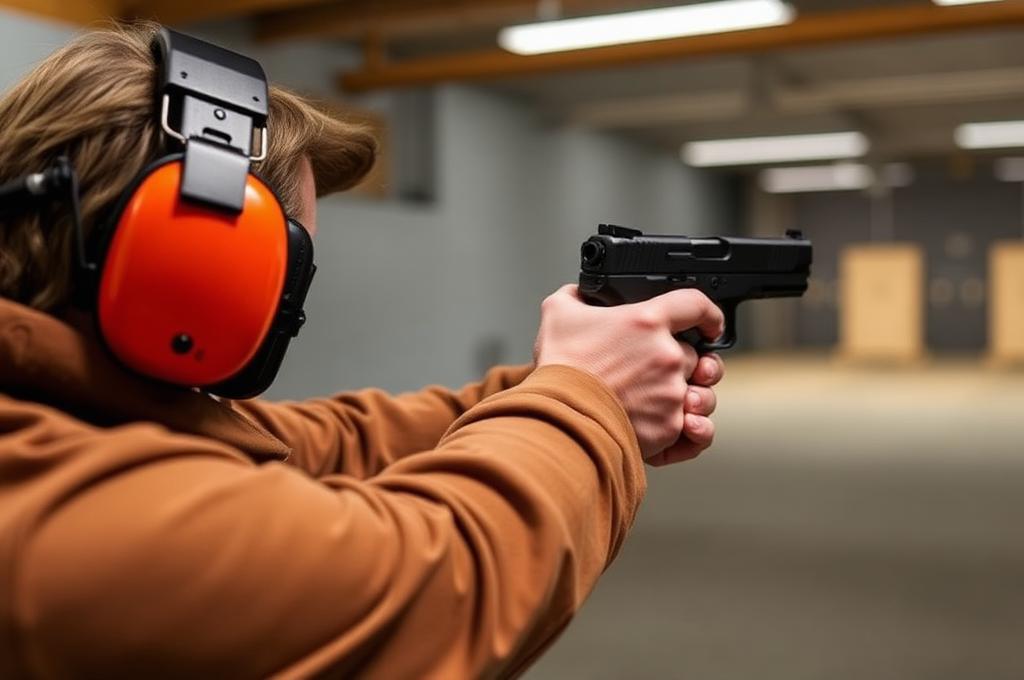
Above 120 dB (the threshold of pain), any exposure risks immediate hearing damage. Sounds in this range include gunshots (140–165 dB), fireworks at close range (150+ dB), and jet engines (130–150 dB).
At 140 dB, eardrum rupture becomes possible. At 185+ dB, sound becomes a shockwave that can cause physical injury beyond hearing damage. Rocket launches produce 180+ dB at the pad.
How to Use This Chart
Use this chart as a quick reference to estimate the noise level of sounds in your environment. For precise measurements, use Snap Decibel Meter to get real-time dB readings with your phone.
Remember: every 3 dB increase doubles the sound energy, and every 10 dB increase roughly doubles the perceived loudness. Small differences on the chart represent significant differences in real-world impact.
Your daily noise exposure might already exceed safe limits.
Frequently Asked Questions
What is a decibel?
A decibel (dB) is a unit that measures sound intensity on a logarithmic scale. 0 dB is the quietest sound humans can hear; 120 dB is the threshold of pain.
How many decibels is too loud?
85 dB is the threshold where prolonged exposure causes hearing damage. Brief exposure becomes risky above 100 dB.
What does 10 dB difference mean?
Every 10 dB increase roughly doubles the perceived loudness. 70 dB sounds twice as loud as 60 dB.
What is the loudest possible sound?
In air at sea level, the theoretical maximum is 194 dB. Rocket launches produce approximately 180 dB at the pad.
Explore More
Related Noise Guides
Decibel Chart: Complete Sound Level Reference (2026)
The complete decibel chart — 50+ sounds ranked from near-silence to rocket launches, with safety thresholds and exposure limits.
8 min readNoise BasicsNoise Level Chart: Everyday Sounds Ranked by Decibels
A practical chart ranking 40+ everyday sounds from quiet to dangerously loud, with real-world context for each level.
7 min readHearing SafetyIs 85 dB Dangerous? The Critical Hearing Damage Threshold
85 dB is where hearing damage begins. It's the most important number in noise safety — and most people have no idea they're exposed to it daily.
6 min readHearing SafetyIs 120 dB Dangerous? The Pain Threshold Explained
120 dB is the threshold of pain. Even a few seconds can cause permanent hearing damage. Sirens, jet engines, and gunshots reach this territory.
5 min readCompare With Other Sounds
See how this noise level compares to other everyday sounds.


Test Your Environment
Use Snap Decibel Meter to measure sound levels around you — free, private, and instant.
Start Noise Measurement