Noise Level Chart: Everyday Sounds Ranked by Decibels
A practical chart ranking 40+ everyday sounds from quiet to dangerously loud, with real-world context for each level.
Reviewed by our team against authoritative public-health sources. See our editorial standards.
Quick Answer
Common everyday sounds range from 30 dB (quiet bedroom) to 100+ dB (concerts). Most home activities produce 40–80 dB. Traffic ranges from 70–85 dB. The hearing damage threshold is 85 dB with prolonged exposure.
Home & Household Sounds (30–85 dB)
Your home is full of sounds at varying decibel levels. Understanding where each falls helps you evaluate your daily noise exposure and make informed decisions about noise management.
Quiet environments: ceiling fan (35–45 dB), refrigerator hum (40 dB), quiet dishwasher (45–55 dB). Moderate sounds: conversation (60 dB), TV at normal volume (60–70 dB), shower (70 dB). Loud appliances: vacuum cleaner (75 dB), blender (85 dB), hair dryer (75–85 dB).
Your ears can't tell you the real danger level here…
Outdoor & Traffic Sounds (50–100 dB)
Stepping outside exposes you to a wider range of sound levels. Quiet suburban neighborhoods average 45–55 dB, while urban streets with traffic reach 70–85 dB. Construction zones can hit 90–110 dB.
Common outdoor sounds: birdsong (40–50 dB), moderate rain (50 dB), city traffic from sidewalk (75 dB), motorcycle passing (95 dB), ambulance siren (120 dB).
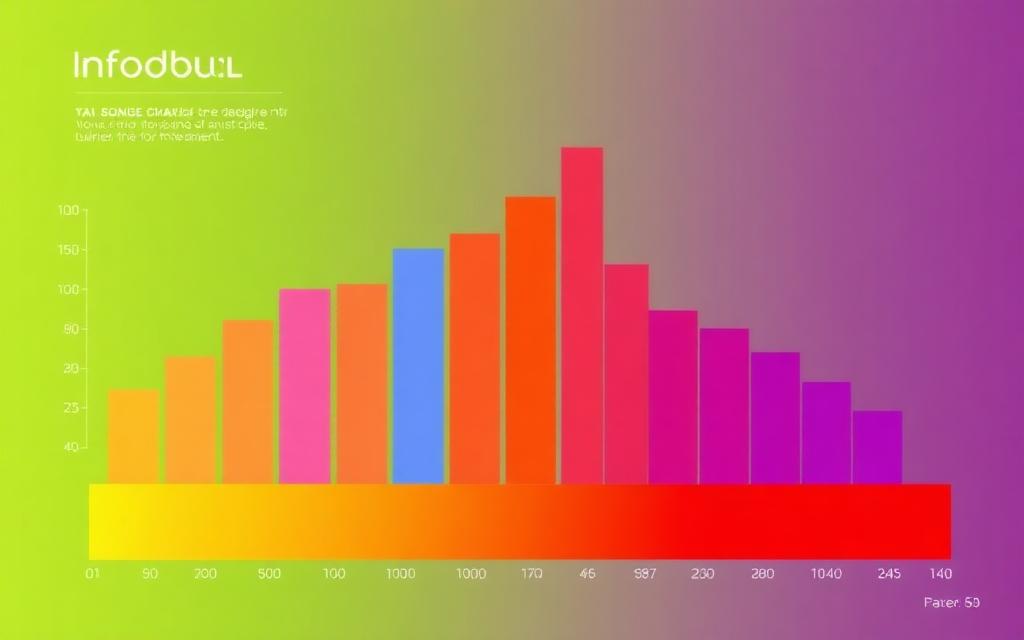
Typical Sound Levels
This is the point where hearing damage starts…
The world's quietest room at Microsoft measures -20.6 dB — so quiet you can hear your own blood flowing.
Measure Your Environment
Use Snap Decibel Meter to estimate the sound level around you right now.
Open Noise MeterWorkplace & Industrial Sounds (50–120 dB)
Office environments typically sustain 50–65 dB — below damage thresholds but potentially disruptive for focused work. Manufacturing, construction, and entertainment workplaces routinely exceed 85 dB, requiring hearing conservation programs.
Office: quiet private office (45 dB), open-plan office (55–65 dB). Industrial: factory floor (80–95 dB), power tools (90–110 dB), jackhammer (110–120 dB).
Entertainment & Recreation Sounds (60–130 dB)
Entertainment activities are among the most common sources of recreational hearing damage. Movie theaters average 85–95 dB during action sequences, concerts reach 100–115 dB, and clubs often hit 100–110 dB.
Quieter activities: restaurant conversation (65 dB), live acoustic music (70–80 dB). Louder activities: movie theater (85–95 dB), sporting events (90–110 dB), rock concerts (100–115 dB), nightclubs (95–110 dB).
How to Measure Your Own Noise Levels
The best way to understand your noise environment is to measure it. Snap Decibel Meter gives you real-time dB readings using your phone's microphone — no app download required.
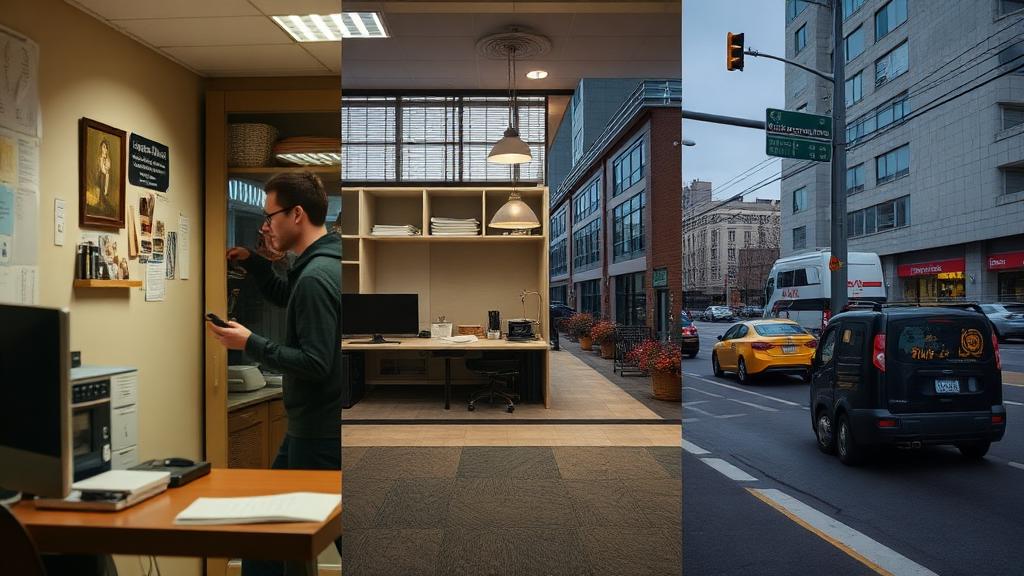
Try measuring different rooms in your home, your commute, your workplace, and your recreational activities. You may be surprised how loud some everyday situations actually are.
Your daily noise exposure might already exceed safe limits.
Frequently Asked Questions
What is a normal indoor noise level?
A typical quiet home measures 30–45 dB. With appliances and conversation, levels rise to 50–65 dB.
What is a safe noise level for work?
NIOSH recommends hearing protection above 85 dBA, and OSHA requires a hearing conservation program at that level. For office concentration, below 50–55 dB is recommended.
How loud is a typical city?
Urban streets average 70–85 dB, with peak events (sirens, construction) reaching 90–120 dB.
Explore More
Related Noise Guides
Typical Noise Levels in Everyday Life
A comprehensive guide to common sound levels you encounter daily, from whispers to concerts, with practical decibel comparisons.
10 min readNoise BasicsNoise Levels in Everyday Life: A Complete Guide
Your daily routine exposes you to a surprising range of noise levels. This guide maps every common sound from morning alarm to evening TV.
10 min readNoise BasicsDecibel Chart: Complete Sound Level Reference (2026)
The complete decibel chart — 50+ sounds ranked from near-silence to rocket launches, with safety thresholds and exposure limits.
8 min readCompare With Other Sounds
See how this noise level compares to other everyday sounds.


Test Your Environment
Use Snap Decibel Meter to measure sound levels around you — free, private, and instant.
Start Noise Measurement