What Are Safe Decibel Levels? The Complete Safety Guide
Below 70 dB is safe forever. Below 85 dB is safe for 8 hours. Above that, the clock starts. Here's the complete guide to safe noise levels.
Reviewed by our team against authoritative public-health sources. See our editorial standards.

Quick Answer
A decibel (dB) is a logarithmic unit used to measure sound intensity: an increase of 10 dB means ten times more sound energy.
Below 70 dB is safe for unlimited exposure. 70–85 dB is safe for extended periods but may cause non-auditory stress. Above 85 dB, safe exposure time is limited: 8 hours at 85 dB, 2 hours at 90 dB, 15 minutes at 100 dB. Above 120 dB (pain threshold), even seconds are dangerous.
📊 Similar in loudness to a running shower (about 70 dB).
Prolonged exposure above 85 dB can damage hearing.
At a glance
| Typical range | 70 dB |
|---|---|
| Safety tier | Moderate |
| Safe exposure (NIOSH REL) | All-day OK |
Louder than a busy restaurant (65 dB), quieter than a vacuum cleaner at 10 feet (75 dB).
How these figures were determined: Values are based on published reference levels from NIOSH, OSHA, the WHO and the CDC, together with manufacturer specifications where available. Actual sound levels vary with distance, room acoustics, equipment condition and measurement method, and readings taken with a phone microphone are estimates rather than calibrated measurements.
The Four Noise Safety Zones
Understanding noise safety becomes simple when you divide the decibel scale into four zones. The Safe Zone (below 70 dB) allows unlimited exposure with no hearing or health risk. This includes whispers, conversation, rain, and quiet appliances.
The Awareness Zone (70–84 dB) is safe for hearing but may cause stress, fatigue, and concentration difficulties with prolonged exposure. This includes traffic, restaurants, and some appliances.
The Danger Zone (85–119 dB) causes progressive hearing damage with limited safe exposure times. Lawn mowers, concerts, power tools, and nightclubs live here.
The Extreme Zone (120+ dB) causes immediate pain and potential instant permanent damage. Gunshots, jet engines, and sirens at close range define this zone.
This might be louder than you think…
Noise Level: Safe decibel levels
Classification
Moderate
Safe Exposure
No time limit
Safe Exposure Times by Decibel Level
NIOSH provides clear guidelines for maximum daily noise dose at each decibel level. These limits represent the point at which hearing damage risk becomes significant:
- 70 dB and below: Unlimited — no hearing risk
- 80 dB: ~25 hours (effectively unlimited for daily life)
- 85 dB: 8 hours
- 88 dB: 4 hours
- 91 dB: 2 hours
- 94 dB: 1 hour
- 97 dB: 30 minutes
- 100 dB: 15 minutes
- 103 dB: 7.5 minutes
- 106 dB: ~4 minutes
- 110 dB: ~1.5 minutes
- 115 dB: ~30 seconds
- 120+ dB: No safe exposure
Typical Sound Levels
Here's where it becomes dangerous…
The world's quietest room at Microsoft measures -20.6 dB — so quiet you can hear your own blood flowing.
Measure Your Environment
Use Snap Decibel Meter to estimate the sound level around you right now.
Open Noise MeterApplying Safety Levels to Daily Life
Most people's daily noise exposure is a patchwork of different levels: quiet home (40–50 dB), commute (70–85 dB), office (55–65 dB), gym (80–95 dB), cooking (70–85 dB), and evening activities (50–100 dB). The total daily dose is what matters.
A useful rule of thumb: if you need to raise your voice to be heard at arm's length, the environment is at or above 85 dB and your hearing clock is ticking. If you can converse normally, you're likely below the threshold.
Use Snap Decibel Meter throughout your day to build an accurate picture of your personal noise exposure profile. Most people are surprised by how many daily activities cross the 85 dB line.
WHO and CDC Recommendations
The WHO recommends keeping environmental noise below 70 dB to prevent non-auditory health effects (cardiovascular stress, sleep disruption, cognitive impairment). They recommend below 40 dB for nighttime sleeping environments.
The CDC aligns with NIOSH: 85 dB is the hearing damage threshold, and all workers exposed to 85+ dB should have access to hearing protection and regular audiometric testing.
For children, the WHO recommends even stricter limits: toys should not exceed 75 dB, and school environments should stay below 35 dB for optimal learning.
Protection Strategies by Noise Level
Below 70 dB: No protection needed. Enjoy the quiet.
70–84 dB: No hearing protection needed, but consider noise breaks if exposed for 8+ hours. Manage comfort with soft furnishings and background masking.
85–99 dB: Foam earplugs recommended. Keep sessions under the NIOSH time limit or use 15–25 dB attenuation earplugs.
100+ dB: Hearing protection mandatory. Use musicians' earplugs (15–20 dB) or foam earplugs (25–30 dB). At 110+ dB, combine earplugs with over-ear muffs.
Now that you know the real level, test your own environment.
70 dB on the Decibel Scale
A reading of 70 dB tells you how much acoustic energy reaches the microphone, but not what produced it. The same level can come from a nearby quiet source or a distant loud one, so context matters as much as the number. Since decibels are logarithmic, adding 10 dB means ten times the sound energy and about twice the perceived loudness.
In practical terms, 70 dB is close to a running shower, which sits at about 70 dB and is generally described as audible household. That reference is a useful anchor: if you can picture how that sound feels in a room, you have a reasonable sense of what 70 dB means.
Levels in this region also depend heavily on distance. Sound spreads out as it travels, and in free-field conditions each doubling of distance from a point source removes roughly 6 dB. Indoors, reflections from hard walls, floors and windows work in the opposite direction and can add several decibels to the same source.
Published reference levels like these come from occupational and public-health sources — NIOSH, OSHA, the WHO and the CDC — measured with calibrated, A-weighted instruments. Readings you take with a phone are useful for comparing one environment with another, but they are relative estimates rather than calibrated measurements, so treat small differences with caution.
Putting 70 dB in Perspective
On the quieter side, a busy restaurant registers about 65 dB — 5 dB below 70 dB. On the louder side, a vacuum cleaner at 10 feet reaches roughly 75 dB, which is 5 dB above it. Because 10 dB is heard as about twice as loud, those gaps translate into clearly different listening experiences rather than minor variations.
Two sounds at the same measured level can still feel different. Frequency content, how steady the sound is, and how much you associate it with something unpleasant all shape perception. That is why 70 dB from a steady fan and 70 dB from an intermittent, high-pitched source rarely feel equally intrusive even though a meter reports the same number.
If you want to place 70 dB on the full scale, the decibel chart lists reference levels from near-silence up to immediate-damage territory, and the sound comparison tool lets you line up two sounds side by side.
Managing Noise Around 70 dB
While safe decibel levels at 70 dB doesn't require hearing protection, managing this noise improves comfort, reduces stress, and preserves the quiet that supports concentration, sleep, and cardiovascular health. The strategies below focus on environmental modifications rather than personal protective equipment.
Simple environmental changes can reduce your effective exposure to safe decibel levels noise. Closing a standard interior door reduces transmitted sound by 15–20 dB. Adding a rug to a hard floor absorbs 2–4 dB of reflected energy. Hanging heavy curtains adds 5–8 dB of high-frequency absorption. These modest steps compound to create meaningful noise reduction.
- Add soft furnishings (rugs, curtains, upholstered furniture) to absorb reflected safe decibel levels sound
- Close doors and seal gaps between rooms to reduce transmitted noise by 15–25 dB
- Wear NRR 20+ hearing protection if safe decibel levels exposure exceeds 85 dB
- Monitor cumulative daily exposure — multiple moderate sources compound over time
- Increase distance from safe decibel levels when possible — every doubling cuts the level by 6 dB
Checking Whether Your Environment Reaches 70 dB
To check whether your environment reaches 70 dB, measure where you actually spend time rather than right at the source, keep the microphone clear of clothing and hands, and let the reading settle for at least 30 seconds so short bursts do not dominate. Note the average level as well as the loudest moments — they answer different questions.
Phone-based measurements have real limits. Microphones vary between models, browsers may apply automatic gain control or noise suppression, and there is no absolute calibration reference. Snap Decibel Meter is unweighted and ambient-referenced, so it is best used to compare environments and track changes rather than to certify an absolute figure. For compliance work, a Type 2 sound level meter is the appropriate instrument.
If you need levels at a different distance than you can safely measure, the noise distance calculator applies the inverse-square relationship for you, which is often more reliable than trying to measure close to a loud source.
Living With Noise Around 70 dB
Levels around 70 dB are not associated with hearing damage at any realistic duration, but they still affect people. The WHO links sustained night-time noise well below hearing-risk levels to disturbed sleep, and continuous background noise in this region is a common cause of reduced concentration in offices and classrooms.
For sleeping rooms the WHO guideline is around 30 dB of continuous indoor noise, which is considerably quieter than most urban bedrooms. If your measurements sit above that, soft furnishings, heavier curtains and sealing gaps around windows and doors usually help more than any single device change.
Check Whether Your Environment Reaches 70 dB
Want to know whether your own environment reaches 70 dB? Use our free decibel meter to take a real-time reading, or check the complete decibel chart to see where 70 dB sits on the full scale. You can also compare sounds side by side or use the noise distance calculator to estimate levels at different distances.
🎯 Guess the Decibel Level
How loud do you think safe decibel levels is? Drag the slider and find out!
Hearing Safety
The 85 dB threshold is the most important number in hearing safety. Below it, your hearing is safe. Above it, every minute without protection contributes to irreversible damage.
Frequently Asked Questions
What decibel level is safe for all-day exposure?
Below 70 dB is safe for unlimited exposure. 70–85 dB is safe for hearing but may cause fatigue.
At what dB level should I wear earplugs?
At 85 dB and above, hearing protection is recommended for any exposure longer than a few hours.
What is a safe noise level for sleeping?
30–40 dB is ideal for restful sleep. Above 50 dB disrupts sleep for most people.
Can noise below 85 dB cause harm?
Not hearing damage, but chronic exposure above 70 dB is linked to stress, cardiovascular issues, and cognitive impairment.
Explore More
Related Noise Guides
What Noise Level Is Safe for Humans?
Understand recommended noise exposure limits and how long you can safely be exposed to different sound levels without risking hearing damage.
8 min readNoise BasicsDecibel Chart: Complete Sound Level Reference (2026)
The complete decibel chart — 50+ sounds ranked from near-silence to rocket launches, with safety thresholds and exposure limits.
8 min readHearing SafetyIs 85 dB Dangerous? The Critical Hearing Damage Threshold
85 dB is where hearing damage begins. It's the most important number in noise safety — and most people have no idea they're exposed to it daily.
6 min readHearing SafetyIs 90 dB Dangerous? Exposure Limits & Real-World Risks
90 dB is dangerous — your hearing can only handle 2 hours of exposure. Lawn mowers, motorcycles, and subways all hit this level.
5 min readHow Does Safe decibel levels Compare?
Tap any sound to learn more about its noise level.
| Sound level | Sound | Vs. Safe decibel levels | Risk |
|---|---|---|---|
| 70 dB | Safe decibel levels (this page) | — | Moderate |
| 58 dB | Generator | −12 dB quieter | Safe |
| 58 dB | Electric Toothbrush | −12 dB quieter | Safe |
| 70 dB | The Complete Guide to Noise Levels and Decibels | same level | Moderate |
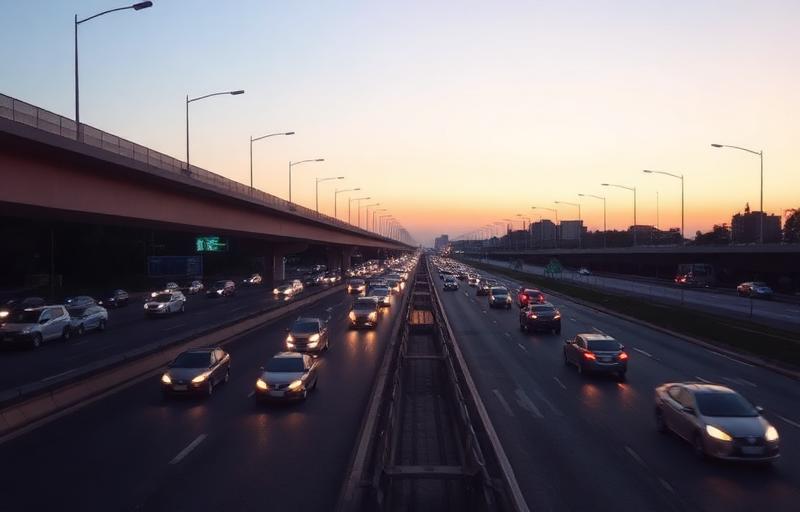
| 78 dB | Traffic Noise | +8 dB louder | Moderate |
| 82 dB | Woodpecker | +12 dB louder | Moderate |
| 83 dB | Hair Dryer | +13 dB louder | Moderate |
Compare With Other Sounds
See how this noise level compares to other everyday sounds.

Test Your Environment
Use Snap Decibel Meter to measure sound levels around you — free, private, and instant.
Start Noise Measurement