Safe Sound Levels Chart: How Loud Is Too Loud?
A clear, visual guide to safe vs. unsafe sound levels — know when to protect your hearing at a glance.
Reviewed by our team against authoritative public-health sources. See our editorial standards.
Quick Answer
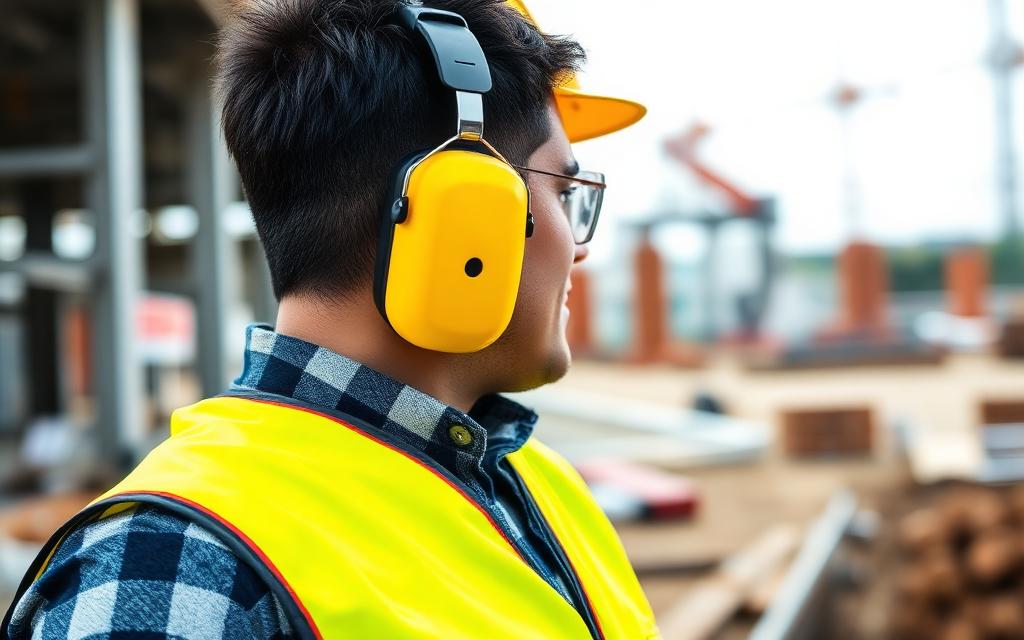
Safe: 0–70 dB (unlimited exposure). Caution: 70–85 dB (monitor duration). Dangerous: 85+ dB (time-limited, protection recommended). Key threshold: 85 dB = 8 hours max. 100 dB = 15 minutes max. 120+ dB = immediate risk.
Green Zone: Safe (0–70 dB)
All sounds below 70 dB are safe for hearing at any duration. This includes most indoor environments, normal conversations, quiet outdoor settings, and light traffic. No hearing protection is needed.
While safe for hearing, sounds in the 50–70 dB range can still affect concentration, sleep quality, and stress levels. The WHO recommends bedroom noise below 35 dB for optimal sleep.
Most people are surprised by how loud this actually is…
Yellow Zone: Caution (70–85 dB)
Between 70 and 85 dB, sound is loud but not immediately hazardous. However, chronic exposure at the upper end of this range (averaged over 24 hours) can contribute to gradual hearing loss over years.
Common sounds in this range: vacuum cleaner (75 dB), busy traffic from sidewalk (75 dB), alarm clock (80 dB), food processor (80 dB). Monitor your exposure and consider protection if you spend many hours daily at these levels.
Typical Sound Levels
Beyond this level, your hearing cells don't recover…
The world's quietest room at Microsoft measures -20.6 dB — so quiet you can hear your own blood flowing.
Measure Your Environment
Use Snap Decibel Meter to estimate the sound level around you right now.
Open Noise MeterRed Zone: Dangerous (85+ dB)
Above 85 dB, hearing damage is a matter of time. Every sound exposure in this zone uses up a portion of your daily safe noise allowance. The louder the sound, the faster the clock runs.
If you regularly encounter 85+ dB — from work, commuting, hobbies, or entertainment — hearing protection is an investment in your future quality of life. The cost of earplugs is trivial compared to the cost of hearing aids and the irreversible loss of auditory clarity.
International Safety Guidelines (WHO, OSHA, NIOSH)
WHO: Recommends limiting recreational noise to 80 dB averaged over 40 hours per week. Environmental noise below 70 dB (24-hour average) for community well-being.
OSHA: Permissible exposure limit of 90 dBA over an 8-hour TWA with a 5 dB exchange rate. An 85 dBA 8-hour TWA is the action level that triggers a hearing conservation program.
NIOSH: Recommended exposure limit of 85 dBA over 8 hours with a 3 dB exchange rate (more protective than OSHA). This is the standard used by most audiologists and hearing health professionals.
How to Measure Your Noise Exposure
The first step to protecting your hearing is knowing your exposure. Use Snap Decibel Meter to measure sound levels in your environment — at home, at work, during your commute, and at entertainment venues.
Track your loudest daily activities and compare them to the thresholds above. If any regular activity exceeds 85 dB, invest in appropriate hearing protection for that specific situation.
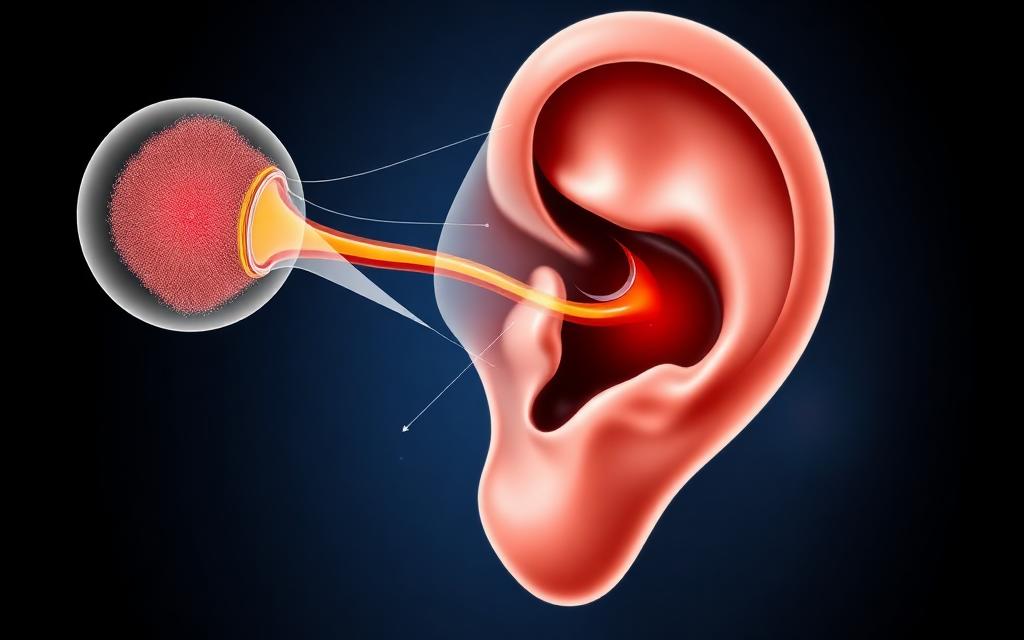
The difference between 'fine' and 'damaging' is smaller than you think.
Frequently Asked Questions
What is the safe noise level for daily life?
Below 70 dB is safe at any duration. The WHO recommends keeping environmental noise below 70 dB averaged over 24 hours.
How loud is too loud for headphones?
Most experts recommend keeping headphone volume below 60% of maximum, which typically corresponds to 75–85 dB. The WHO suggests a limit of 80 dB for personal audio.
What is the safest noise level for sleep?
Below 35 dB is ideal for sleep. Sound above 40 dB can cause sleep disruption, and above 55 dB can affect cardiovascular health during sleep.
How do I know if a sound is too loud?
If you have to raise your voice to be heard by someone 1 meter away, the ambient noise is likely above 80 dB — approaching the danger zone.
Explore More
Related Noise Guides
What Noise Level Is Safe for Humans?
Understand recommended noise exposure limits and how long you can safely be exposed to different sound levels without risking hearing damage.
8 min readNoise BasicsNoise Levels in Everyday Life: A Complete Guide
Your daily routine exposes you to a surprising range of noise levels. This guide maps every common sound from morning alarm to evening TV.
10 min readNoise BasicsDecibel Chart: Complete Sound Level Reference (2026)
The complete decibel chart — 50+ sounds ranked from near-silence to rocket launches, with safety thresholds and exposure limits.
8 min readCompare With Other Sounds
See how this noise level compares to other everyday sounds.


Test Your Environment
Use Snap Decibel Meter to measure sound levels around you — free, private, and instant.
Start Noise Measurement