Hearing Damage Chart: When Sound Becomes Dangerous
The complete hearing damage reference — NIOSH and OSHA exposure limits for every dB level, with real-world examples.
Reviewed by our team against authoritative public-health sources. See our editorial standards.
Quick Answer
Hearing damage begins at 85 dB with prolonged exposure (8 hours). Safe exposure halves for every 3 dB increase: 88 dB = 4 hours, 91 dB = 2 hours, 94 dB = 1 hour, 100 dB = 15 minutes, 110 dB = 2 minutes. Above 120 dB, any exposure risks immediate damage.
Prolonged exposure above 85 dB can damage hearing.
NIOSH Recommended Exposure Limits (Complete Table)
The National Institute for Occupational Safety and Health (NIOSH) uses a 3 dB exchange rate, meaning safe exposure time halves for every 3 dB increase. This is the most protective standard widely used.
85 dB = 8 hours. 88 dB = 4 hours. 91 dB = 2 hours. 94 dB = 1 hour. 97 dB = 30 minutes. 100 dB = 15 minutes. 103 dB = 7.5 minutes. 106 dB = 3.75 minutes. 109 dB = 112 seconds. 112 dB = 56 seconds. 115 dB = 28 seconds.
These limits represent the maximum daily exposure before measurable hearing damage begins. Less exposure is always better.
Most people are surprised by how loud this actually is…
How Noise Damages Your Hearing
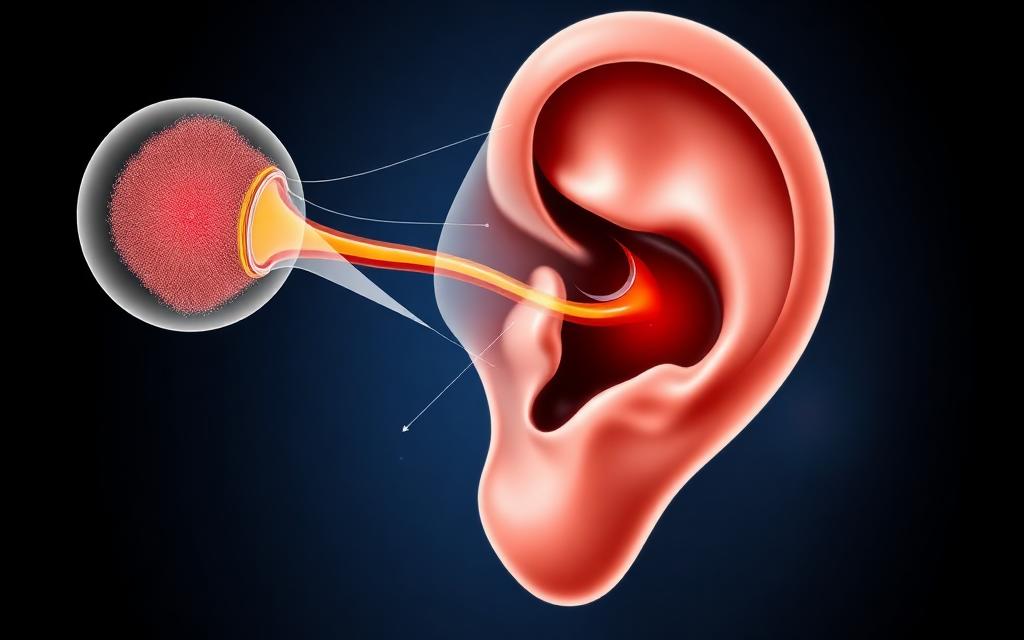
Sound enters your ear canal and vibrates your eardrum, which transmits vibrations through three tiny bones to the cochlea — a fluid-filled spiral structure lined with approximately 15,000 hair cells (stereocilia).
These hair cells convert mechanical vibrations into electrical signals that your brain interprets as sound. When exposed to excessive noise, the hair cells bend violently and can break. Once broken, they do not regenerate — the damage is permanent and irreversible.
Noise-induced hearing loss typically begins in the high-frequency range (3,000–6,000 Hz), making it harder to understand speech in noisy environments, hear consonants clearly, or perceive high-pitched sounds.
Typical Sound Levels
Beyond this level, your hearing cells don't recover…
Sound travels about 4.3 times faster through water than through air — roughly 1,480 m/s vs 343 m/s.
Measure Your Environment
Use Snap Decibel Meter to estimate the sound level around you right now.
Open Noise MeterCommon Activities and Their Risk Level
Understanding which everyday activities put your hearing at risk helps you make smart protection decisions. Many people are surprised to learn that common recreational activities exceed safe limits.
Low risk (under 85 dB): normal conversation, TV watching, driving with windows up. Moderate risk (85–95 dB): lawn mowing, motorcycling, loud restaurants. High risk (95–110 dB): concerts, nightclubs, power tools. Extreme risk (110+ dB): front-row concerts, firearms, jet engines.
How to Protect Your Hearing
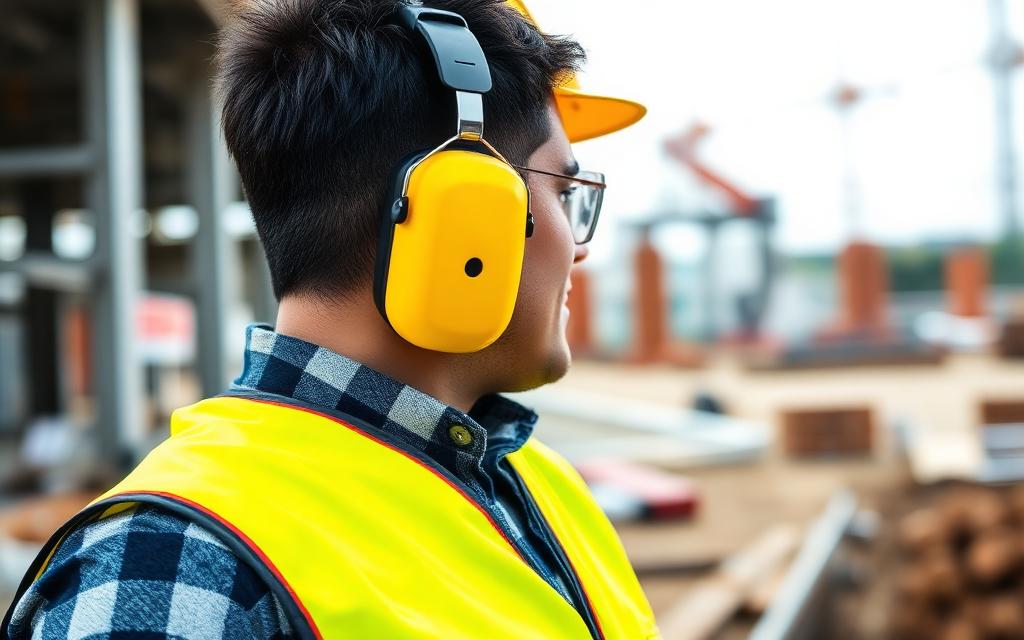
Hearing protection is simple, cheap, and effective. Foam earplugs (NRR 25–33) cost under $1 per pair and reduce exposure by 20–30 dB. Over-ear earmuffs provide similar protection with better comfort for extended wear.
For musicians and concert-goers, high-fidelity earplugs (NRR 15–20) reduce volume evenly across frequencies, preserving sound quality while protecting hearing. Custom-molded versions from audiologists offer the best fit and comfort.
The most important rule: any protection is better than none. Even fingers in your ears provide 10–15 dB of reduction in an emergency.
Signs You May Have Hearing Damage
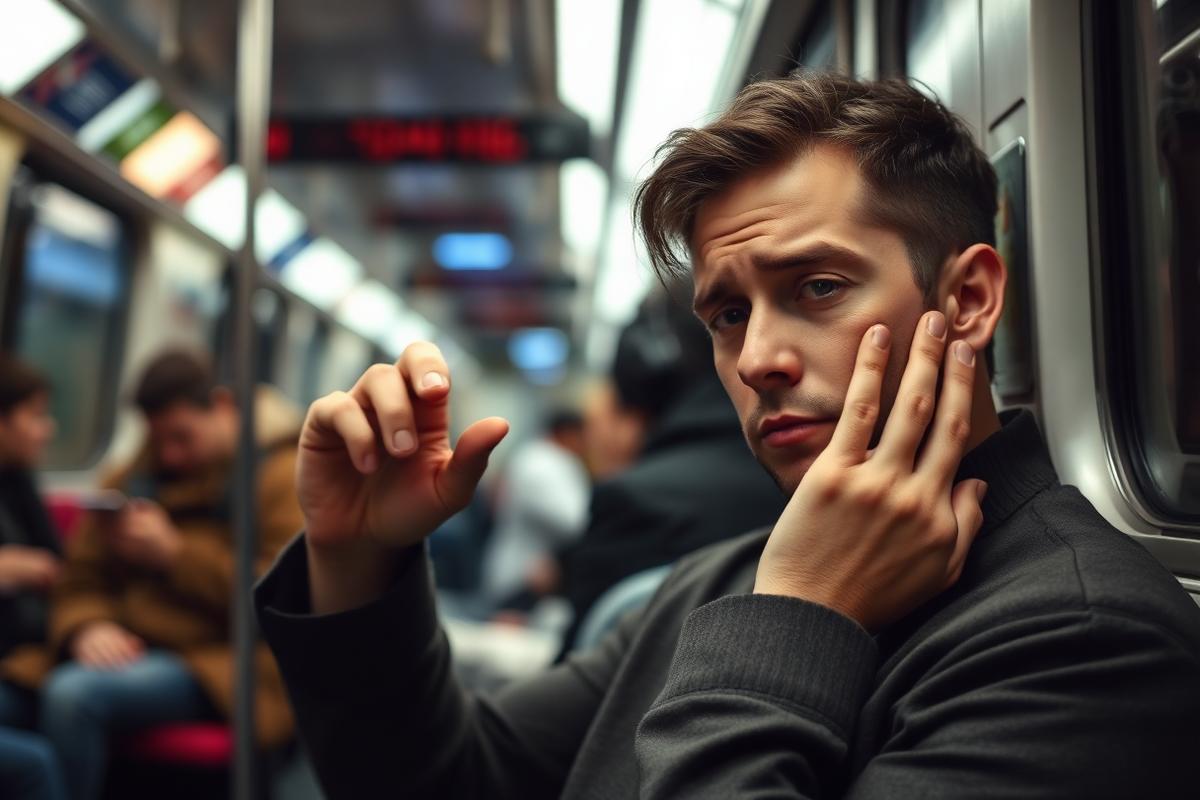
If you experience any of the following after noise exposure, you may have sustained hearing damage: ringing or buzzing in your ears (tinnitus), muffled hearing that persists for more than an hour, difficulty understanding speech in noisy environments, or the need to increase volume on devices.
If these symptoms occur repeatedly or persist, consult an audiologist for a hearing test. Early detection allows you to prevent further damage through lifestyle changes and hearing protection.
The difference between 'fine' and 'damaging' is smaller than you think.
Hearing Safety
If you experience ringing in your ears after noise exposure, your hearing was damaged. Use this chart to identify risky activities and always carry hearing protection.
Frequently Asked Questions
At what dB does hearing damage start?
85 dB with prolonged exposure (8 hours). Brief exposure becomes risky above 100 dB.
Can hearing damage be reversed?
No — noise-induced hearing loss is permanent. The hair cells in your cochlea cannot regenerate once destroyed.
How long can I listen to 100 dB?
NIOSH recommends no more than 15 minutes at 100 dB. This is the typical level at nightclubs and concerts.
Do earplugs really prevent hearing damage?
Yes — foam earplugs reduce exposure by 20–30 dB, effectively converting dangerous levels into safe ones.
Explore More
Related Noise Guides
What Noise Level Is Safe for Humans?
Understand recommended noise exposure limits and how long you can safely be exposed to different sound levels without risking hearing damage.
8 min readSafe Sound LevelsWhen Does Sound Become Dangerous?
The line between safe and dangerous sound is clearer than you think. Here are the exact thresholds, time limits, and warning signs.
9 min readNoise BasicsDecibel Chart: Complete Sound Level Reference (2026)
The complete decibel chart — 50+ sounds ranked from near-silence to rocket launches, with safety thresholds and exposure limits.
8 min readSafe Sound LevelsHearing Damage Chart: When Sound Becomes Dangerous
The complete hearing damage reference — NIOSH and OSHA exposure limits for every dB level, with real-world examples.
7 min readCompare With Other Sounds
See how this noise level compares to other everyday sounds.

Test Your Environment
Use Snap Decibel Meter to measure sound levels around you — free, private, and instant.
Start Noise Measurement