Noise Levels in Everyday Life: A Complete Guide
Your daily routine exposes you to a surprising range of noise levels. This guide maps every common sound from morning alarm to evening TV.
Reviewed by our team against authoritative public-health sources. See our editorial standards.
Quick Answer
Most everyday sounds range from 30 dB (quiet room) to 85 dB (heavy traffic). Your morning alarm is about 70–80 dB, conversation is 60 dB, and your commute may expose you to 75–90 dB.
Your Morning: Alarm to Commute
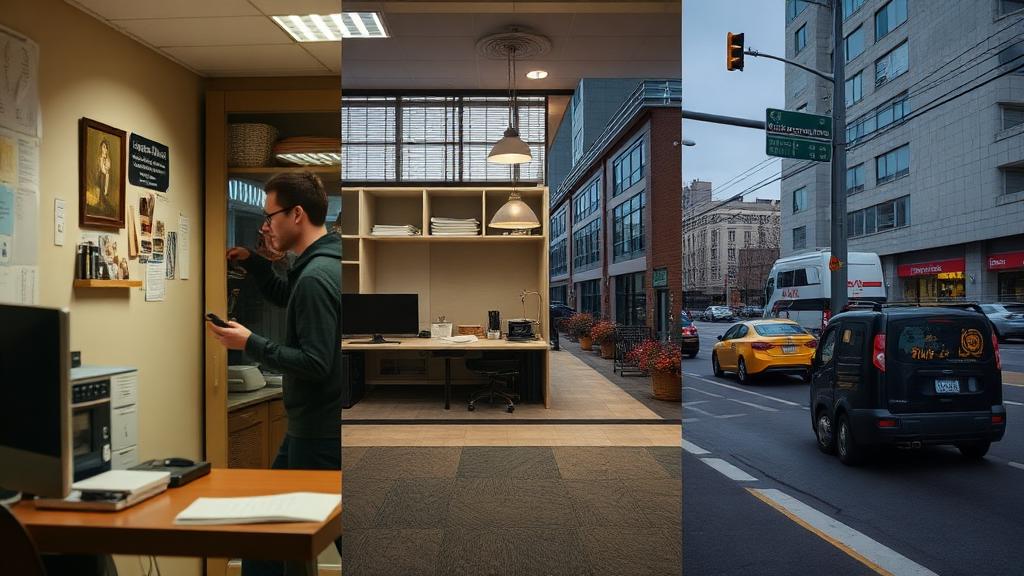
Your day starts louder than you think. A smartphone alarm blasts 70–85 dB. Your shower produces 60–70 dB. A hairdryer adds 80–90 dB. The coffee grinder: 75–85 dB.
By the time you leave, you've had significant noise exposure already.
This might be louder than you think…
The Commute: Hidden Exposure
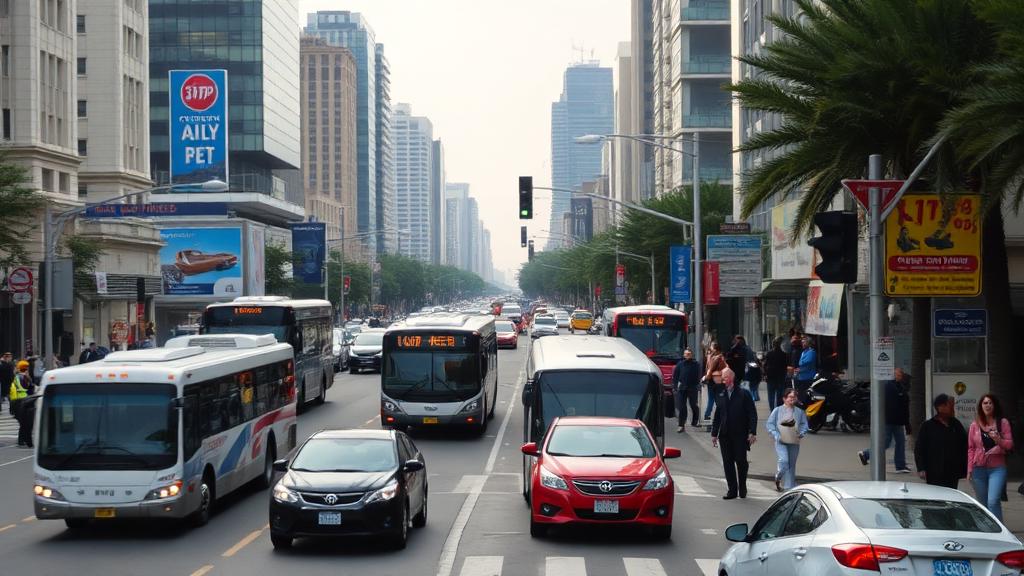
Driving with windows up: 65–75 dB. Windows down on highway: 80–90 dB. Public transit: 75–90 dB on buses, 85–100 dB on subway platforms.
Many people turn up headphone volume, adding another 85–100 dB source directly to their ears.
Typical Sound Levels
Here's where it becomes dangerous…
The Lombard effect makes people unconsciously raise their voice by 3-6 dB for every 10 dB of background noise.
Measure Your Environment
Use Snap Decibel Meter to estimate the sound level around you right now.
Open Noise MeterAt Work: The Background You Ignore
A private office: 35–45 dB. Open-plan offices: 50–65 dB. Coffee shops: 65–75 dB at peak hours.
Industrial workplaces often exceed 85 dB continuously — the threshold where hearing protection is required.
Evening: Leisure and Recovery
TV at comfortable volume: 55–70 dB. Busy restaurant: 70–80 dB. Gym workout: 80–100 dB with loud music.
Aim for a few hours below 60 dB before sleep. Your bedroom should be below 35 dB.
Your Daily Noise Budget
NIOSH recommends no more than 8 hours at 85 dB. Every 3 dB increase halves safe time. Track your exposure with Snap Decibel Meter throughout a typical day.

Now that you know the real level, test your own environment.
Frequently Asked Questions
What is a normal room noise level?
30–40 dB when quiet. With appliances: 40–50 dB. With conversation: 55–65 dB.
How loud is everyday traffic?
70–85 dB on a busy street. Inside a car: 65–75 dB. A honking horn: 100–110 dB.
What everyday sounds are dangerous?
Concerts (100–115 dB), power tools (85–110 dB), lawnmowers (85–95 dB), and subway arrivals (90–100 dB).
Explore More
Related Noise Guides
The Complete Guide to Noise Levels and Decibels
The definitive resource covering everything about noise levels, decibels, safe sound exposure, and how to measure environmental noise — from whispers to jet engines.
25 min readSafe Sound LevelsWhat Noise Level Is Safe for Humans?
Understand recommended noise exposure limits and how long you can safely be exposed to different sound levels without risking hearing damage.
8 min readTraffic & City NoiseHow Loud Is Traffic Noise?
Explore typical traffic noise levels and understand how road noise affects your environment, health, and quality of life.
9 min readNoise BasicsWhat Is a Dangerous Noise Level? (dB Explained Simply)
Any sound above 85 dB is considered dangerous with prolonged exposure. Learn what makes noise dangerous, with real-world examples and practical protection tips.
8 min readCompare With Other Sounds
See how this noise level compares to other everyday sounds.


Test Your Environment
Use Snap Decibel Meter to measure sound levels around you — free, private, and instant.
Start Noise Measurement