Typical Noise Levels in Everyday Life
A comprehensive guide to common sound levels you encounter daily, from whispers to concerts, with practical decibel comparisons.
Reviewed by our team against authoritative public-health sources. See our editorial standards.

Quick Answer
Common everyday sounds range from 10 dB (breathing) to 110+ dB (concerts). Normal conversation is about 60 dB, busy traffic reaches 80 dB, and a lawn mower produces 85 dB. Sounds above 85 dB require hearing protection with extended exposure.
📊 Similar in loudness to normal conversation or a busy restaurant.
Prolonged exposure above 85 dB can damage hearing.
At a glance
- Typical range
- 10 dB
- Safety tier
- Dangerous
- Safe exposure
- All-day OK
- Audible at
- ~a few feet
Louder than most household noise, quieter than a whisper (20 dB).
Very Quiet to Quiet (0–50 dB)
Very quiet environments (0–30 dB) include near-silence situations: breathing (10 dB), rustling leaves in a gentle breeze (20 dB), and whispering (30 dB). These levels are barely perceptible and pose absolutely no hearing risk. A quiet rural area at night or an empty recording studio might register in this range.
Quiet environments (30–50 dB) encompass most comfortable indoor settings: a well-insulated library (35 dB), a quiet home with no appliances running (40 dB), light rainfall on a window (45 dB), a quiet suburban neighborhood during daytime (45 dB), and a refrigerator hum (40 dB). These are comfortable, low-stress sound levels that most people find relaxing and conducive to concentration and sleep.
Most people are surprised by how loud this actually is…
Noise Level: Typical Noise Levels in Everyday Life
Classification
Safe
Safe Exposure
No time limit
Moderate Environments (50–70 dB)
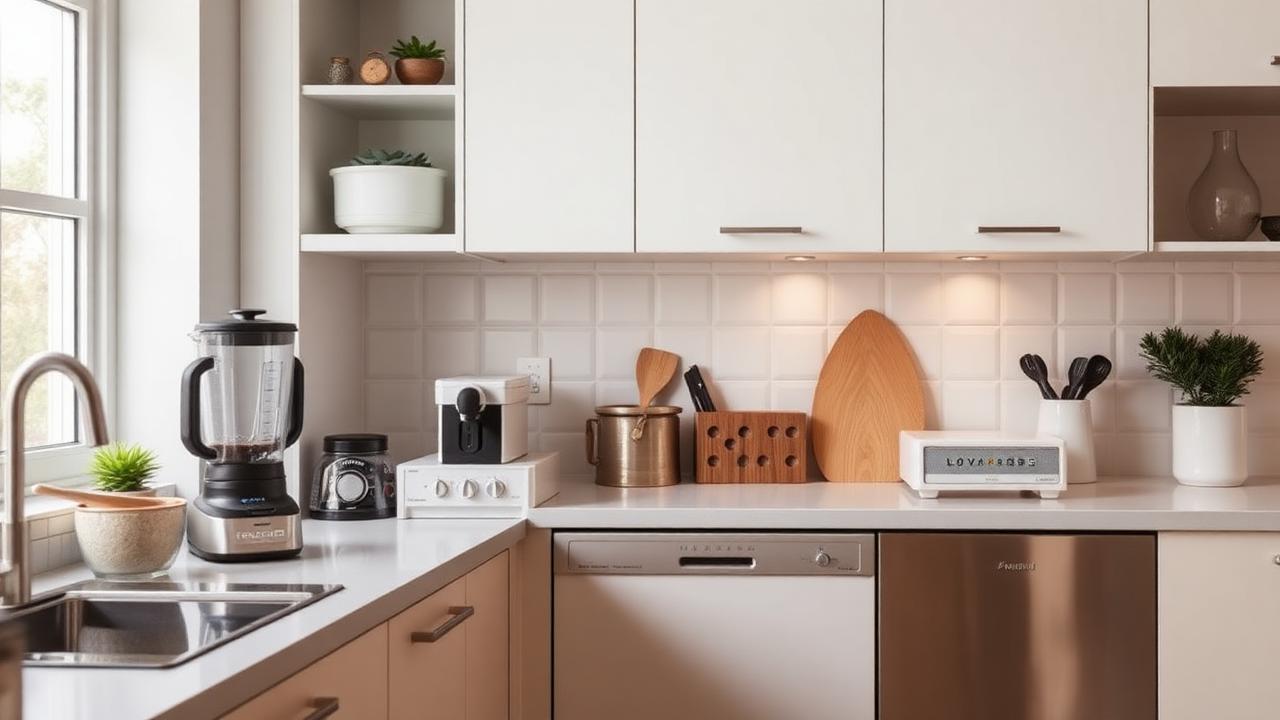
Moderate environments represent the acoustic middle ground of daily life. A quiet office (50–55 dB), normal conversation at 1 meter (55–65 dB), a running shower (60–65 dB), a washing machine (65 dB), TV at normal volume (60 dB), and a busy restaurant (65–70 dB) all fall in this range.
These levels are generally safe for extended exposure and represent the normal background of active daily life. However, sustained exposure to the upper end (65–70 dB) over many hours can contribute to fatigue and stress, even though it doesn't directly threaten hearing. Open-plan offices, in particular, can cause productivity issues at 60–70 dB due to speech distraction.
Typical Sound Levels
Beyond this level, your hearing cells don't recover…
A 10 dB increase sounds roughly twice as loud to human ears, even though the actual sound energy increases tenfold.
Measure Your Environment
Use Snap Decibel Meter to estimate the sound level around you right now.
Open Noise MeterLoud Environments (70–90 dB)
Loud environments demand attention and may require hearing protection at the upper end. A vacuum cleaner (70–80 dB), busy traffic from the sidewalk (75–85 dB), a lawn mower (85 dB), and a motorcycle passing (85–95 dB) all fall in this range. The critical threshold of 85 dB — where hearing damage begins with prolonged exposure — falls within everyday reach.
If you regularly mow the lawn, use a blender, commute on a noisy subway, or work near traffic, you're routinely exposed to noise levels that can contribute to long-term hearing effects. Simple awareness and occasional use of hearing protection can significantly reduce your risk.
Very Loud to Dangerous (90+ dB)
Very loud environments (90–110 dB) include power tools (95 dB), nightclubs (95–105 dB), live concerts (100–115 dB), car horns (110 dB), and sporting events (100–110 dB). Risk of hearing damage increases significantly and exposure time should be limited strictly.
Extremely loud environments (110+ dB) include rock concerts near speakers (115 dB), emergency sirens (120 dB), jet takeoff at close range (130 dB), and fireworks (140–150 dB). Immediate hearing damage is possible. Always use hearing protection in these environments. For a complete understanding of the decibel scale, see our complete guide to noise levels.
Common Noise Level Examples
Here is a quick reference of common everyday sounds and their typical decibel levels. Each links to a detailed guide where you can learn more about that specific noise source, how loud it really is, and whether it poses a hearing risk.
- Vacuum Cleaner — 70–80 dB (see How Loud Is a Vacuum Cleaner?)
- Dog Bark — 80–90 dB (see How Loud Is a Dog Bark?)
- Motorcycle — 80–100 dB (see How Loud Is a Motorcycle?)
- Lawn Mower — 85–92 dB (see How Loud Is a Lawn Mower?)
- Leaf Blower — 90–115 dB (see How Loud Is a Leaf Blower?)
- Hair Dryer — 70–90 dB (see How Loud Is a Hair Dryer?)
- Dishwasher — 45–65 dB (see How Loud Is a Dishwasher?)
- Power Drill — 85–100 dB (see How Loud Is a Power Drill?)
- Thunder — 100–120 dB (see How Loud Is Thunder?)
- Helicopter — 85–105 dB (see How Loud Is a Helicopter?)
- Baby Cry — 80–110 dB (see How Loud Is a Baby Cry?)
- Subway Train — 80–100 dB (see How Loud Is a Subway Train?)
- Gunshot — 140–170 dB (see How Loud Is a Gunshot?)
- School Classroom — 50–75 dB (see How Loud Is a School Classroom?)
- Road Traffic — 70–85 dB (see How Loud Is Traffic Noise?)

Now that you know the real level, test your own environment.
Typical Noise Levels in Everyday Life Noise: The Complete Breakdown
Decibel addition is non-intuitive: two identical typical noise levels in everyday life sources running simultaneously don't produce 20 dB — they produce 13 dB. Ten identical sources produce 20 dB. This logarithmic addition means you need 10× the number of sources to double the perceived loudness, which is why a chorus of typical noise levels in everyday life sounds isn't as catastrophically loud as simple arithmetic might suggest.
Sounds at 10 dB are typically described as "noticeable but not intrusive." For reference, a quiet residential street at night registers about 30–40 dB. At 10 dB, typical noise levels in everyday life is audible but won't interfere with daily activities, phone calls, or focus work for most people.
Reverberation time (RT60) — the time for sound to decay by 60 dB after the source stops — determines how typical noise levels in everyday life noise "lingers" in a space. A bathroom (RT60 ~1.5 seconds) makes typical noise levels in everyday life sound louder and more persistent than a carpeted living room (RT60 ~0.4 seconds), even though the source output is identical.
The Physics of Sound at 10 dB
Sound at 10 dB represents a specific amount of acoustic energy propagating through air as longitudinal pressure waves. The sound pressure at this level is approximately 0.0001 pascals (Pa) — a tiny fraction of atmospheric pressure (101,325 Pa), yet sufficient for the human auditory system to detect and process.
The speed of sound in air (approximately 343 m/s at 20°C) means that typical noise levels in everyday life noise at 10 dB reaches a listener 10 meters away in about 29 milliseconds. Temperature affects propagation speed — warmer air transmits sound faster, and temperature gradients can bend sound waves upward or downward, changing the effective distance at which typical noise levels in everyday life is audible.
The energy carried by typical noise levels in everyday life at 10 dB translates to a sound intensity of approximately 1.0e-11 watts per square meter. For perspective, all the acoustic energy produced by a large orchestra playing at full volume barely equals the electrical energy consumed by a single 60-watt light bulb — sound is an extraordinarily inefficient form of energy transfer.
Sound Comparison: Typical Noise Levels in Everyday Life on the Decibel Scale
The closest everyday comparison to typical noise levels in everyday life at 10 dB is normal breathing, which registers at 10 dB. Both sounds occupy the same energy band and present similar exposure considerations, though their frequency profiles and duration patterns create distinct listening experiences.
The decibel scale is logarithmic — each 10 dB increase represents a tenfold jump in sound energy and roughly a doubling of perceived loudness. At 10 dB, typical noise levels in everyday life carries 10× more acoustic energy than the threshold of hearing (0 dB), placing it in a well-characterized region of the audible spectrum.
How Your Brain Processes Sound at 10 dB
The auditory cortex processes typical noise levels in everyday life sound through a sophisticated neural pipeline. The cochlea first decomposes the sound into frequency components (tonotopic mapping), the brainstem extracts timing and level differences between ears (enabling localization), and the cortex integrates these signals with memory and context to produce conscious perception — all within 50–100 milliseconds.
Loudness perception at 10 dB follows Stevens' power law rather than a simple linear relationship. Perceived loudness grows as the 0.6 power of sound intensity — meaning a 10 dB increase (10× energy) sounds roughly 2× louder, not 10× louder. This compression allows you to comfortably process the enormous dynamic range from a -30 dB whisper to a 50 dB shout.
Auditory adaptation means your perception of typical noise levels in everyday life at 10 dB changes over time. After 1–2 minutes of sustained exposure, the brain's gain control circuits reduce sensitivity, making the sound seem 3–5 dB quieter than the initial impression. This adaptation is protective in the short term but dangerous long-term — it masks the actual exposure level, leading people to underestimate risk.
Managing Typical Noise Levels in Everyday Life Noise in Your Environment
At 10 dB, typical noise levels in everyday life is well within safe levels and poses no hearing risk. The following tips focus on comfort optimization — creating the most pleasant acoustic environment rather than preventing health damage.
The most effective noise reduction combines source treatment, path interruption, and receiver protection — the "source-path-receiver" model used by acoustic engineers. For typical noise levels in everyday life at 10 dB, start at the source (can you reduce the noise output?), then address the path (can you add distance, barriers, or absorption?), and finally protect yourself (hearing protection, time limits).
- Measure typical noise levels in everyday life noise with a smartphone app to establish your actual exposure level
- Add soft furnishings (rugs, curtains, upholstered furniture) to absorb reflected typical noise levels in everyday life sound
- Close doors and seal gaps between rooms to reduce transmitted noise by 15–25 dB
- Wear NRR 20+ hearing protection if typical noise levels in everyday life exposure exceeds 85 dB
- Monitor cumulative daily exposure — multiple moderate sources compound over time
Measuring Typical Noise Levels in Everyday Life Noise: Methods and Tools
To measure typical noise levels in everyday life noise accurately, use a calibrated smartphone app (NIOSH SLM, Decibel X, or our own Snap Decibel Meter) or a dedicated Type 2 sound level meter. Position the device at 1 meter from the source, at the height where you'd normally hear it. Take readings over 30–60 seconds and note both average (Leq) and peak (Lmax) values.
When measuring quiet sounds like typical noise levels in everyday life, background noise is your biggest challenge. Ensure the environment is at least 10 dB quieter than the source — turn off other appliances, close windows, and measure during quiet hours. Consumer smartphone apps have a noise floor of about 30–35 dB, which limits their usefulness for very quiet sounds.
Typical Noise Levels in Everyday Life Noise and Your Health
At 10 dB, typical noise levels in everyday life presents no risk to your hearing or physical health. The human auditory system handles sounds below 70 dB comfortably and indefinitely. In fact, moderate ambient sound in the 40–60 dB range has been shown to improve creative thinking and reduce the stress associated with complete silence, which some people find unsettling or anxiety-inducing.
Understanding typical noise levels in everyday life noise at 10 dB builds the acoustic awareness that protects you in genuinely dangerous situations. People who understand the decibel scale recognize hazardous noise faster, seek protection sooner, and make better decisions about their sound environment — whether choosing a restaurant, buying a home, or operating power tools.
Measure Typical Noise Levels in Everyday Life Noise Yourself
Want to know exactly how loud typical noise levels in everyday life is in your environment? Use our free decibel meter to take a real-time reading, or check the complete decibel chart to see where 10 dB sits on the full scale. You can also compare sounds side by side or use the noise distance calculator to estimate levels at different distances.
🎯 Guess the Decibel Level
How loud do you think Typical Noise Levels in Everyday Life is? Drag the slider and find out!
Hearing Safety
Any sound above 85 dB can cause hearing damage with prolonged exposure. The louder the sound, the less time it takes to cause damage. Always protect your hearing in loud environments.
Frequently Asked Questions
What's the loudest everyday sound?
For most people, the loudest regular exposure comes from concerts, power tools, or commuting near heavy traffic. These can reach 90–110 dB.
Is 60 dB loud?
No, 60 dB is moderate — equivalent to a normal conversation. It's comfortable and safe for unlimited exposure.
How loud is a vacuum cleaner?
A typical vacuum cleaner produces 70–80 dB. While not immediately dangerous, prolonged use approaches levels where hearing awareness is prudent.
Explore More
Related Noise Guides
The Complete Guide to Noise Levels and Decibels
The definitive resource covering everything about noise levels, decibels, safe sound exposure, and how to measure environmental noise — from whispers to jet engines.
25 min readSafe Sound LevelsWhat Noise Level Is Safe for Humans?
Understand recommended noise exposure limits and how long you can safely be exposed to different sound levels without risking hearing damage.
8 min readTraffic & City NoiseHow Loud Is Traffic Noise?
Explore typical traffic noise levels and understand how road noise affects your environment, health, and quality of life.
9 min readMeasurement TipsHow Accurate Are Phone Noise Meters?
Find out how smartphone sound meter apps work, their accuracy compared to professional meters, and when they're practical for everyday use.
9 min readHow Does Typical Noise Levels in Everyday Life Compare?
Tap any sound to learn more about its noise level.
Compare With Other Sounds
See how this noise level compares to other everyday sounds.


Test Your Environment
Use Snap Decibel Meter to measure sound levels around you — free, private, and instant.
Start Noise Measurement