What Does 30 dB Sound Like? The Sound of Near-Silence
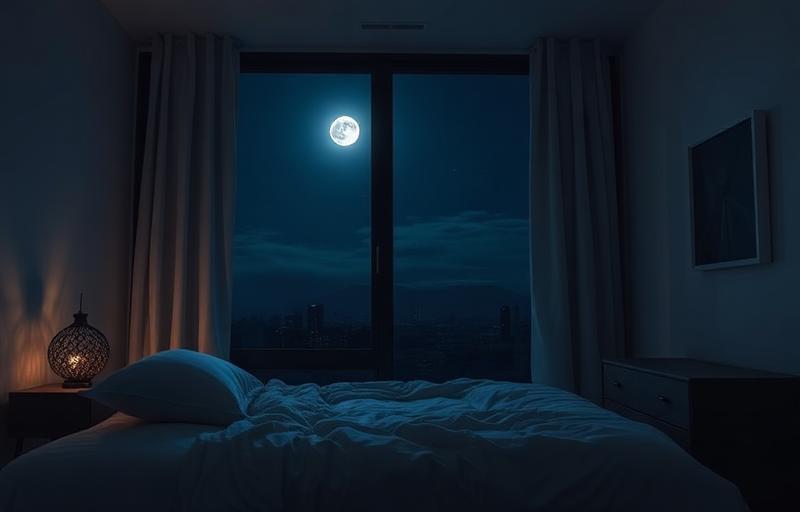
30 dB is whisper-quiet — the sound of a ticking clock, soft breathing, or rustling leaves. It's the ideal level for sleep.
Reviewed by our team against authoritative public-health sources. See our editorial standards.
Quick Answer
A decibel (dB) is a logarithmic unit used to measure sound intensity: an increase of 10 dB means ten times more sound energy.
30 dB sounds like near-silence — a soft whisper, a ticking clock, or the rustle of leaves. It's barely noticeable and represents the WHO's recommended maximum for healthy sleep environments.
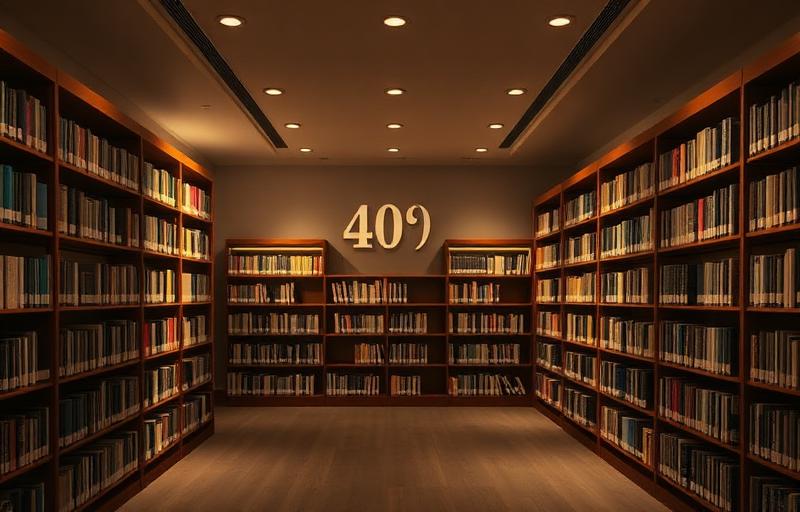
📊 Similar in loudness to a quiet library (about 30 dB).
At a glance
| Typical range | 30 dB |
|---|---|
| Safety tier | Safe |
| Safe exposure (NIOSH REL) | All-day OK |
Louder than a whisper at 5 feet (20 dB), quieter than a refrigerator humming (35 dB).
How these figures were determined: Values are based on published reference levels from NIOSH, OSHA, the WHO and the CDC, together with manufacturer specifications where available. Actual sound levels vary with distance, room acoustics, equipment condition and measurement method, and readings taken with a phone microphone are estimates rather than calibrated measurements.
Experiencing 30 Decibels
At 30 dB, sound is barely perceptible. You're aware of sounds but they don't demand your attention. The environment feels calm and peaceful — the kind of quiet you notice when you step into a well-insulated room.
Most people can hear sounds as quiet as 0–10 dB, so 30 dB is audible but very soft. For comparison, 30 dB is about 1,000 times more intense than 0 dB in terms of sound energy, but because of how our ears perceive logarithmic scales, it simply sounds 'quiet' rather than 'silent.'
You're probably exposed to this more often than you realize…
Noise Level: 30 dB
Classification
Safe
Safe Exposure
No time limit
Sounds at 30 dB
These everyday sounds measure approximately 30 dB. Notice how they share a common quality — they're present but never intrusive:
- A soft whisper at 1 meter
- Ticking of a quiet wall clock
- Gentle rustling of leaves
- Soft breathing of a sleeping person
- A very quiet rural area at night
- Background hum of a well-insulated room
Most noise-induced hearing loss happens gradually — without any pain…
A 10 dB increase sounds roughly twice as loud to human ears, even though the actual sound energy increases tenfold.
Measure Your Environment
Use Snap Decibel Meter to estimate the sound level around you right now.
Open Noise Meter30 dB and Sleep Quality
The WHO recommends nighttime noise levels below 30 dB for uninterrupted sleep. At this level, your brain doesn't register sounds as threats, allowing deep sleep cycles to complete.
Research shows that noise above 30 dB during sleep increases micro-awakenings, elevates cortisol, and reduces REM sleep quality — even if you don't fully wake up.
A 2019 study in Environmental Health Perspectives found that hospital patients in rooms at 30 dB slept 35% longer in deep sleep compared to those in rooms at 45 dB. Even a 15 dB difference significantly impacts recovery and rest quality.
30 dB in Audio & Recording
For audio professionals, 30 dB of ambient noise is considered moderately quiet. Whether this is acceptable depends entirely on what you're recording:
- Professional recording studios target 20–25 dB (NC-15 to NC-20)
- Home recording studios: 30–35 dB is workable for voice and podcasts
- Podcast recording: 30 dB background is acceptable with directional mics
- Music production: 30 dB may interfere with quiet passages and classical recordings
- ASMR content: requires below 25 dB for clean audio
How to Achieve 30 dB at Home
Getting your home environment to 30 dB requires attention to several noise sources that you may not consciously notice:
- Close all windows and exterior doors (reduces outdoor noise 15–25 dB)
- Turn off HVAC systems (they typically produce 40–55 dB)
- Use heavy curtains on windows (absorbs 5–10 dB)
- Add rugs to hard floors (reduces reflected sound)
- Unplug or move away from appliances with fans or compressors
- Use weatherstripping on interior doors to block hallway noise
Measuring 30 dB Environments
Measuring very quiet levels like 30 dB requires a sensitive microphone. Phone-based apps like Snap Decibel Meter can detect levels down to approximately 30–35 dB, though accuracy at very low levels depends on your phone's microphone quality.
For the most accurate low-level readings, take measurements at night when ambient noise is lowest, and hold your phone away from your body (clothing rustling adds 10–20 dB of noise that the microphone picks up).
Most people underestimate this sound — don't be one of them.
30 dB on the Decibel Scale
A reading of 30 dB tells you how much acoustic energy reaches the microphone, but not what produced it. The same level can come from a nearby quiet source or a distant loud one, so context matters as much as the number. Since decibels are logarithmic, adding 10 dB means ten times the sound energy and about twice the perceived loudness.
In practical terms, 30 dB is close to a quiet library, which sits at about 30 dB and is generally described as very quiet. That reference is a useful anchor: if you can picture how that sound feels in a room, you have a reasonable sense of what 30 dB means.
Levels in this region also depend heavily on distance. Sound spreads out as it travels, and in free-field conditions each doubling of distance from a point source removes roughly 6 dB. Indoors, reflections from hard walls, floors and windows work in the opposite direction and can add several decibels to the same source.
Published reference levels like these come from occupational and public-health sources — NIOSH, OSHA, the WHO and the CDC — measured with calibrated, A-weighted instruments. Readings you take with a phone are useful for comparing one environment with another, but they are relative estimates rather than calibrated measurements, so treat small differences with caution.
Putting 30 dB in Perspective
On the quieter side, a whisper at 5 feet registers about 20 dB — 10 dB below 30 dB. On the louder side, a refrigerator humming reaches roughly 35 dB, which is 5 dB above it. Because 10 dB is heard as about twice as loud, those gaps translate into clearly different listening experiences rather than minor variations.
Two sounds at the same measured level can still feel different. Frequency content, how steady the sound is, and how much you associate it with something unpleasant all shape perception. That is why 30 dB from a steady fan and 30 dB from an intermittent, high-pitched source rarely feel equally intrusive even though a meter reports the same number.
If you want to place 30 dB on the full scale, the decibel chart lists reference levels from near-silence up to immediate-damage territory, and the sound comparison tool lets you line up two sounds side by side.
Managing Noise Around 30 dB
At 30 dB, 30 db is well within safe levels and poses no hearing risk. The following tips focus on comfort optimization — creating the most pleasant acoustic environment rather than preventing health damage.
Simple environmental changes can reduce your effective exposure to 30 db noise. Closing a standard interior door reduces transmitted sound by 15–20 dB. Adding a rug to a hard floor absorbs 2–4 dB of reflected energy. Hanging heavy curtains adds 5–8 dB of high-frequency absorption. These modest steps compound to create meaningful noise reduction.
- Add soft furnishings (rugs, curtains, upholstered furniture) to absorb reflected 30 db sound
- Close doors and seal gaps between rooms to reduce transmitted noise by 15–25 dB
- Wear NRR 20+ hearing protection if 30 db exposure exceeds 85 dB
- Monitor cumulative daily exposure — multiple moderate sources compound over time
- Increase distance from 30 db when possible — every doubling cuts the level by 6 dB
Checking Whether Your Environment Reaches 30 dB
To check whether your environment reaches 30 dB, measure where you actually spend time rather than right at the source, keep the microphone clear of clothing and hands, and let the reading settle for at least 30 seconds so short bursts do not dominate. Note the average level as well as the loudest moments — they answer different questions.
Phone-based measurements have real limits. Microphones vary between models, browsers may apply automatic gain control or noise suppression, and there is no absolute calibration reference. Snap Decibel Meter is unweighted and ambient-referenced, so it is best used to compare environments and track changes rather than to certify an absolute figure. For compliance work, a Type 2 sound level meter is the appropriate instrument.
If you need levels at a different distance than you can safely measure, the noise distance calculator applies the inverse-square relationship for you, which is often more reliable than trying to measure close to a loud source.
Living With Noise Around 30 dB
Levels around 30 dB are not associated with hearing damage at any realistic duration, but they still affect people. The WHO links sustained night-time noise well below hearing-risk levels to disturbed sleep, and continuous background noise in this region is a common cause of reduced concentration in offices and classrooms.
For sleeping rooms the WHO guideline is around 30 dB of continuous indoor noise, which is considerably quieter than most urban bedrooms. If your measurements sit above that, soft furnishings, heavier curtains and sealing gaps around windows and doors usually help more than any single device change.
Check Whether Your Environment Reaches 30 dB
Want to know whether your own environment reaches 30 dB? Use our free decibel meter to take a real-time reading, or check the complete decibel chart to see where 30 dB sits on the full scale. You can also compare sounds side by side or use the noise distance calculator to estimate levels at different distances.
🎯 Guess the Decibel Level
How loud do you think 30 dB is? Drag the slider and find out!
Frequently Asked Questions
Is 30 dB completely silent?
No. Complete silence would be 0 dB. 30 dB is very quiet but still perceptible — like a whisper or ticking clock.
Is 30 dB loud enough to wake someone?
Generally no. 30 dB is the WHO's recommended max for sleep. Most people sleep through sounds at this level.
What's quieter than 30 dB?
Breathing (10 dB), rustling leaves (20 dB), and a very quiet room (25 dB) are all quieter.
Explore More
Related Noise Guides
What Does 40 dB Sound Like? A Calm, Quiet World
40 dB is the sound of a quiet library, gentle humming, or a peaceful garden. Barely there, perfectly safe, and ideal for focus.
5 min readHearing SafetyWhat Are Safe Decibel Levels? The Complete Safety Guide
Below 70 dB is safe forever. Below 85 dB is safe for 8 hours. Above that, the clock starts. Here's the complete guide to safe noise levels.
6 min readHuman SoundsHow Loud Is a Whisper in Decibels?
A whisper registers 20–30 dB — among the quietest sounds the human ear can detect. Here's what that means in real-world terms.
4 min readDecibel QuestionsIs 40 dB Loud? Understanding Quiet Sound Levels
40 dB is a quiet, comfortable sound level — similar to a library, light rainfall, or a quiet residential area at night.
4 min readHow Does 30 dB Compare?
Tap any sound to learn more about its noise level.
| Sound level | Sound | Vs. 30 dB | Risk |
|---|---|---|---|
| 30 dB | 30 dB (this page) | — | Safe |
| 10 dB | Typical Noise Levels in Everyday Life | −20 dB quieter | Safe |
| 15 dB | How to Measure Environmental Noise Outdoors | −15 dB quieter | Safe |
| 30 dB | Can Your Phone Measure Decibels | same level | Safe |
| 40 dB | What Noise Level Is Too Loud for Sleep | +10 dB louder | Safe |
| 45 dB | Printer | +15 dB louder | Safe |
| 48 dB | Dishwasher | +18 dB louder | Safe |
Compare With Other Sounds
See how this noise level compares to other everyday sounds.

Test Your Environment
Use Snap Decibel Meter to measure sound levels around you — free, private, and instant.
Start Noise Measurement