What Does 120 dB Sound Like? The Pain Threshold
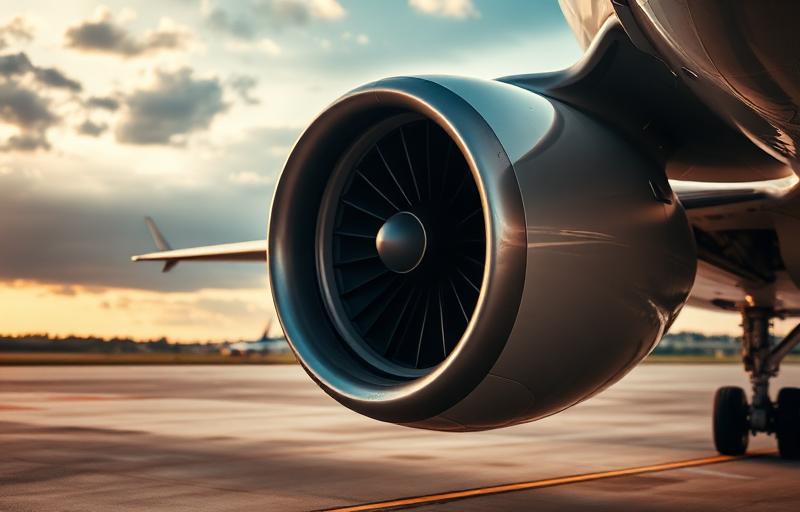
120 dB is the pain threshold — it physically hurts your ears. Think jet engine, emergency siren at close range, or a thunderclap directly overhead.
Reviewed by our team against authoritative public-health sources. See our editorial standards.
Quick Answer
120 dB is the threshold of pain — it causes immediate physical discomfort in your ears. It sounds like standing near a jet engine, an emergency siren at close range, or a massive thunderclap. Permanent hearing damage can occur in seconds.
Prolonged exposure above 85 dB can damage hearing.
The Pain Threshold
120 dB is where sound transitions from merely loud to physically painful. Your ear's protective reflex (the stapedius muscle contracting) activates, but it can't fully protect you at this level.
The intensity at 120 dB is over 1 trillion times the threshold of hearing — an astronomical amount of sound energy hitting your eardrums. At this level, sound pressure is roughly 20 pascals, enough to physically deform delicate structures in your inner ear.
You're probably exposed to this more often than you realize…
What Produces 120 dB?
These sources reach 120 dB. Notably, many are things ordinary people encounter in everyday life — not just industrial workers:
- Jet engine at 30 meters
- Emergency ambulance siren at close range
- Thunder directly overhead
- Car stereo at maximum in enclosed car
- Vuvuzela horn at close range
- Firecrackers at 1 meter
- Rock concert at peak (front row)
Typical Sound Levels
Most noise-induced hearing loss happens gradually — without any pain…
Your ears never turn off — even during sleep, your auditory system processes sounds and can trigger stress responses.
Measure Your Environment
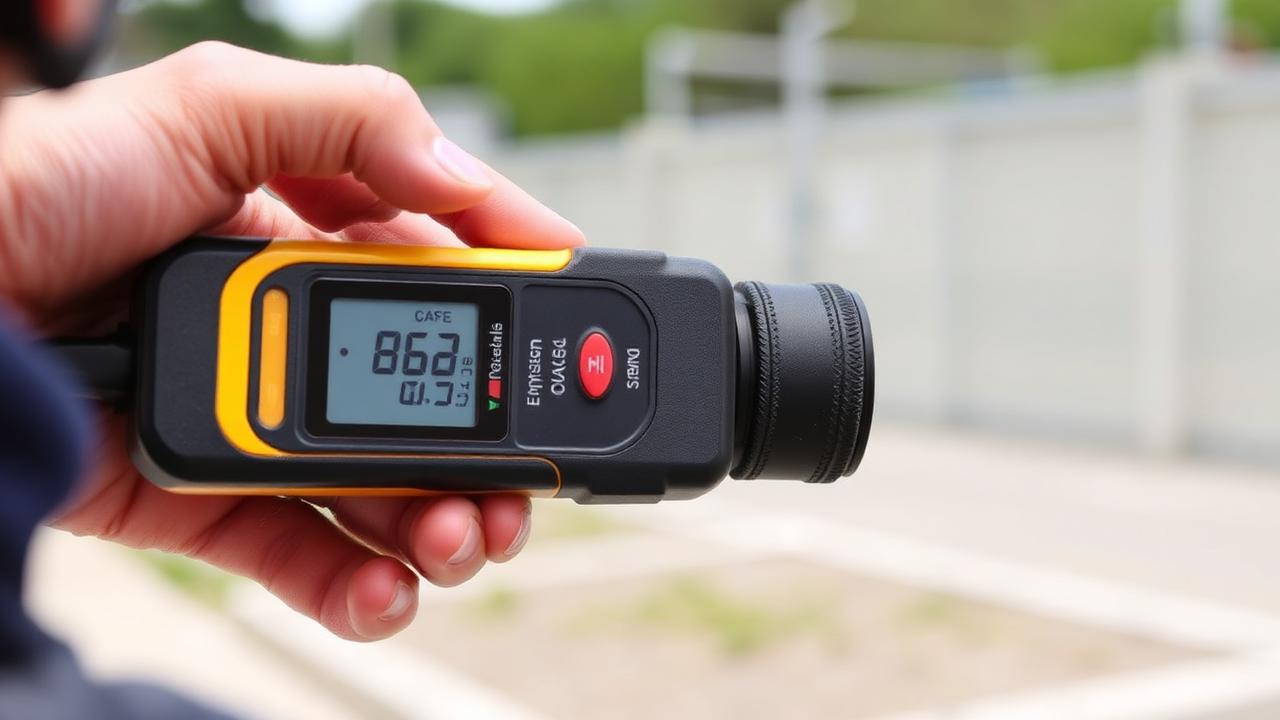
Use Snap Decibel Meter to estimate the sound level around you right now.
Open Noise MeterInstant Damage Risk
At 120 dB, the safe exposure time is measured in seconds, not minutes. This makes every moment of unprotected exposure significant:
- NIOSH: approximately 9 seconds of safe exposure
- After 30 seconds: temporary hearing loss virtually guaranteed
- Single exposure: can cause permanent tinnitus
- Repeated exposure: irreversible hearing loss
- Physical pain serves as your body's last warning
How 120 dB Affects Your Body
At 120 dB, the effects extend beyond hearing. The sound pressure is strong enough to cause physical sensations throughout your body:
Your chest vibrates. Your sinuses resonate. Nausea is common. Some people experience disorientation or vertigo because the vestibular system (balance organs) shares space with the cochlea in the inner ear, and intense sound disrupts both.
Emergency workers, airport ground crew, and military personnel regularly face 120+ dB and are required to wear hearing protection at all times. Despite this, occupational hearing loss remains one of the most common workplace injuries in these fields.
120 dB in Perspective
To understand how extreme 120 dB is:
- Normal conversation (60 dB): 120 dB is 64 times louder
- Vacuum cleaner (70 dB): 120 dB is 32 times louder
- Power tools (100 dB): 120 dB is 4 times louder
- Perceived loudness roughly doubles every 10 dB
- 120 dB delivers 1 billion times more energy than 30 dB (a whisper)
Protection Is Critical
If you must be near 120 dB sources, maximum protection is required. No single consumer hearing protection device fully protects at this level:
- Double protection: earplugs + over-ear muffs (30–40 dB reduction)
- Maintain maximum distance from the source
- Limit exposure to absolute minimum time
- If you feel pain, leave immediately — your body is warning you of damage
- Industrial-grade protection with NRR 33+ earmuffs is the minimum standard
Most people underestimate this sound — don't be one of them.
Hearing Safety
120 dB causes physical pain and can permanently damage hearing in seconds. Never expose yourself to 120 dB without maximum hearing protection.
Frequently Asked Questions
Can 120 dB kill you?
Not directly, but sustained exposure above 150 dB can cause physical damage to organs. 120 dB will cause permanent hearing damage quickly.
How long can you be at 120 dB safely?
About 9 seconds according to NIOSH. After that, permanent damage becomes likely.
What's louder than 120 dB?
A jet takeoff at close range (140 dB), a shotgun blast (150 dB), and a rocket launch (180 dB).
Explore More
Related Noise Guides
How Loud Is a Gunshot? — Decibel Levels by Firearm Type
Gunshots produce 140–175 dB — among the loudest sounds a person can encounter. Hearing damage is instant without protection.
7 min readDecibel QuestionsWhat Does 110 dB Sound Like? The Edge of Pain
110 dB is the roar of a rock concert front row or a chainsaw at close range. It can damage hearing in under 2 minutes. Here's the reality.
5 min readHearing SafetyIs 120 dB Dangerous? The Pain Threshold Explained
120 dB is the threshold of pain. Even a few seconds can cause permanent hearing damage. Sirens, jet engines, and gunshots reach this territory.
5 min readTransportation NoiseHow Loud Is an Airplane Takeoff? Decibels by Distance
Jet takeoff produces 140+ dB at the runway — one of the loudest regular events on Earth. Here's how it scales with distance.
5 min readCompare With Other Sounds
See how this noise level compares to other everyday sounds.

Test Your Environment
Use Snap Decibel Meter to measure sound levels around you — free, private, and instant.
Start Noise Measurement